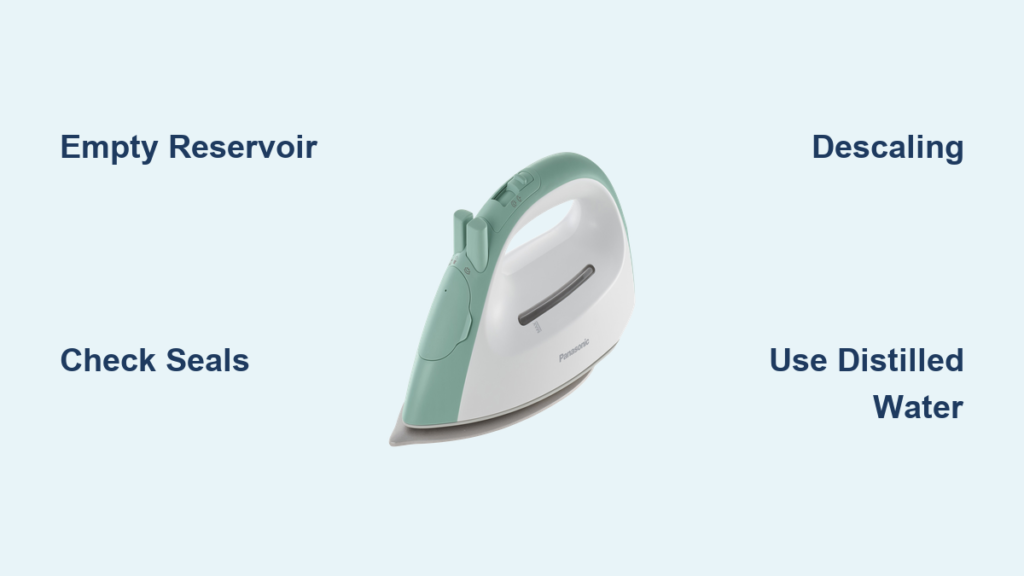
Water leakage in cordless Panasonic irons is a frustrating problem that many users encounter during garment care. If your Panasonic cordless iron suddenly starts dripping water when it shouldn’t, you’re not alone—this common issue affects numerous households seeking crisp, professional results from their ironing sessions. Unlike traditional steam irons, cordless models present unique challenges when leaks develop due to their specialized water reservoir and heating systems. Understanding why your specific Panasonic model might be leaking and how to address it properly can save you time, money, and potentially prevent damage to your clothing or iron.
Before attempting any repairs, it’s crucial to recognize that working with electrical appliances requires caution. Steam irons combine water and electricity in close proximity, creating potential safety hazards if mishandled. Panasonic designs their cordless irons with multiple safety features, but improper repair attempts can bypass these protections. This guide focuses on safe, manufacturer-aligned approaches to identify and resolve water leakage issues while emphasizing when professional service becomes necessary for your specific iron model.
Identifying Your Specific Panasonic Iron Model
Locating Critical Model Information
The first essential step is identifying your exact Panasonic iron model. Different cordless models (such as the NI-WL650, NI-WS900, or NI-A60HS series) have distinct water systems with unique potential failure points. Check the bottom plate of your iron where the model number appears as a combination of letters and numbers—this information determines which repair procedures apply to your specific unit. Without knowing your precise model, you risk applying incorrect solutions that might worsen the leakage problem or create electrical hazards.
Common Cordless Models Prone to Leakage Issues
Panasonic’s cordless steam generator irons, particularly those from the past five years, occasionally develop water leakage problems as they age. Models with separate water tanks (like the NI-WL series) often experience seal failures, while all-in-one cordless units (such as the NI-A series) typically encounter issues with the steam valve assembly. Recognizing which category your iron falls into helps narrow potential causes and appropriate solutions for the water dripping from unexpected places during use.
Immediate Actions When Your Iron Starts Leaking
Safely Powering Down and Emptying Water
When you notice unexpected water leakage, immediately unplug your iron and set it upright on its heel rest—never lay a leaking iron flat as this can force water into electrical components. Allow the unit to cool completely before handling, as hot water and steam can cause serious burns. Once cooled, carefully empty any remaining water from the reservoir following Panasonic’s recommended procedure for your specific model. This prevents further leakage during diagnosis and reduces the risk of electrical shorts.
Initial Visual Inspection Protocol
With the iron completely cool and empty, perform a thorough visual examination of all water-related components. Check the water tank seal for cracks or deformities, inspect the steam vents for mineral buildup, and examine the soleplate for any visible damage. Pay special attention to areas where water is actually leaking from—this observation provides critical clues about whether the issue involves the water tank, steam valve, or internal tubing. Document what you see with notes or photos to help determine the next appropriate steps.
Diagnosing the Root Cause of Water Leakage

Is It Normal Steam Condensation or Actual Leakage?
Not all water appearing during ironing indicates a problem. Many users mistake normal steam condensation for leakage, especially when using lower temperature settings. True leakage occurs when water drips from the iron when it’s not actively steaming or when excessive water flows from the soleplate during steam function. To test, run your iron at maximum temperature without steam for several minutes, then activate steam—any dripping before reaching proper operating temperature likely indicates an actual problem requiring attention.
Temperature Settings Impact on Water Flow
Incorrect temperature settings frequently cause what appears to be leakage. Panasonic cordless irons require sufficient heat to properly vaporize water into steam. If you’re using low-temperature settings with the steam function engaged, water won’t fully convert to steam and will instead drip from the soleplate. Verify you’re using appropriate heat settings for your fabric type—cotton and linen typically require higher temperatures for proper steam generation compared to delicate fabrics.
Safe Troubleshooting Procedures for Common Issues
Descaling Your Iron to Remove Mineral Buildup
Mineral deposits from hard water commonly cause steam channel blockages that lead to improper water flow and leakage. For safe descaling:
1. Mix equal parts white vinegar and distilled water
2. Fill the reservoir no more than halfway
3. Heat iron to maximum temperature
4. Hold over sink and activate steam function for 30 seconds
5. Allow to cool, then empty and rinse thoroughly with clean water
6. Repeat with plain distilled water to remove vinegar residue
Perform this process monthly if you have hard water to prevent recurring issues. Never use chemical descalers unless specifically approved by Panasonic for your model.
Checking and Replacing Faulty Seals and Gaskets

Worn seals around the water reservoir represent another common leakage source. With the iron completely cool and unplugged:
1. Remove the water tank according to your model’s instructions
2. Inspect the rubber gasket for cracks, hardening, or deformation
3. Clean the seal groove thoroughly with a soft cloth
4. Apply minimal food-grade silicone lubricant to new replacement seals
5. Install new seal if damaged, ensuring proper alignment
Use only genuine Panasonic replacement parts designed for your specific model—aftermarket seals often fail prematurely due to incorrect dimensions or material composition.
When to Seek Professional Repair Services
Recognizing Beyond-DIY Repair Situations
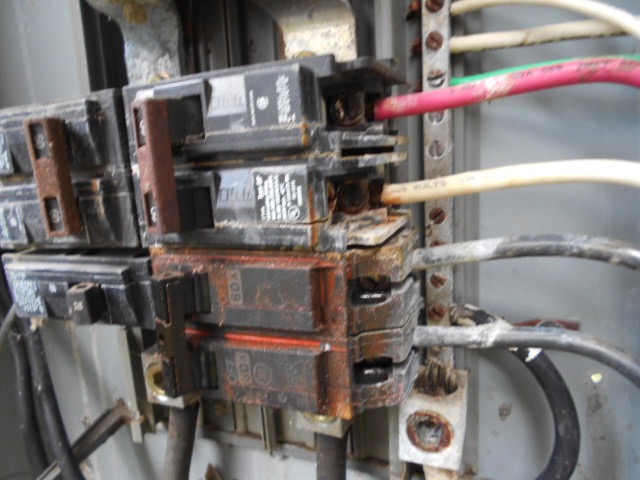
Certain leakage scenarios require professional attention rather than home repair attempts. If you notice water leaking near electrical components, experience inconsistent heating alongside water issues, or detect burning smells during operation, stop using the iron immediately. Internal electrical components compromised by water exposure create serious shock hazards that shouldn’t be addressed without proper training and equipment. Panasonic-certified technicians have specialized tools to safely diagnose and repair these complex issues while maintaining the iron’s safety certifications.
Locating Authorized Panasonic Service Centers
For models still under warranty or complex leakage problems, contact Panasonic’s official support channel to locate authorized service centers in your area. Provide your exact model number and a detailed description of the leakage issue to ensure they’re prepared with appropriate parts. While third-party repair shops might offer lower prices, they often lack access to genuine Panasonic components and may void any remaining warranty coverage on your cordless iron.
Preventative Maintenance to Avoid Future Leakage
Proper Water Selection and Usage Practices
Using distilled or demineralized water significantly reduces mineral buildup that leads to steam channel blockages and leakage. Tap water contains minerals that accumulate over time, especially in cordless models with compact water systems. Never fill beyond the maximum indicated level, as overfilling creates pressure issues that force water through seals. Additionally, always empty remaining water after each use rather than storing the iron with water inside—this simple habit prevents seal deterioration and mineral deposit formation.
Correct Storage Techniques for Longevity
Store your cordless Panasonic iron upright with the soleplate resting on its heel stand in a dry location. Avoid wrapping the power cord tightly around the iron, as this can stress internal components over time. For extended storage periods (more than two weeks), completely empty the water system and allow the iron to air dry thoroughly before storing. These practices maintain seal integrity and prevent the slow deterioration that eventually leads to water leakage problems.
Final Note: Water leakage in cordless Panasonic irons typically stems from preventable issues like mineral buildup, worn seals, or improper usage rather than catastrophic failures. By following these safety-conscious diagnostic steps and maintenance practices specific to your model, you can often resolve minor leakage problems while extending your iron’s lifespan. Remember that when in doubt about electrical components or persistent leakage issues, professional service represents the safest, most reliable solution for restoring proper function to your cordless Panasonic iron. Regular preventative care remains your best defense against future water leakage problems.