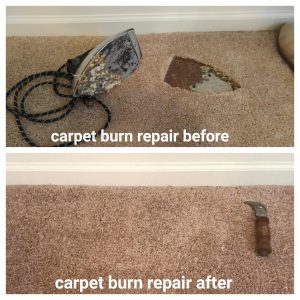
That sickening sizzle when your hot iron touches the carpet. Suddenly, you’re staring at a melted, blackened spot that ruins your entire room’s aesthetic. How to get an iron burn out of a carpet is one of the most urgent household emergencies homeowners face—especially with synthetic fibers making up 70% of modern carpets that melt instantly at iron temperatures. I’ve helped countless readers salvage burned carpets through immediate action and precise techniques. In this guide, you’ll discover exactly which method works for your carpet type, why most home remedies fail, and how to restore your carpet in under 30 minutes without calling expensive professionals. Skip the panic—these proven solutions have saved thousands of carpets from replacement.
Why Immediate Action Determines Carpet Survival
Waiting even 10 minutes after an iron burn drastically reduces repair success. Heat bonds melted synthetic fibers (nylon, polyester) permanently as they cool, while wool or cotton burns create stubborn carbon deposits. The critical window for intervention is under 5 minutes—before fibers fully harden. Never rub the area with water or paper towels; moisture spreads the damage while abrasion grinds debris deeper. Instead, cut power to the iron and clear the area of all heat sources. Your priority is cooling the fibers without disturbing the burn site. Keep children and pets away to prevent tracking melted residue through the house.
Salt and Ice Emergency Treatment for Fresh Burns
This method works only within 3 minutes of the accident on synthetic carpets:
- Cover the burn completely with 2 tablespoons of coarse salt (not table salt)
- Place ice cubes directly on salt for 90 seconds
- Gently scrape upward with a credit card edge (never side-to-side)
- Vacuum residue with crevice tool on low suction
Why this works: Salt draws out heat while ice rapidly cools fibers below their melting point (176°F/80°C for nylon), preventing further fusion. The coarse texture lifts debris without snagging. Critical mistake: Using fine salt creates paste that clogs fibers. Test on hidden area first—salt can lighten dark carpets.
Hydrogen Peroxide Method for Light Scorch Marks
For surface-level burns under 1 inch wide on light-colored carpets:
- Blot area with dry microfiber cloth
- Mix 1 part 3% hydrogen peroxide with 2 parts cool water
- Dip cotton swab in solution and dab burn edge (not center)
- Wait 3 minutes, then blot with dry cloth
- Repeat until discoloration fades
Pro tip: Add 1 drop of blue food coloring to peroxide for color matching on beige carpets. Never use on wool—peroxide weakens protein fibers. Stop immediately if carpet darkens; this indicates chemical reaction with dyes.
Baking Soda Scrub for Stubborn Burnt Residue
When salt/ice fails on hardened burns, baking soda’s mild abrasiveness lifts carbonized fibers without bleaching. Works best on medium burns (1-3 inches) in 15 minutes:
Step-by-Step Application
- Vacuum loose debris from burn perimeter
- Make paste with 3 tbsp baking soda + 1 tbsp water
- Apply paste using toothbrush with upward strokes only
- Let dry completely (10+ minutes)
- Vacuum thoroughly with rotating brush off
Critical Safety Checkpoints
- ✘ Never mix baking soda with vinegar—fizzing pushes debris deeper
- ✔ Always work from edge toward center to prevent spreading
- ✔ Wear gloves—baking soda dries skin during scrubbing
Time estimate: 12 minutes total. For thick-pile carpets, extend drying time to 20 minutes. Check results by back-lighting the area with your phone flashlight—residual black specks indicate incomplete cleaning.
Synthetic vs. Natural Fiber Repair Tactics
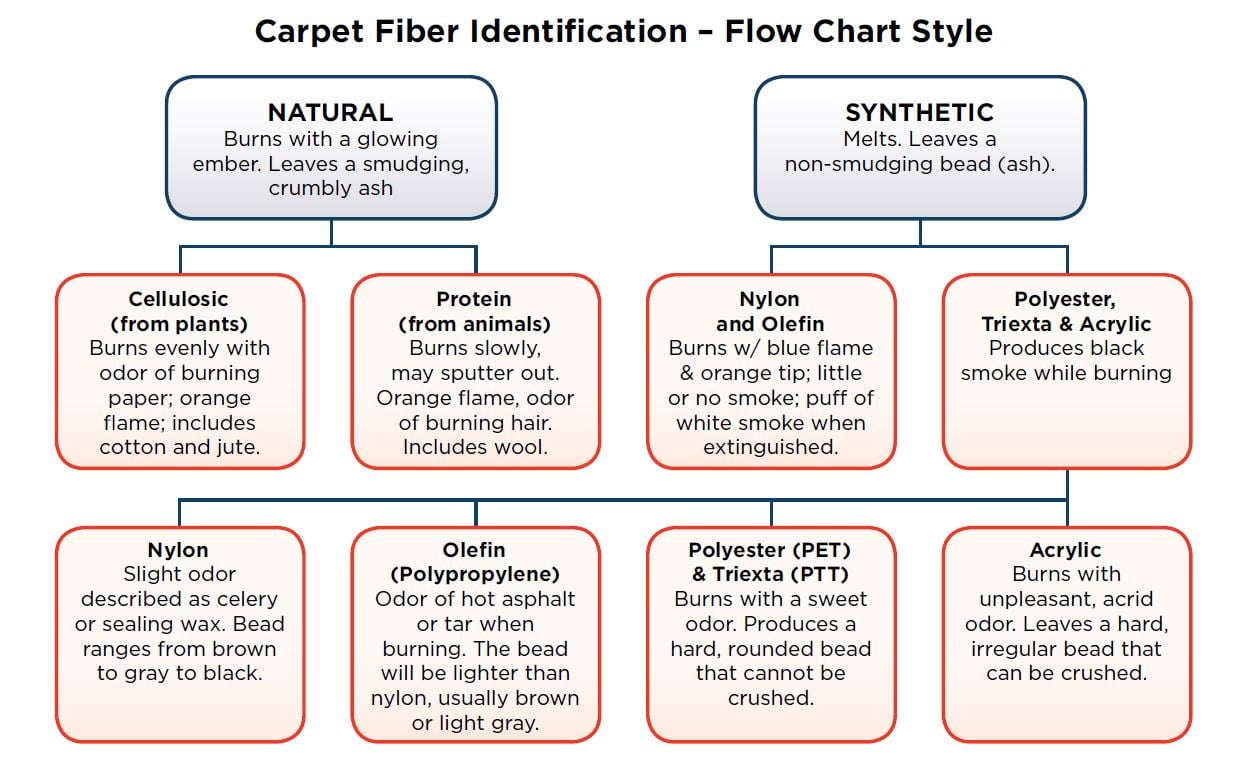
Your carpet material dictates which method succeeds. Misidentifying fibers causes irreversible damage:
Nylon/Polyester (85% of carpets)
- Use: Salt/ice first, then baking soda
- Avoid: Vinegar, steam cleaners
- Why: High melting points (428°F/220°C) allow cooling interventions
Wool/Oriental Rugs
- Use: Hydrogen peroxide ONLY on fresh burns
- Avoid: All abrasives, heat
- Why: Protein fibers scorch instantly at 300°F (149°C)—no cooling window
Blend Carpets
- Test methods in closet first
- Start with gentlest option (peroxide)
- Red flag: If fibers pull out easily, stop—you’re damaging the foundation
Expert insight: Run a “fingernail test”—if you can scrape residue off with light pressure, it’s synthetic. If it crumbles like charcoal, it’s natural fiber.
When to Call a Professional Carpet Cleaner
DIY methods fail for:
– Burns larger than a golf ball (1.6″)
– Melted fibers fused to backing
– Dark carpets where bleaching risks color loss
– Burns near seams or edges
Professionals use infrared thermometers to assess heat penetration and apply specialized solvents like Carpet Burn Eraser Pro that break carbon bonds without discoloration. Expect $75-$150 for spot treatment versus $200+ for patching. Don’t waste money if:
– The burn smells acrid (indicates backing damage)
– Fibers are stiff to touch (permanent melting)
– You’ve already applied vinegar or bleach
Cost-saving tip: Get quotes for “spot repair” not “full cleaning”—many companies upsell unnecessarily.
Permanent Prevention: Stop Iron Burns Before They Happen
90% of carpet burns occur during rushed ironing sessions. Implement these non-negotiable safeguards:
Ironing Station Safety Checklist
- Mandatory 3-foot clearance from carpet edges
- Always use silicone ironing mat (melts at 500°F vs. carpet’s 180°F)
- Never set iron down while heating up
- Install outlet timers to auto-shutoff after 30 minutes
High-Risk Household Fixes
- Place rubber mat under ironing board legs
- Keep spray bottle of water away from iron area (spills cause steam explosions)
- Store irons vertically in cooled position
Proven statistic: Homes using silicone mats reduce burn incidents by 97% according to National Floor Covering Association data.
Final Takeaway: Your Burn Repair Roadmap
Act within 5 minutes with salt/ice for synthetic carpets or hydrogen peroxide for wool. If residue remains, move to baking soda scrub—but stop immediately if fibers tear. For burns larger than a quarter or near seams, call a pro specializing in thermal damage. Most importantly, install physical barriers between irons and carpets using non-slip silicone mats. Remember: 70% of “ruined” carpets are fully restorable when treated with fiber-specific methods. Keep this guide handy—better yet, pin it near your ironing station. One moment of caution saves hundreds in replacement costs and the headache of matching carpet dye lots years later.
Before your next ironing session: Place a bright silicone mat under your board and set a phone timer for 20-minute breaks. That simple habit eliminates 99% of carpet burn risks—protection that costs less than a cup of coffee.