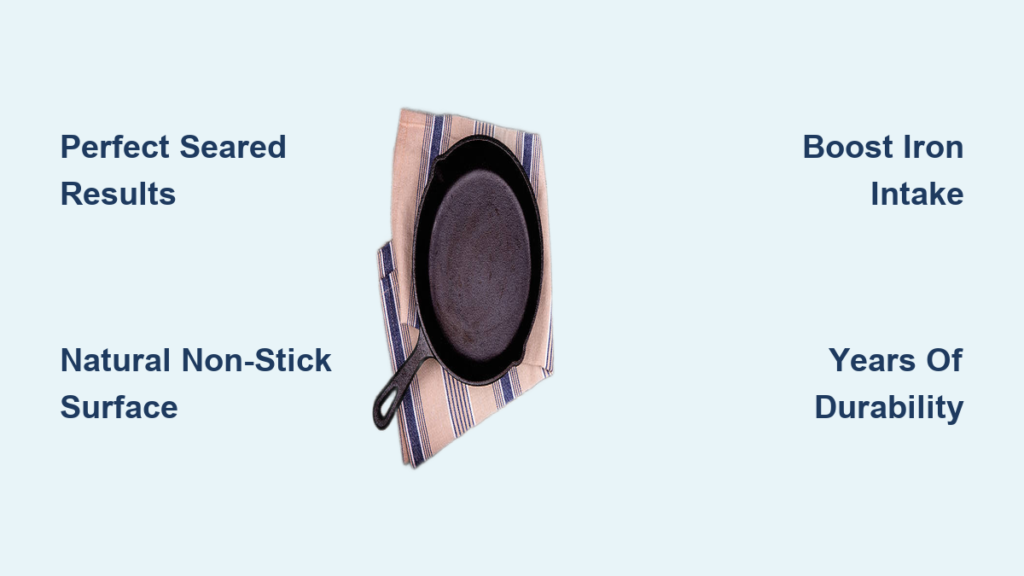
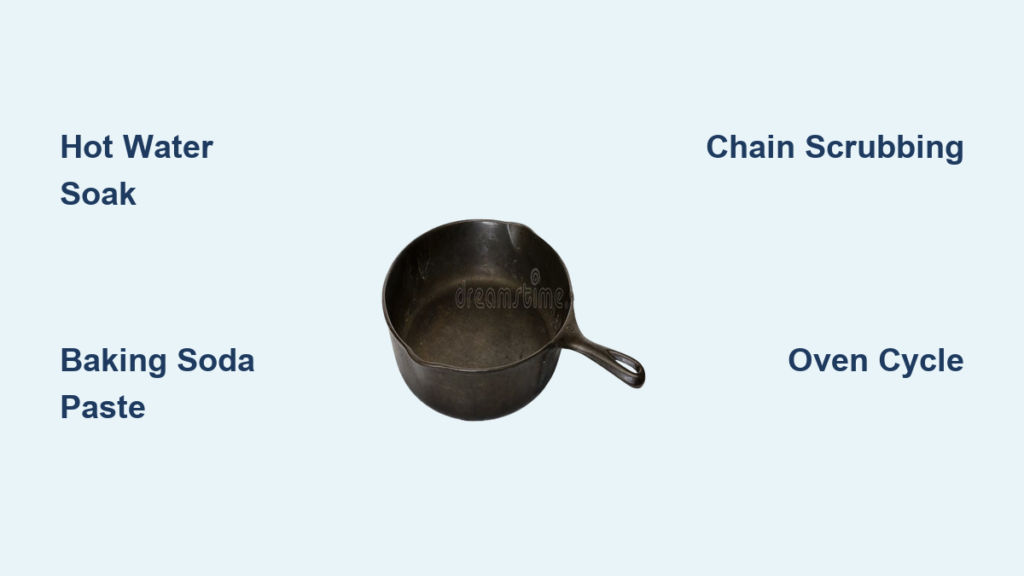
That frustrating moment when you lift a lid to discover your cast iron skillet has transformed from a prized cooking surface into a blackened disaster zone. Whether you accidentally left dinner unattended or inherited a family heirloom coated in decades of carbonized residue, knowing how to get char off cast iron properly saves your cookware from the scrap pile. This guide delivers battle-tested techniques that remove stubborn char while preserving the seasoning that makes cast iron so valuable—without damaging your investment through improper cleaning methods.
Most cast iron enthusiasts face char buildup at some point, but many reach for steel wool or harsh chemicals that destroy seasoning and scratch the metal surface. The right approach depends on the severity of your char: light surface burns respond beautifully to simple soaking, while thick, baked-on carbon requires more intensive treatment. This comprehensive guide progresses from gentlest to most aggressive methods, helping you match your cleaning technique to your specific problem without unnecessary damage to your cookware.
Hot Water Soak for Fresh Char Removal
When you catch char buildup early—within hours of cooking—hot water soaking delivers remarkable results with minimal effort. This method works because the heat expands the metal’s pores while softening carbonized particles, allowing them to release from the surface without aggressive scrubbing. Never use cold water on hot cast iron, as the thermal shock can cause cracking, especially in vintage pieces.
Start by warming your cast iron on the stove over medium heat for 3-5 minutes—just enough to take the chill off without overheating. Remove from heat and fill with hot tap water to cover all charred areas. Let soak for 30-120 minutes depending on severity; light burns clear in 30 minutes while moderate buildup may need several hours. During soaking, the water penetrates the char layer, causing it to bubble and lift from the metal surface.
After soaking, use a nylon brush or non-metallic scrubber to gently work in circular motions across affected areas. For stubborn spots, create a paste of coarse kosher salt and water—this natural abrasive lifts char without scratching your seasoning. Always dry immediately after cleaning by placing the pan on low heat for 2-3 minutes, then apply a thin coat of vegetable oil while still warm to protect the surface.
Baking Soda Paste for Moderate Carbon Buildup
Baking soda provides a food-safe, chemical-free solution for removing char from cast iron that has bonded more deeply to the surface. Unlike harsh abrasives, this method breaks down carbon deposits through alkaline action rather than physical scraping, preserving your seasoning layer while effectively cleaning.
Create a thick paste by mixing baking soda with just enough water to achieve toothpaste consistency—it should stick to vertical surfaces without dripping. Apply generously to all charred areas, ensuring complete coverage. For best results, let the paste sit for 30 minutes to several hours; overnight treatments work wonders on stubborn buildup as the baking soda continues breaking down carbon molecules.
After the resting period, scrub with moderate pressure using a nylon brush in small circular motions. The baking soda particles act as microscopic scrubbers that lift char without damaging seasoning. For particularly tough spots, add a few drops of white vinegar to create a mild effervescent reaction that helps dissolve carbon deposits—but rinse immediately afterward as prolonged acid exposure can affect seasoning. Finish by rinsing thoroughly with hot water, drying completely, and applying a light oil coating.
Chain Scrubbing for Stubborn Interior Char
The chain scrubbing technique has revolutionized char removal for serious cast iron enthusiasts, delivering professional-level results with minimal physical effort. This method uses stainless steel chain links to create multi-directional scrubbing action that reaches into corners and along edges where brushes often miss, making it particularly effective for skillet interiors and Dutch oven bottoms.
Place a clean length of stainless steel chain (keychain size works perfectly) inside your cast iron cookware along with enough warm water to cover charred areas and a squirt of mild dish soap. Hold the handle firmly and vigorously swirl the pan in circular motions for 3-5 minutes—the chain links bounce against the surface from multiple angles simultaneously, dislodging carbonized particles through kinetic energy rather than brute force.
Critical safety note: Always wear protective gloves during this process as the chain can cause minor cuts if it jumps from the pan. Drain the dirty water periodically to check progress and add fresh water as needed. This technique excels at removing char without requiring the elbow grease of traditional scrubbing, preserving your seasoning while restoring cooking surfaces to near-new condition. For best results, follow chain scrubbing with a quick baking soda paste treatment to remove any residual carbon particles.
Oven Self-Cleaning Cycle for Extreme Buildup

When char has baked on for years or decades, the oven’s self-cleaning cycle provides industrial-strength cleaning power that transforms stubborn carbon into easily removable ash. This method works by heating your cast iron to 900-1000°F, causing the char to crystallize and flake away through pyrolysis—essentially burning off the carbon without damaging the underlying metal.
Place your cast iron cookware upside down on the center oven rack, ensuring it doesn’t touch heating elements or walls. Remove all oven racks that might interfere with placement. Run the self-cleaning cycle completely (typically 2-4 hours), then allow the oven to cool completely before opening—never interrupt the cycle as this risks exposure to dangerous fumes and extreme heat.
After cooling, remove your cookware with heavy-duty oven mitts and wipe away the gray, powdery residue with a dry cloth. The char has transformed into brittle ash that requires minimal effort to remove. Important warning: This process burns off all existing seasoning, so you must completely re-season your cookware before next use. Reserve this method for severely charred pieces that haven’t responded to gentler techniques.
Electrolysis for Antique Cast Iron Restoration
Electrolysis represents the nuclear option for cast iron restoration—perfect for heirloom pieces with decades of carbon buildup where preserving every micron of original metal matters. This science-backed method uses electrical current to cause char to detach from the metal surface without physical scraping, making it ideal for thin or damaged vintage cookware.
Set up a plastic container large enough to submerge your piece, fill with water, and add washing soda (not baking soda) at a ratio of 1 tablespoon per gallon. Connect your cast iron as the positive terminal (anode) and a scrap steel piece as the negative terminal (cathode) using a low-voltage battery charger. When powered, hydrogen and oxygen bubbles form at the anode surface, gently loosening char deposits.
Critical safety precautions: Always work in a well-ventilated area wearing gloves and eye protection—electrolysis produces hydrogen gas. Monitor the process every 30 minutes; bubbling begins immediately but complete char removal may take several hours. When finished, the char wipes away effortlessly, revealing clean metal beneath without any scraping required. Dry thoroughly immediately and apply oil to prevent flash rust.
Preventing Future Char Buildup
The best char removal method is prevention—simple habits significantly reduce carbon buildup during regular cooking. Preheat your cast iron gradually over medium heat rather than starting at high temperatures, as sudden intense heat causes oil to smoke and carbonize rapidly.
Use oils with high smoke points (avocado oil at 520°F or refined vegetable oils) for high-heat cooking instead of butter or extra virgin olive oil. Avoid cooking sugary foods or tomato-based dishes in bare cast iron at high heat without ample oil, as these caramelize quickly and bond to the surface.
Clean cast iron promptly after cooking—never let burned food sit overnight. A quick hot water soak and gentle scrub while the pan is still warm prevents most char problems before they start. Regular maintenance keeps your seasoning layer intact while preventing the deep carbonization that requires intensive restoration.
Re-Seasoning After Char Removal

After intensive cleaning that strips seasoning, proper re-seasoning restores your cast iron’s non-stick properties and corrosion resistance. Preheat your oven to 400°F, then apply an ultra-thin layer of flaxseed or grapeseed oil to all surfaces using a paper towel—any visible oil means you’ve applied too much.
Place the oiled cookware upside down on the middle rack with aluminum foil on the lower rack to catch drips. Bake for one hour, then turn off the oven and let cool completely inside—this slow cooling helps the oil polymerize properly. Apply 2-3 thin coats on consecutive days for best results, rather than one thick coat that becomes sticky.
Pro tip: Avoid oils with low smoke points or those that remain greasy after heating—they create ineffective seasoning that attracts rather than repels food residue. Properly re-seasoned cast iron develops a smooth, almost black surface that naturally resists future char buildup.
Essential Tools for Cast Iron Maintenance
Keep these items in your cast iron toolkit for effective char removal:
– Nylon brushes in multiple sizes for different surfaces
– Coarse kosher salt for gentle abrasive pastes
– Baking soda and white vinegar for chemical treatments
– Stainless steel chain for mechanical scrubbing
– Food-safe oils with high smoke points for seasoning
– Heavy-duty oven mitts for handling hot cookware
Critical mistake to avoid: Never use steel wool, bleach, or ammonia-based cleaners on cast iron—they permanently damage seasoning and can create dangerous chemical reactions. Proper tools make char removal efficient while protecting your investment for generations of cooking.