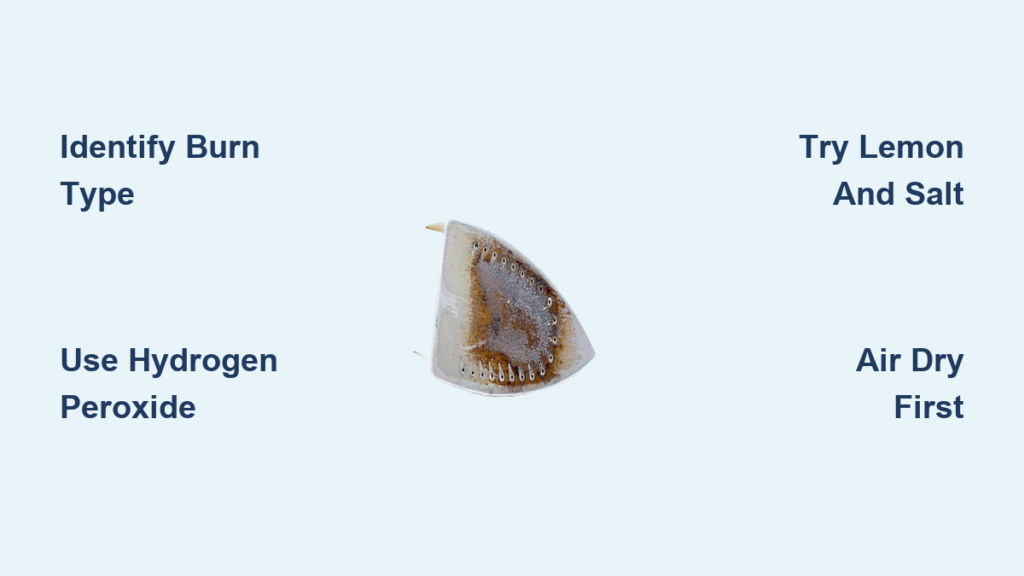
That sinking feeling when you lift your iron to reveal a yellowed or browned patch on your favorite shirt—iron burns strike fear into every careful launderer’s heart. The good news? Most scorch marks can be significantly improved or completely removed with the right approach. Whether you’ve accidentally left your iron sitting too long on cotton dress shirts or melted synthetic fibers with excessive heat, this guide delivers proven methods to rescue your damaged garments. Understanding how to get iron burn out of clothes properly can save your favorite pieces from the donation bin.
Iron burns occur when excessive heat causes fabric fibers to scorch, creating discoloration that ranges from light yellow to dark brown. The key to successful removal lies in matching your treatment to both the severity of the burn and the fabric type. Acting quickly and using the appropriate method for your specific situation dramatically increases your chances of restoring the garment to its original condition.
Identify Your Scorch Mark Type Before Treatment
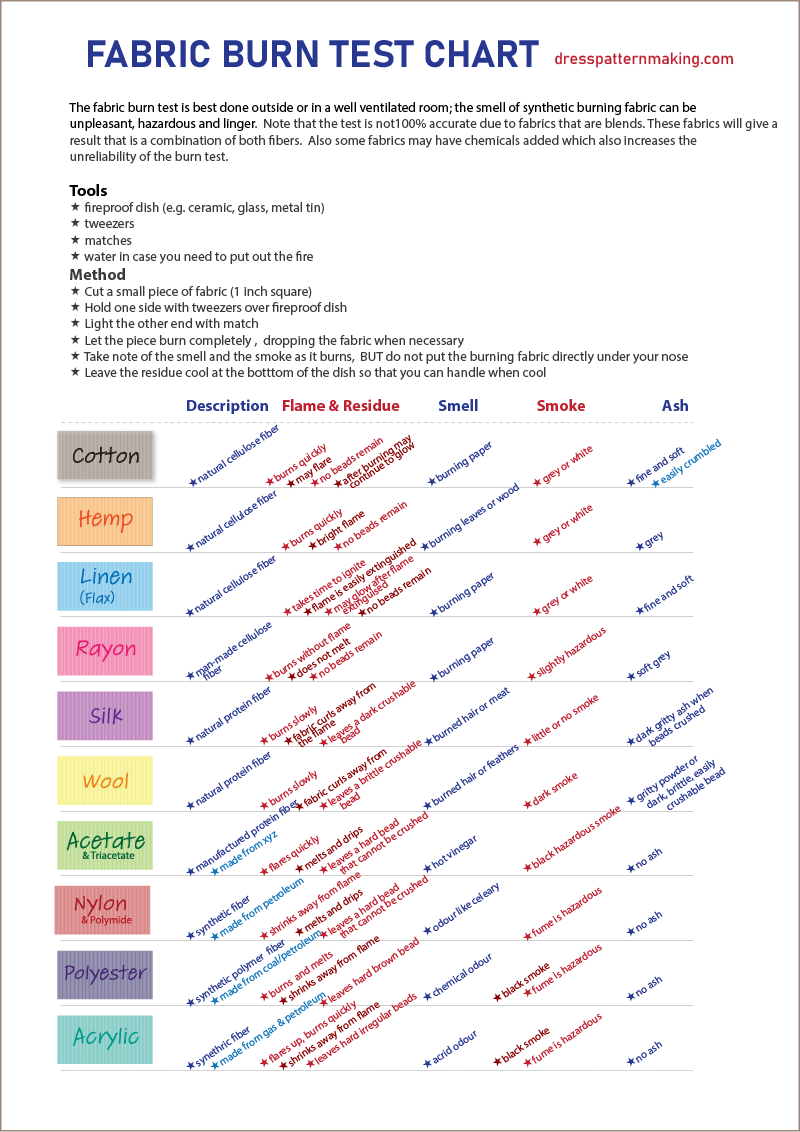
Don’t grab the first cleaning solution you see—proper identification of your iron burn determines which removal method will work best. Many people worsen the damage by using inappropriate treatments because they don’t assess the burn correctly.
Light surface scorch appears as faint yellow discoloration without texture changes. These occur when the iron touches the fabric briefly at high heat. The fibers remain intact but have undergone chemical changes causing discoloration. These respond well to gentle treatments and often disappear completely with proper care.
Moderate burns show darker brown coloring and may feel slightly stiff or rough. Some fibers have begun to break down but the fabric structure remains mostly intact. These require stronger treatments and may leave slight residual discoloration even after successful treatment.
Severe burns feature dark brown or black marks where fibers have been destroyed. The fabric may be thin, brittle, or have actual holes. Unfortunately, these burns typically cannot be repaired at home and may require professional restoration or fabric replacement. Attempting home treatments on severe burns often wastes time and may spread the damage.
Immediate Response for Fresh Iron Burns
Time is your most valuable ally when dealing with fresh scorch marks—act within the first few hours for best results. The longer a burn sits, the more it sets into the fabric fibers, making removal increasingly difficult.
First, let the fabric cool completely if the burn is recent. Working on warm fabric can spread the damage further. Once cool, gently brush the affected area with a soft toothbrush to remove any loose, damaged fibers. This preliminary step prevents the burn from spreading during treatment and gives you a clearer assessment of the actual damage.
For delicate fabrics like silk or rayon, skip home treatments entirely and take the garment to a professional cleaner immediately. These materials respond poorly to DIY remedies and often require specialized solvents that home users don’t have access to. The sooner you get delicate fabrics to a professional, the better your chances of successful restoration.
Hydrogen Peroxide Method for White Fabrics
Hydrogen peroxide works wonders on light scorch marks in white cotton and linen fabrics. This gentle oxidizing agent lifts discoloration without the harshness of chlorine bleach, making it ideal for natural fibers.
Mix equal parts 3% hydrogen peroxide and cool water in a small bowl. Always test this solution on an inconspicuous area (like an inside seam) first to ensure colorfastness. If no discoloration occurs after five minutes, proceed with treatment.
Apply the solution directly to the scorch mark using a clean white cloth, working from the outside edges toward the center. Let it sit for 20-30 minutes, checking periodically to prevent over-bleaching. For stubborn marks, cover the treated area with plastic wrap to prevent evaporation and extend contact time.
Rinse thoroughly with cool water, then launder as usual with the hottest water safe for the fabric. Inspect while damp—repeating the treatment before drying is crucial, as heat from the dryer will permanently set any remaining discoloration. For best results, air dry after treatment to assess effectiveness before applying additional heat.
Lemon Juice and Salt Treatment for Colored Fabrics

When dealing with scorch marks on colored garments, avoid bleaching agents that could cause fading. The lemon juice and salt method provides gentle yet effective removal without compromising fabric dyes.
Squeeze fresh lemon juice directly onto the scorch mark until thoroughly saturated. The citric acid breaks down discoloration while being gentle enough for most colorfast fabrics. If lemon juice isn’t available, white vinegar serves as an acceptable substitute, though it may require multiple applications.
Sprinkle regular table salt over the lemon juice to create a paste-like consistency. The salt acts as a mild abrasive that helps lift the scorch marks while absorbing moisture from the fibers. Allow this mixture to sit for 1-2 hours, reapplying lemon juice if the paste dries completely.
After treatment, rinse with cool water and launder normally. For stubborn marks, repeat the process over several days. This gradual approach works particularly well on cotton and linen garments where aggressive treatments might damage the fabric. Always air dry after treatment to check results before machine drying.
White Vinegar Solution for Set-In Scorch Marks
When lighter remedies fail to address stubborn discoloration, white vinegar offers a more concentrated approach. Its acetic acid content effectively dissolves mineral deposits and lifts discoloration from fabric fibers.
Create a 50/50 solution of white vinegar and water in a spray bottle. Lightly mist the scorch mark until damp but not soaking wet. For more severe burns, apply undiluted vinegar directly to the affected area using a cotton ball.
Allow the vinegar to penetrate for 45-60 minutes, keeping the fabric damp by reapplying the solution if it dries out. The strong vinegar smell will dissipate completely during laundering. After treatment, rinse thoroughly with cool water to remove all vinegar residue.
Wash the garment with regular detergent, adding one cup of white vinegar to the rinse cycle to neutralize any remaining odor and remove residual discoloration. Air dry and inspect—repeat the treatment if necessary before subjecting the garment to dryer heat. This method works particularly well on cotton and linen fabrics with moderate scorching.
Borax Paste for Stubborn Iron Burns
For scorch marks that resist simpler treatments, borax provides a more powerful solution. This naturally occurring mineral compound works as a gentle bleaching agent and stain remover, particularly effective on white fabrics.
Mix borax with just enough water to create a thick paste. Apply this paste directly to the scorch mark, gently working it into the fibers with your fingertips. Allow it to dry completely on the fabric—typically 2-4 hours depending on humidity.
Once dry, brush away the residue thoroughly and rinse with cool water. Launder using the hottest water safe for the fabric. Borax works through dual action: its alkaline properties break down carbonized fibers while its mild abrasiveness lifts discoloration.
Always wear gloves when handling borax and avoid using it on silk or wool. This treatment works best on cotton and linen fabrics with moderate burns that haven’t responded to gentler methods. For best results, follow borax treatment with a vinegar rinse to neutralize any remaining alkalinity.
Professional Help for Delicate Fabrics and Severe Burns
Recognizing when home treatments won’t work saves time, money, and prevents further damage. Certain situations absolutely require professional intervention:
Take silk, wool, cashmere, and other delicate natural fibers directly to a professional cleaner—these materials respond poorly to home remedies and often require specialized solvents. The cost of professional treatment is usually justified for high-value garments or those with sentimental importance.
If home treatments have failed after 2-3 attempts, stop trying additional remedies. Continuing to treat a non-responsive scorch mark can cause additional damage that makes professional restoration impossible. Severe burns with actual holes or significantly weakened fabric structure typically cannot be repaired at home.
For valuable garments with persistent scorch marks, consider consulting a textile restoration specialist. These professionals have access to stronger solvents and specialized techniques that can address damage beyond home treatment capabilities. While more expensive, this option may be worthwhile for irreplaceable items.
Prevent Future Iron Burns with Smart Practices
The best way to handle iron burns is to prevent them entirely. Implement these practices to protect your clothes from heat damage:
Clean your iron’s soleplate regularly with a vinegar-water solution to remove mineral deposits that can transfer to fabrics as rust-colored stains. Check for buildup before each use, especially if you’ve been ironing at high temperatures.
Always use the correct temperature setting for each fabric type, consulting garment care labels. Many iron burns occur when users select too high a temperature or leave the iron stationary for too long. Consider investing in an iron with automatic shutoff for added safety.
Use a pressing cloth between your iron and delicate fabrics—it creates a protective barrier while still allowing effective wrinkle removal. White cotton muslin works perfectly and is inexpensive to keep on hand for valuable garments.
Final Tips for Successful Iron Burn Removal
Patience and proper technique determine your success with iron burn removal. Start with the gentlest effective method and progress to stronger treatments only as needed—harsh remedies on light scorch marks can cause unnecessary damage.
Always air dry treated garments before machine drying to inspect results. Heat from the dryer will set any remaining discoloration permanently. Launder treated items separately until you’re certain the treatment is complete to avoid transferring chemicals or dyes to other garments.
With realistic expectations and the right approach, most light to moderate iron burns can be significantly improved or completely removed. By understanding how to get iron burn out of clothes properly, you can rescue your favorite garments and extend their usable life.