

Giving your baby iron drops can turn into a daily battle that leaves both of you frustrated and exhausted. You’ve probably experienced the struggle—your infant turning their head away, clamping their mouth shut, or spitting out the metallic-tasting liquid the moment it touches their tongue. This common challenge affects countless parents who know their baby needs this crucial supplement but can’t figure out how to get it into them consistently. When your pediatrician recommends iron drops for your little one, understanding the right techniques can transform this stressful ritual into a seamless part of your daily routine.
Iron supplementation plays a vital role in your baby’s development, particularly during those critical first twelve months when their brain and body are growing at an astonishing rate. Many infants, especially those who are exclusively breastfed beyond four months or born prematurely, require additional iron that their regular diet doesn’t provide. Without adequate iron, your baby’s cognitive development and overall growth can be compromised, making proper administration of these drops essential for their long-term health. This guide provides practical, parent-tested strategies for giving baby iron drops effectively while minimizing fuss and maximizing absorption.
Why Iron Drops Matter for Your Baby’s Development
Your baby’s iron needs surge dramatically during the first year as their blood volume doubles and their brain undergoes rapid growth. Iron serves as the building block for hemoglobin, which carries oxygen throughout your baby’s body and to their developing brain. When dietary sources fall short—common with exclusively breastfed infants after four months or premature babies who missed crucial iron transfer in the womb—supplementation becomes necessary to prevent deficiency.
The consequences of untreated iron deficiency extend beyond temporary fatigue. Research shows that infants with low iron levels may experience delayed motor skills, reduced attention spans, and cognitive challenges that can persist into childhood. Your pediatrician likely recommended iron drops after identifying risk factors like prematurity, exclusive breastfeeding without iron supplementation, or blood test results showing low ferritin levels. Recognizing how vital these drops are for your baby’s immediate and long-term development helps maintain your commitment to consistent administration, even on difficult days.
Correct Dosage by Age and Weight: Avoiding Common Mistakes
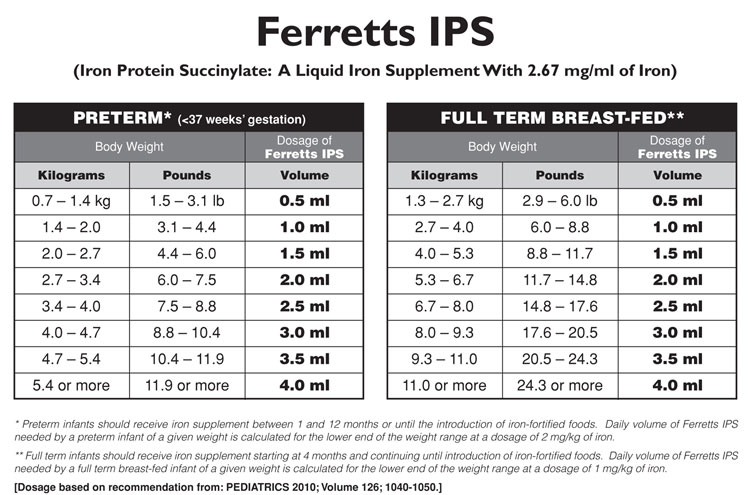
Getting the dosage precisely right separates effective treatment from potential problems. Pediatricians typically prescribe 1-3 milligrams of elemental iron per kilogram of your baby’s body weight daily, but your specific instructions will vary based on blood work results and your infant’s individual needs. Never guess or estimate the dose—always follow your pediatrician’s exact prescription, as even small deviations can impact effectiveness.
Different iron drop formulations contain varying concentrations of elemental iron, so the number of drops doesn’t always correlate between brands. Always use the measuring device that came with your specific product—usually a calibrated dropper or oral syringe—rather than household spoons which lack precision. If you lose the original measuring tool, contact your pharmacy for a replacement rather than improvising. Many parents find success by writing the exact dose on a visible spot near where they store the drops, eliminating confusion during those early morning or late-night administrations.
Best Administration Techniques That Actually Work for Fussy Babies
The location where you deposit the iron drops in your baby’s mouth makes a significant difference in whether they swallow versus spit out the supplement. Instead of squirting the liquid directly onto the center of their tongue, gently pull down their lower lip to create a small pocket and release the drops slowly along the inside of their cheek. This technique allows your baby to swallow more naturally while minimizing the immediate taste sensation that often triggers rejection.
Hold your baby in a semi-upright position against your chest to prevent choking, and consider administering the drops right before a feeding when their hunger might override taste aversion. After giving the supplement, offer a small amount of breast milk or formula to help wash away the metallic aftertaste. If direct administration consistently fails, mix the drops with one to two ounces of expressed breast milk, formula, or water—but never with calcium-rich foods or dairy alternatives, as these significantly reduce absorption. Some parents find success by using a clean finger to rub a small amount of the iron solution on their baby’s gums before attempting the full dose, helping them gradually adjust to the taste.
Optimal Timing for Maximum Iron Absorption
Timing your baby’s iron drops strategically enhances effectiveness while minimizing side effects. Iron absorbs best when given on a semi-empty stomach—one hour before or two hours after feedings—but if your baby experiences stomach upset, your pediatrician may recommend pairing it with a small amount of food. Many parents discover morning administration works well since your baby’s stomach has been empty overnight, and any potential nausea occurs early in the day rather than disrupting sleep.
Crucially, avoid giving iron drops within two hours of dairy products, calcium supplements, or antacids, as calcium dramatically reduces iron absorption. If your baby takes other medications, consult your pediatrician about appropriate spacing to ensure maximum effectiveness of all treatments. Consistency matters more than perfection—choosing a time that fits your schedule and sticking with it daily creates reliable iron levels in your baby’s system.
Managing Common Side Effects Without Stopping Treatment
Constipation represents the most frequent side effect of iron supplementation, causing discomfort that makes administration even more challenging. If your baby strains during bowel movements or goes longer than usual between stools, increase their fluid intake through more frequent breastfeeding or formula feeds. Gentle bicycle motions with their legs and supervised tummy time can stimulate digestion, while small amounts of water (with pediatrician approval) may provide additional relief.
Dark stools appear alarming but actually indicate the iron is working properly—this discoloration represents normal processing of the supplement through your baby’s digestive system. For stomach upset or mild nausea, try giving the drops with a small amount of food or adjusting the timing to bedtime when discomfort may be less noticeable. Never discontinue iron drops due to side effects without consulting your pediatrician, who can recommend appropriate interventions while maintaining treatment.
Vitamin C Boosts Iron Absorption Significantly

Pairing iron drops with vitamin C creates a powerful combination that enhances absorption by two to three times. For exclusively breastfed infants, offer breast milk immediately before or after the iron dose since breast milk naturally contains vitamin C. Once your baby starts solids, serve iron drops alongside vitamin C-rich purees like strawberries, mango, or bell peppers to maximize effectiveness.
If your baby isn’t yet eating solid foods, ask your pediatrician about appropriate vitamin C supplementation options. Even a small amount of vitamin C makes a significant difference in how much iron your baby’s body can utilize from each dose, potentially shortening the overall treatment duration. Consistent pairing of iron with vitamin C sources creates cumulative benefits that support faster improvement in iron levels.
When to Contact Your Pediatrician Immediately
While iron supplementation generally proceeds smoothly, certain symptoms require prompt medical attention. Seek immediate care if your baby develops persistent vomiting, severe diarrhea, or signs of allergic reaction including rash, facial swelling, or breathing difficulties. Contact your pediatrician if constipation becomes severe despite dietary adjustments or if your baby shows ongoing discomfort, feeding refusal, or unusual lethargy after starting iron drops.
Regular blood tests monitor your baby’s progress and determine when supplementation can safely end. Never discontinue iron drops prematurely based on apparent improvement—completing the full prescribed course ensures iron stores are fully replenished and reduces recurrence risk. Your pediatrician may adjust the dosage or try alternative formulations if side effects persist, so maintaining open communication throughout the treatment process remains essential.
Building a Sustainable Administration Routine
Creating a reliable routine transforms iron drop administration from a daily battle into a manageable habit. Pair the supplement with an existing daily activity—like the first morning feeding or bedtime routine—to anchor it in your schedule. Keep the drops and measuring device in a visible location where you regularly care for your baby, and set phone reminders until the habit becomes automatic.
Track each dose with a simple calendar notation, especially when multiple caregivers share responsibility. Celebrate small victories when administration goes smoothly, and remain patient during setbacks—your baby may gradually accept the drops more readily as they become accustomed to the routine. Remember that every successful dose contributes to rebuilding your baby’s iron stores and supporting their healthy development, making the effort worthwhile despite occasional challenges.
Final Note: This guide provides general information about administering iron supplements to infants. Always follow your pediatrician’s specific instructions regarding dosage, timing, and duration of supplementation for your individual baby. If you have concerns about your baby’s iron levels or how they’re responding to supplementation, contact your healthcare provider promptly.