
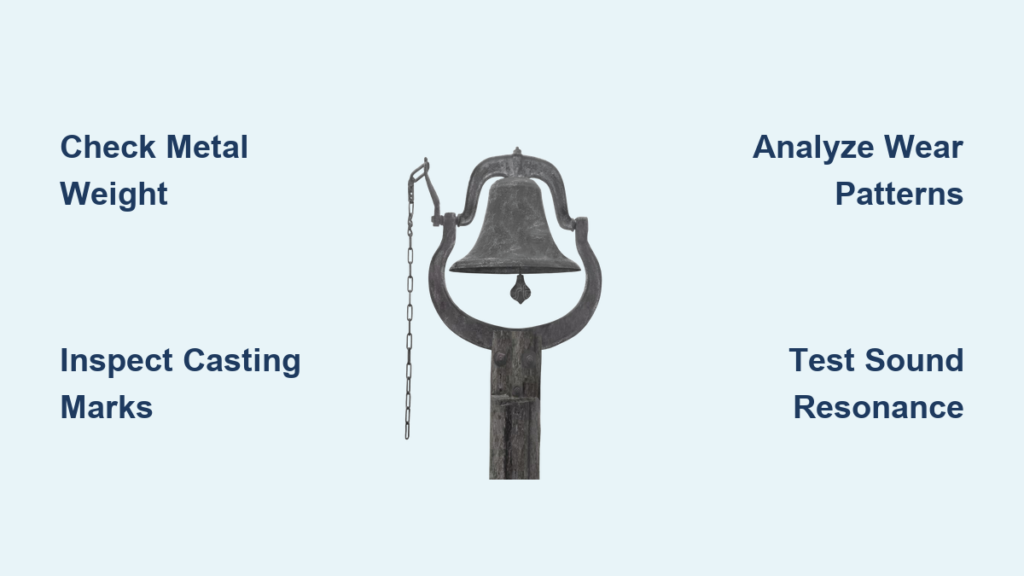
Antique cast iron bells carry a rich history in their weathered metal, from farmyard cow bells that guided livestock to church bells that once called communities to worship. Whether you’ve inherited an old bell, found one at an estate sale, or simply want to learn more about these fascinating artifacts, knowing how to identify their age and origin is both a useful skill and a rewarding hobby. This guide walks you through the key methods collectors and historians use to date and authenticate cast iron bells, helping you understand what makes each piece unique and how to assess its historical significance.
Old cast iron bells differ significantly from modern reproductions in their construction, materials, sound, and appearance. Learning to recognize these differences takes practice, but anyone can develop this expertise by understanding the fundamental characteristics that separate genuine antiques from newer pieces. The process involves examining physical attributes, investigating maker’s marks, analyzing wear patterns, and considering the bell’s provenance whenever possible.
Examine Physical Characteristics and Construction
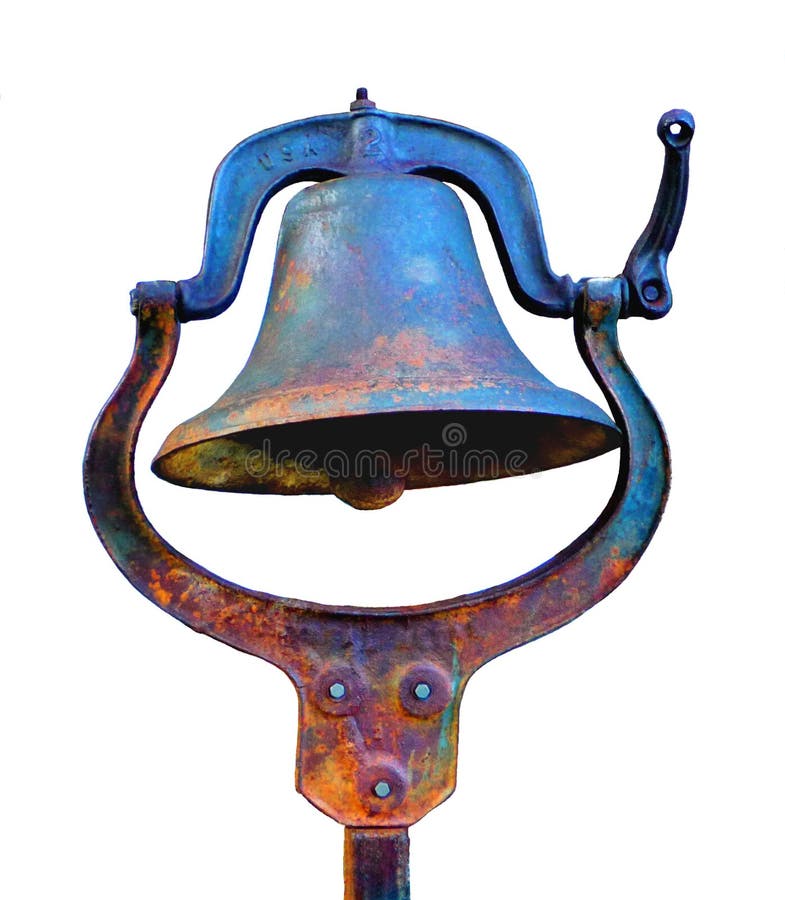
The first step in identifying an old cast iron bell involves careful visual and tactile inspection of its physical properties. Antique bells display specific characteristics that result from historical manufacturing methods and decades or centuries of use or exposure to the elements.
Metal Composition and Weight
Authentic old cast iron bells possess a distinctive weight that differs from modern steel or aluminum reproductions. Cast iron is notably heavier than alternative metals, and antique bells typically feel substantial when lifted. The metal itself often shows slight variations in thickness that reflect hand-poured casting techniques, whereas modern manufacturing produces more uniform pieces. Run your fingers across the surface to feel for these subtle irregularities, which indicate traditional casting methods rather than precision machine production.
The color and texture of aged cast iron also provide important clues. Genuine antique bells typically develop a patina ranging from deep brown to greenish-gray, particularly if they spent time outdoors. This patina forms naturally over decades as the metal reacts with moisture and air. Be cautious, however, as artificial aging techniques can replicate this appearance, so examine the patina critically and combine this observation with other identification methods.
Pro tip: When comparing weight, hold an antique bell alongside a modern reproduction of similar size. The difference in heft is often immediately noticeable.
Surface Texture and Casting Marks
Examine the bell’s surface for evidence of the casting process. Old cast iron bells frequently show subtle tool marks, slight imperfections, or flow lines where molten metal moved through the mold. These natural variations distinguish handcrafted pieces from modern mass-produced bells, which typically exhibit smooth, uniform surfaces. Look closely at the bell’s interior, where such marks often remain visible even when exterior surfaces have worn smooth from use or handling.
The casting seam, where the two halves of the mold met, should be visible on genuine antique bells. This seam appears as a thin line running vertically along the bell’s surface, and while it may be partially smoothed, it rarely disappears completely on authentically aged pieces. Modern reproduction techniques can replicate this seam, so use it as one indicator among many rather than a definitive authentication tool.
Decode Manufacturer Marks and Hallmarks

Maker’s marks provide some of the most valuable evidence for dating and identifying old cast iron bells. Foundries and manufacturers stamped, cast, or engraved their identifying information into bells, creating a paper trail that can link pieces to specific time periods and locations.
Common Mark Locations
Antique cast iron bells typically bear maker’s marks in consistent locations. Check the crown (the top portion that attaches to the mounting hardware), the shoulder where the body curves inward, and sometimes the inside surface of the bell. Marks may appear as raised letters cast into the metal, stamped impressions, or engraved designs. Some manufacturers used decorative logos or emblems that can be cross-referenced with historical records.
Research common foundry marks systematically. American bell manufacturers such as McShane Bell Foundry, Meneely Bell Company, and others produced distinctive marks that collectors have documented extensively. European bells often bear town names, founder’s names, or crests that indicate their origin. When you find a mark, search for it in bell collector databases, historical foundry records, or antique price guides to narrow down the likely date range and location of manufacture.
Interpreting Date Codes and Variations
Some manufacturers used date codes rather than explicit years. These codes varied by foundry and sometimes changed over time, requiring research to interpret correctly. Certain marks indicate specific production periods—for example, bells bearing the mark of a company that operated under that name only during certain decades can be dated to that window. Watch for variations in spelling or design that may indicate transitional periods or counterfeit marks.
Not all old bells bear legible marks. Many farm bells and smaller cast iron pieces were produced by local foundries that left minimal documentation, and decades of use can wear marks beyond recognition. The absence of a visible mark doesn’t necessarily indicate a reproduction, but it does require greater reliance on other identification methods. Remember: A genuine antique bell without markings still shows other physical characteristics of age.
Analyze Wear Patterns and Use Evidence
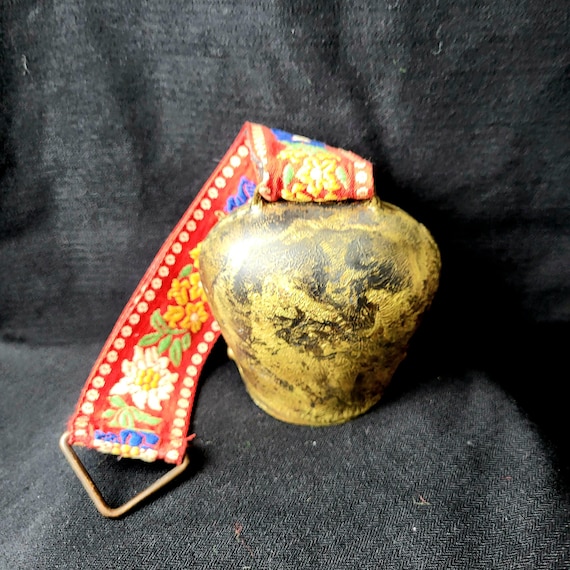
The way an old bell shows wear provides crucial information about its history and authenticity. Natural wear develops in predictable patterns that differ significantly from artificial aging or mechanical damage.
Expected Wear Locations
Authentic antique bells display wear in specific areas corresponding to their use. Farm bells that hung freely show wear on the crown and around the mounting hole where hardware contacted the metal. Hand bells exhibit wear on the handle and the rim that contacts surfaces during ringing. Church bells, which often remained stationary while the internal clapper moved, typically show wear on the interior surface where the clapper struck over decades or centuries.
Examine these wear areas closely. Genuine wear produces smooth, polished surfaces that reflect years of consistent contact. The metal in these areas often appears slightly lighter or more polished than surrounding surfaces. Artificial aging or mechanical wear from tumbling or grinding produces different textures—look for inconsistent patterns, scratches that follow no logical direction, or wear that appears on surfaces unlikely to contact anything during normal use.
Patina Development and Oxidation
Natural oxidation on old cast iron develops in layers that can reveal much about a bell’s history. Outdoor exposure produces different patina than indoor storage, and bells that served in agricultural settings often show different wear patterns than those from church or ship installations. Examine whether the patina is consistent with the bell’s supposed history—if a bell is claimed to have spent a century outdoors but shows minimal weathering, question that history.
Genuine patina adheres firmly to the metal surface and doesn’t rub off or transfer. Light scratching through the surface layer should reveal fresh metal beneath, while artificially colored or treated bells may show the coating breaking away or leaving residue. The transition between patina and worn surfaces should appear gradual and natural on authentically aged pieces.
Assess Sound and Acoustic Properties
The sound a bell produces offers another avenue for identification, as historical casting techniques produced distinctive acoustic properties that modern methods rarely replicate exactly.
Testing Tone and Resonance
Gently strike an old cast iron bell and listen carefully to its tone. Antique bells typically produce complex overtones with a rich, lingering resonance that newer pieces often lack. The sound should feel “deep” and have a certain complexity that comes from the specific metal composition and casting techniques of the era. Modern reproductions frequently produce simpler, thinner tones by comparison.
Listen for the “beat” pattern in an old bell’s sound—the slight wavering that occurs when multiple frequencies interact. This beat pattern results from slight asymmetries in the metal that occur naturally in historical casting. While modern foundries can produce excellent bells, achieving the exact acoustic properties of historical pieces requires considerable skill and often specialized techniques.
Physical Vibration Response
When struck, an old cast iron bell should vibrate visibly and feel responsive to the touch. Place your hand gently on the bell’s surface after striking—you should feel the vibration traveling through the metal. This tactile response indicates proper annealing and cooling processes that historical foundries achieved through experience and careful timing.
Bells that feel “dead” or produce minimal vibration may have been damaged, poorly cast, or made from different materials. Conversely, bells that ring too sharply or with harsh overtones may be made from steel or other alloys rather than traditional cast iron. Developing sensitivity to these differences takes practice, but experienced collectors can often identify authentic old bells partly through this tactile examination.
Evaluate Provenance and Historical Documentation
When available, provenance information provides invaluable context for identifying and dating old cast iron bells. Documentation of ownership, purchase records, photographs, or historical accounts can connect a bell to specific events, locations, or time periods.
Documentation Types and Sources
Look for any written documentation accompanying the bell. Original receipts, family letters mentioning the bell, insurance records, or estate documents may reference the piece and provide dates or purchase information. Historical photographs showing the bell in situ can establish when it was in use at a particular location, providing a latest-possible-date for its manufacture.
Local historical societies, church archives, and agricultural museums sometimes maintain records of bell purchases or installations. If you know the bell’s supposed origin, researching that location’s history may yield relevant information. Farm auctions, church records, and town meeting minutes occasionally mention bell purchases or installations that can help date specific pieces.
Assessing Provenance Reliability
When evaluating provenance claims, consider whether the documentation appears original and whether its details make historical sense. Be skeptical of stories that seem too detailed or convenient, and watch for anachronisms that suggest fabricated history. Genuine provenance often includes some uncertainty—the story may be incomplete or based on family recollection rather than written records.
Document any provenance information thoroughly, including photographs of the bell in its original context if available. This documentation increases the bell’s value and collector interest while helping future researchers understand its history. Even uncertain or partial provenance provides more information than no documentation at all.
Conclusion
Identifying old cast iron bells combines careful observation, historical research, and developed expertise. By examining physical characteristics, decoding maker’s marks, analyzing wear patterns, and investigating provenance, you can develop a comprehensive understanding of any piece. The skills described here improve with practice, and every bell examined adds to your knowledge base.
Whether you’re evaluating a family heirloom, browsing an antique shop, or exploring a historic site, these identification techniques provide a framework for understanding cast iron bells and their place in history. The process connects you to the craftsmen who poured the metal, the communities that used the bells, and the generations that preserved them. Each authentic old bell represents a tangible link to the past—learning to read its story honors that legacy while enriching your appreciation of these remarkable objects.
For ongoing learning, connect with bell collector communities and visit museums with bell collections to build your reference library of authentic examples. With time and practice, you’ll develop the ability to quickly assess whether a bell is a genuine antique or a modern reproduction, enhancing both your collecting experience and historical understanding.