Waking up exhausted despite a full night’s sleep? Struggling with shortness of breath during simple tasks? These could be your body’s warning signs of low iron levels—a condition affecting millions worldwide. Iron deficiency develops gradually, often sneaking up on you until symptoms become impossible to ignore. The good news? You can increase iron levels quickly with the right combination of dietary strategies, timing optimization, and lifestyle adjustments. This guide walks you through proven methods to boost your iron stores efficiently, whether you’re dealing with mild deficiency or working to prevent it altogether.
Understanding how your body absorbs and regulates iron forms the foundation of any effective optimization strategy. Your body controls iron absorption through a sophisticated hormonal system involving hepcidin, a master regulator that determines how much iron enters your bloodstream from dietary sources and stored reserves. By working with—rather than against—these natural mechanisms, you can dramatically improve your results. The following sections cover everything from optimal timing and food combinations to exercise strategies and supplementation approaches that will help you restore healthy iron levels fast.
Decode Your Body’s Iron Deficiency Signals
Recognizing iron deficiency early allows for faster correction, making awareness of warning signs your first line of defense. Mild iron deficiency often begins silently, without obvious symptoms, while more advanced cases present with classic indicators that shouldn’t be overlooked.
Physical symptoms to watch for include persistent fatigue that doesn’t improve with rest, weakness in your muscles, pale skin particularly around the nails and inner eyelids, brittle nails that chip or spoon-shaped nails, hair shedding more than usual, and restless legs that disrupt sleep. Shortness of breath during normal activities, dizziness when standing quickly, and headaches also commonly accompany significant iron depletion. Women, vegetarians, athletes, and those following restrictive eating patterns face higher risk and should remain especially vigilant about these signals.
Understanding deficiency progression helps you gauge how quickly you need to act. Your body stores iron in ferritin, a protein that holds reserves for future use. When dietary intake consistently falls short of requirements, these stores gradually deplete—first reaching low ferritin levels without anemia, then progressing to iron deficiency anemia as stores become exhausted. This progression explains why some people feel symptoms before blood tests reveal anemia, and why addressing deficiency early leads to faster recovery.
Optimal Timing for Maximum Iron Absorption
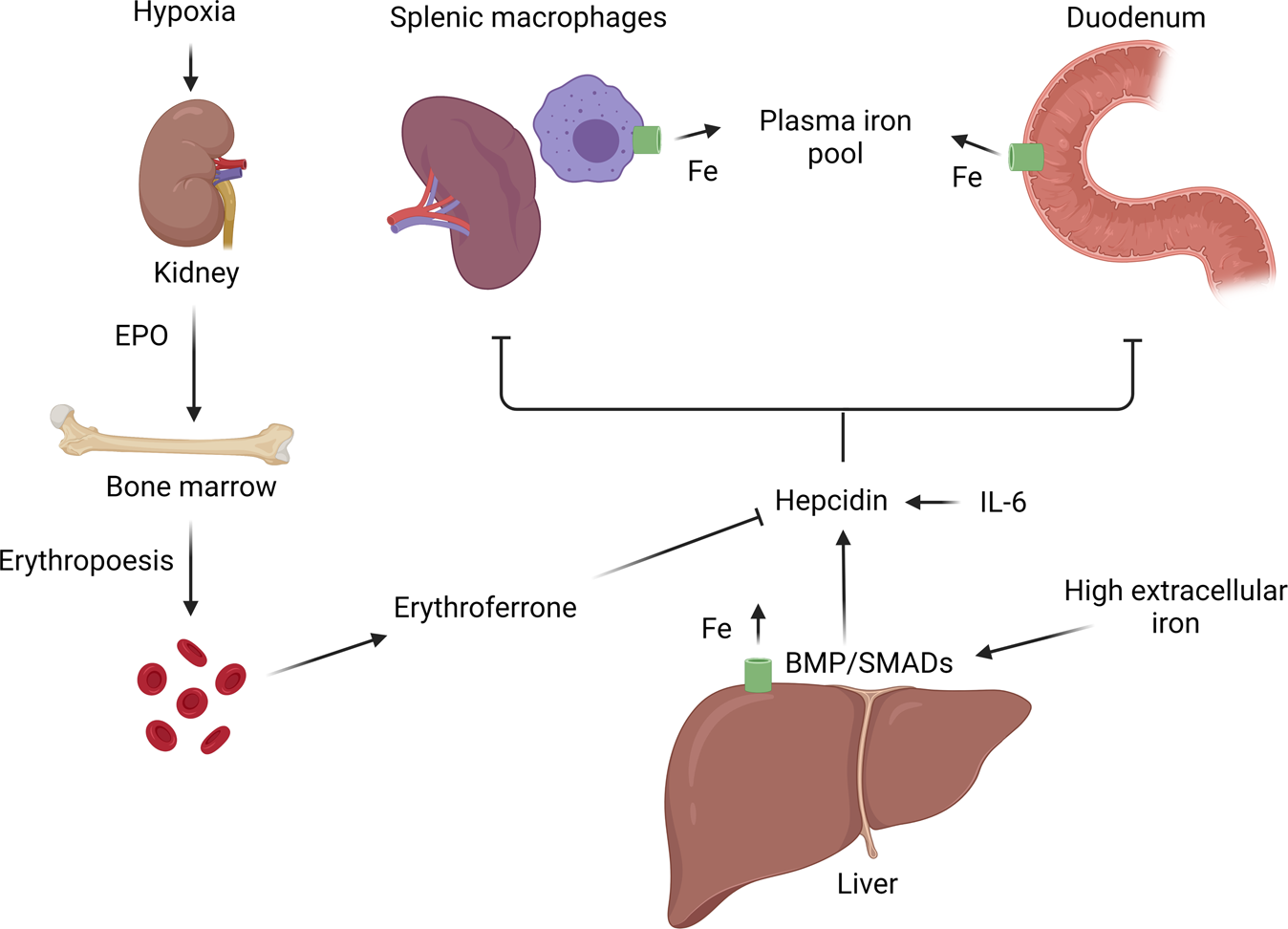
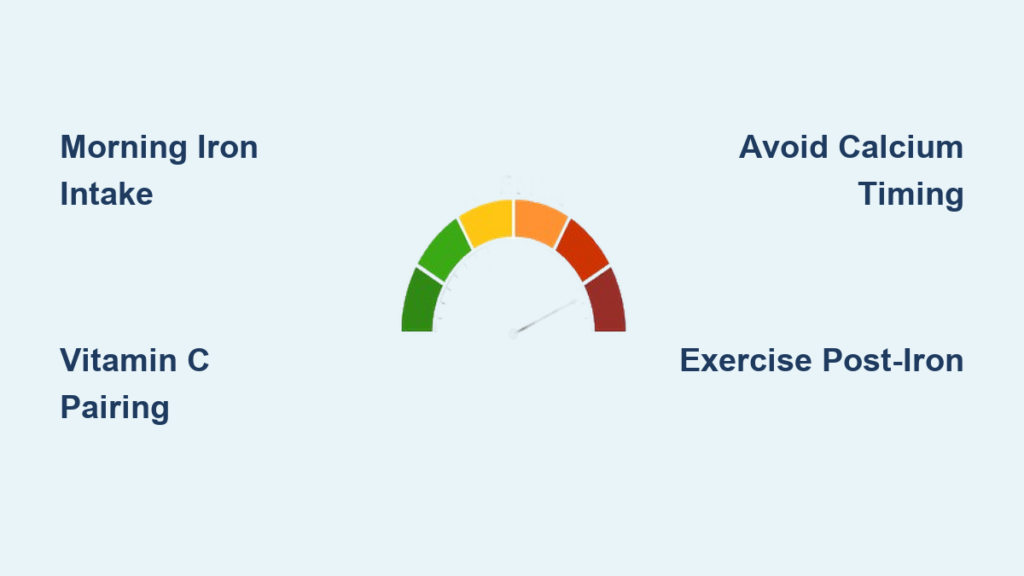
The timing of your iron intake dramatically affects how much your body actually absorbs, with research showing absorption variations of up to 40 percent depending on when you consume iron-rich foods or supplements. Your body’s hepcidin levels fluctuate throughout the day, creating natural windows when iron absorption peaks and periods when it significantly diminishes.
Morning consumption delivers the best results because hepcidin levels tend to be lower after overnight fasting. Eating iron-rich foods or taking supplements in the morning, ideally within 30 minutes of waking, takes advantage of this naturally elevated absorption state. This becomes particularly powerful when you consume iron shortly after any morning exercise, as the body enters an enhanced absorption window following physical activity.
The exercise-iron connection represents one of the most impactful timing strategies available. Research tracking runners demonstrated that those who consumed iron 30 minutes after completing a 90-minute morning workout absorbed 40 percent more iron compared to those who took iron after afternoon exercise sessions. This occurs because morning exercise followed by iron intake creates a favorable hormonal environment that temporarily suppresses hepcidin while enhancing absorption pathways. For anyone seeking to increase iron levels quickly, scheduling iron consumption for the post-exercise morning window offers a simple but powerful optimization.
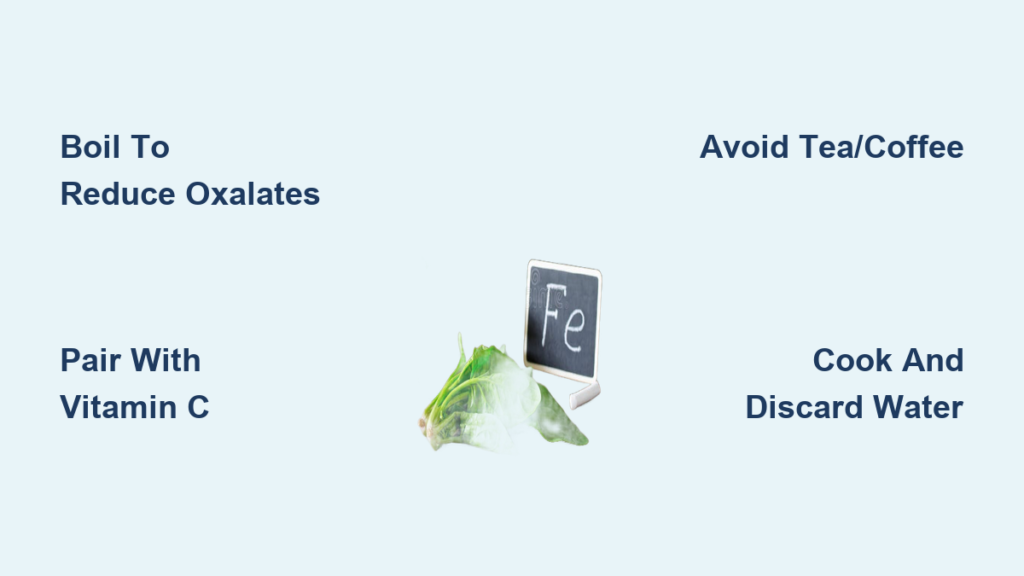
Avoid competing absorbers by keeping calcium-rich foods and beverages separate from your iron-rich meals. Calcium interferes with both heme and non-heme iron absorption, so consuming dairy, calcium-fortified products, or antacids within two hours of iron-containing foods can significantly reduce uptake. Similarly, coffee, tea, and wine containing polyphenols should be spaced away from iron-rich meals for optimal absorption.
Best Foods to Boost Iron Fast

Selecting iron-rich foods forms the foundation of any quick-recovery strategy, but not all iron sources absorb equally. Understanding the difference between heme and non-heme iron helps you prioritize your dietary choices for maximum impact.
Heme iron sources provide the most readily absorbable form of iron, found exclusively in animal products. Red meat, particularly lean beef and lamb, offers the highest heme iron content with excellent absorption rates typically ranging from 15 to 35 percent. Poultry, especially dark meat like chicken thighs, and seafood including clams, sardines, and tuna provide substantial heme iron with good bioavailability. For those who include animal products in their diets, these sources can rapidly support iron restoration.
Non-heme iron from plant sources requires more careful optimization but can effectively raise iron levels when prepared and consumed strategically. Lentils, chickpeas, and beans provide substantial iron, with one cup of cooked lentils delivering approximately 6.6 milligrams. Spinach and other dark leafy greens contain iron, though their bioavailability is lower due to oxalates that bind minerals. Pumpkin seeds, quinoa, fortified cereals, and tofu round out the plant-based iron options, offering 2 to 8 milligrams per serving depending on the food and preparation method.
Plant-based eaters face unique challenges because non-heme iron absorption typically runs around 5 percent compared to the 15 to 35 percent absorption rates for heme iron. This lower bioavailability explains why vegetarians and vegans often require higher total iron intake—the Institute of Medicine recommends 1.8 times more iron for vegetarians compared to non-vegetarians. However, strategic dietary approaches can substantially improve non-heme iron absorption, making plant-based iron optimization entirely achievable.
Pair Iron with Powerful Absorption Enhancers
Certain foods dramatically boost iron absorption when consumed alongside iron-rich meals, transforming low-bioavailability plant iron into a more readily absorbed form. These combinations work through multiple mechanisms, from converting iron into more absorbable states to blocking absorption inhibitors.
Vitamin C stands as the most powerful iron absorption enhancer, capable of increasing non-heme iron absorption by up to 300 percent or more. Vitamin C converts ferric iron—the form found in plant foods—into ferrous iron, which your body absorbs more easily. Additionally, vitamin C forms complexes with iron that resist the binding effects of phytates and other inhibitors. Excellent pairing options include adding citrus juice to iron-rich salads, pairing beans with bell peppers or tomatoes, enjoying spinach with strawberries, or adding tomato-based sauces to iron-fortified grains.
Organic acids beyond vitamin C also support iron absorption. Citric acid from citrus fruits, malic acid from apples, and tartaric acid from grapes all enhance iron uptake to varying degrees. This explains why fermented foods and vinegar-containing dressings can improve iron absorption from meals—a useful strategy for anyone looking to maximize dietary iron utilization.
Avoid common absorption inhibitors at your iron-rich meals to prevent negating your efforts. Phytates in whole grains, legumes, and nuts bind iron and prevent absorption, though soaking, sprouting, and fermenting these foods activates phytase enzymes that break down phytates. Polyphenols in coffee, tea, red wine, and some herbs like mint significantly reduce iron absorption and should be consumed separately from iron-rich meals. Calcium from dairy or supplements directly competes with iron for absorption pathways, making timing separation essential.
Exercise Strategies That Enhance Iron Levels
Physical activity affects iron metabolism through complex mechanisms that can either help or hinder your efforts to increase iron levels quickly, depending on how you structure your exercise and nutrition timing.
Morning exercise creates an absorption advantage when followed by iron consumption. The physiological stress of exercise temporarily increases inflammatory markers including interleukin-6, which normally stimulates hepcidin production and reduces iron absorption. However, consuming iron about 30 minutes after morning exercise appears to counteract this effect, with studies showing significantly improved iron uptake during this window. The exact mechanisms involve complex interactions between exercise-induced hormones, inflammatory responses, and the regulatory pathways governing intestinal iron absorption.
Intense and prolonged exercise can deplete iron stores through multiple pathways including mechanical damage to red blood cells in feet during running, sweat losses, and the hepcidin response to strenuous training. Athletes, particularly endurance athletes following plant-based diets, often struggle with iron depletion despite adequate intake. If you’re a serious athlete, monitoring iron status regularly and working with a sports dietitian can help you optimize both performance and iron levels.
Moderate activity supports overall iron metabolism through improved circulation, enhanced tissue oxygen delivery, and better cardiovascular function. Walking, cycling, swimming, and other moderate exercises offer these benefits without the potentially depleting effects of high-intensity training. The key lies in balancing regular activity with recovery and ensuring adequate iron intake timed appropriately around your workouts.
Gut Health and Iron Uptake Optimization
Your intestinal lining performs the critical work of actually absorbing dietary iron, meaning the health of your gut directly determines how effectively you can increase iron levels from the foods and supplements you consume.
The duodenum handles most iron absorption, making this upper intestinal region’s health particularly important. Conditions affecting duodenal function, including celiac disease, inflammatory bowel disease, and bacterial overgrowth, can significantly impair iron uptake even when dietary intake is adequate. If you’ve struggled with iron deficiency despite good dietary habits, underlying gut issues deserve investigation.
Supporting beneficial gut bacteria enhances iron absorption through multiple mechanisms. Beneficial microbes produce short-chain fatty acids that support intestinal cell health and can break down phytates and other iron-binding compounds that would otherwise prevent absorption. Fermented foods like kimchi, sauerkraut, kefir, and yogurt introduce beneficial bacteria while also providing organic acids that enhance iron uptake. Prebiotic fibers from garlic, onions, asparagus, and bananas feed these beneficial organisms, creating a supportive environment for optimal absorption.
Reducing gut inflammation improves absorption efficiency by maintaining the integrity of the intestinal lining and preventing the chronic inflammatory state that elevates hepcidin and blocks iron export from cells. Anti-inflammatory dietary patterns rich in vegetables, fruits, whole grains, and healthy fats support this goal, while processed foods, excessive sugar, and industrial seed oils can promote inflammatory conditions that impair iron metabolism.
Supplements for Quick Iron Restoration

Dietary strategies alone sometimes prove insufficient for rapid iron restoration, particularly when deficiency is moderate to severe or when absorption challenges exist. Understanding supplement options helps you make informed decisions about when and how to use them effectively.
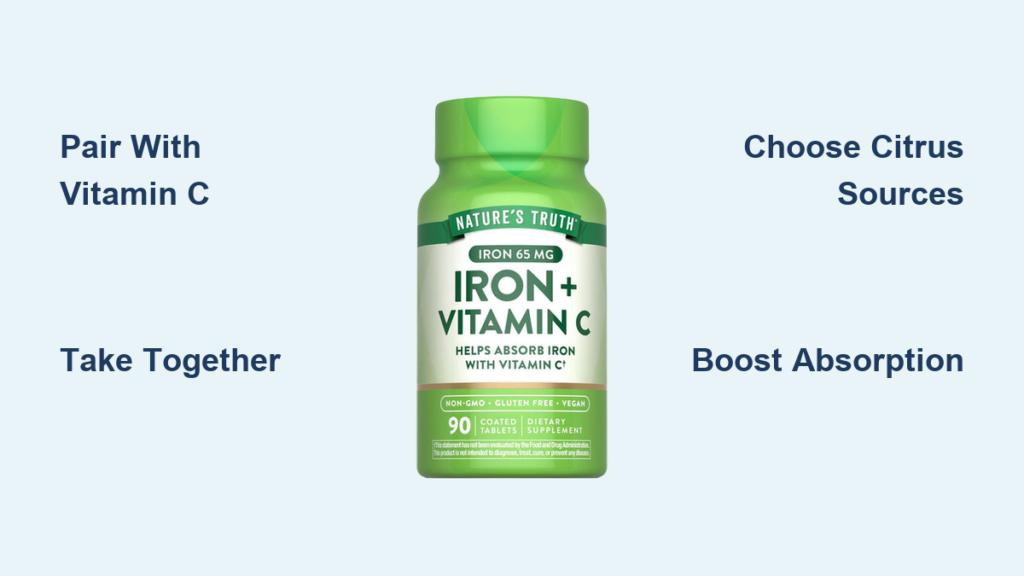
Choosing the right iron supplement involves balancing absorption efficiency, tolerability, and individual needs. Ferrous sulfate remains the most commonly prescribed form, offering good absorption at relatively low cost but often causing gastrointestinal side effects. Ferrous gluconate causes less stomach irritation for some people, while iron bisglycinate provides a gentler option that many find easier to tolerate. Liquid iron preparations and those combined with vitamin C may offer advantages for individuals experiencing absorption challenges or side effects from traditional tablets.
Maximizing supplement absorption follows similar principles to dietary optimization. Taking supplements in the morning on an empty stomach when possible allows for the best absorption, though this may cause discomfort for some individuals. Combining supplements with vitamin C—either through fortified formulas or by taking vitamin C alongside your iron—can significantly boost absorption. Avoiding coffee, tea, and calcium within two hours of supplement timing prevents the same interference that affects dietary iron.
Managing side effects effectively helps you maintain consistent supplementation when needed. Starting with lower doses and gradually increasing allows your digestive system to adapt. Taking supplements with food reduces absorption somewhat but may make consistent use more feasible if stomach upset is significant. Dividing doses throughout the day rather than taking everything at once can also improve tolerability while maintaining overall absorption.
Monitor Your Progress Effectively
Tracking your progress helps you gauge whether your iron-increasing strategies are working and determine when you’ve successfully restored healthy levels. Understanding which tests to use and how to interpret results puts you in control of your recovery journey.
Ferritin testing provides the most sensitive assessment of iron stores, measuring the protein that stores iron within your cells. Normal ferritin ranges typically fall between 30 to 400 nanograms per milliliter for men and 15 to 200 nanograms per milliliter for women, though optimal levels for repletion often fall in the 50 to 150 range. Rising ferritin levels indicate successful iron accumulation, while stable or declining levels suggest ongoing losses or insufficient absorption.
Complete blood count parameters reveal whether iron deficiency has progressed to anemia and track your recovery from that state. Hemoglobin, hematocrit, and red blood cell indices like mean corpuscular volume provide information about oxygen-carrying capacity and red blood cell health. These values typically improve over weeks to months as iron stores replenish and the bone marrow receives adequate iron for new red blood cell production.
Symptom tracking offers valuable real-time feedback that complements laboratory testing. Noting changes in energy levels, exercise tolerance, sleep quality, hair shedding, and other deficiency symptoms helps you gauge subjective improvement even before blood work reflects complete restoration. Most people begin noticing symptom improvement within two to four weeks of implementing effective iron-increasing strategies, with full recovery typically occurring over two to three months.
Increasing iron levels quickly requires understanding how your body absorbs and regulates this essential mineral, then strategically optimizing your diet, timing, and lifestyle to work with those natural mechanisms. By consuming iron-rich foods in the morning after exercise, pairing non-heme iron with vitamin C, supporting gut health, managing stress, and using supplements when needed, you can effectively restore healthy iron stores within weeks to months. Consistent implementation of these strategies, combined with regular monitoring, sets you up for lasting success in maintaining optimal iron levels and the energy and vitality that come with them. Remember that if you’re experiencing persistent symptoms despite implementing these strategies, consult a healthcare provider to rule out underlying conditions that might require specialized treatment.