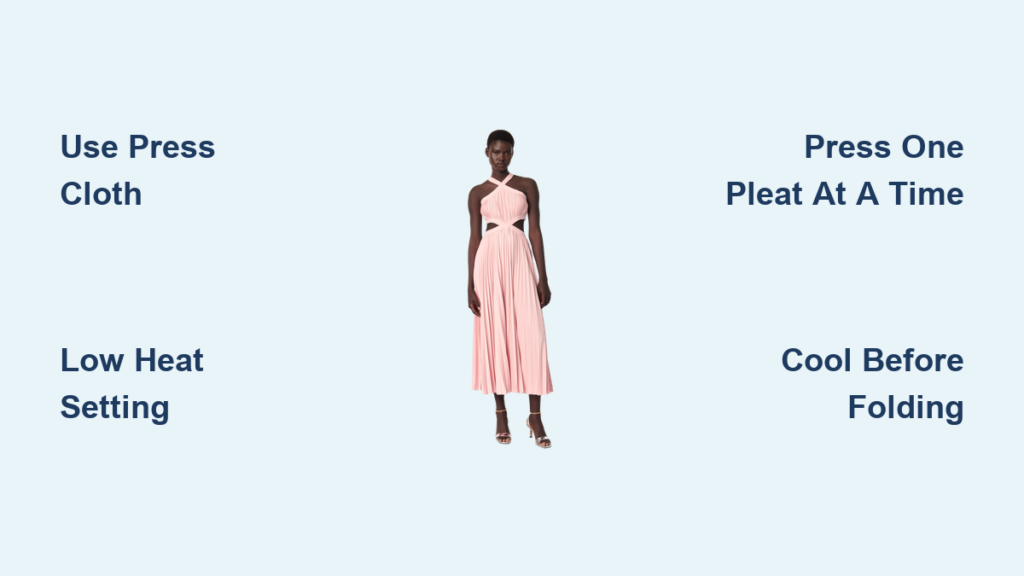
Pleated dresses transform from elegant statement pieces to frustrating fashion disasters when their crisp folds flatten or warp during ironing. The delicate balance between removing wrinkles and preserving structure challenges even experienced home launderers. Whether you’re preparing for a wedding, restoring a vintage piece, or simply maintaining your favorite pleated skirt, improper ironing can permanently alter the garment’s silhouette. This guide reveals professional techniques for ironing pleated dresses safely while maintaining their distinctive folded patterns. You’ll discover how to identify your fabric type, select the perfect temperature setting, and apply pressure correctly—ensuring your pleated dress maintains its sharp, sophisticated appearance through multiple wearings and care sessions.
Selecting the Perfect Iron Temperature for Your Fabric
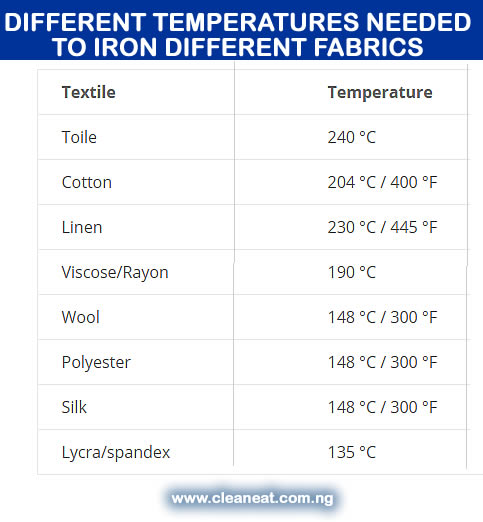
Choosing the wrong heat setting ranks among the most common mistakes when ironing pleated dresses, often resulting in melted fibers, shine marks, or irreversible pleat distortion. Your fabric type dictates the maximum safe temperature, and understanding these distinctions prevents costly damage.
Polyester pleated dresses require careful temperature control between 270°F and 300°F (130°C-150°C). These synthetic fabrics develop permanent shine marks or even melt when exposed to temperatures exceeding 320°F (160°C). When in doubt, start at the lowest setting and gradually increase heat only if necessary. Always test your iron’s temperature on an inconspicuous area like an inner seam before proceeding with the entire garment.
Cotton and linen pleated skirts tolerate higher heat but still need careful handling. Set your iron to approximately 350°F-400°F (180°C-200°C) for these natural fibers, which respond well to steam and moderate pressure. While cotton pleats hold their shape better than synthetics, excessive heat can still cause shrinkage or distortion in pleated sections.
Why Delicate Fabrics Need Special Temperature Considerations
Silk, chiffon, and satin pleated dresses demand temperatures below 270°F (130°C), often requiring the “silk” or “synthetic” setting on your iron. Many experts recommend avoiding direct iron contact entirely with these delicate materials, instead using a protective press cloth as a heat barrier. Test your temperature setting on an interior seam allowance first—delicate fabrics show damage instantly, and the test area will reveal whether your heat setting is safe before proceeding with visible sections.
Essential Tools That Prevent Pleat Damage
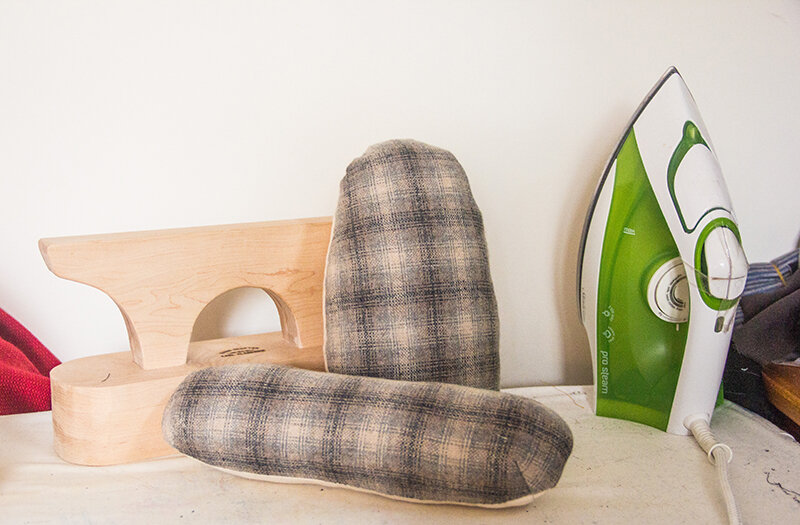
Gathering the right equipment before starting transforms a potentially disastrous ironing session into a controlled process that preserves your garment’s structure. Professional garment care specialists rely on specific tools that protect pleats while effectively removing wrinkles.
Press cloths create an essential protective barrier between your iron and the delicate pleated fabric. A clean cotton muslin square works well for most applications, while silk organza provides the thinnest possible protection for highly sensitive materials like chiffon. Lightly mist your press cloth with distilled water before placing it over your dress to generate controlled steam penetration without direct heat exposure.
How to Position Your Ironing Board for Pleat Preservation
The angle and setup of your ironing board significantly impact your results. Drape your pleated dress over a pressing ham rather than laying it flat on the board. This curved, stuffed form mimics the natural shape of the body, allowing you to press each pleat individually while maintaining volume. Position the pleat so its edge aligns precisely with the board’s edge, enabling you to press the full fold without the board surface interfering with your work.
Step-by-Step Ironing Technique for Perfect Pleats
The fundamental technique for ironing pleated dresses centers on one critical principle: never drag the iron across pleats. Dragging stretches fabric and destroys pleat alignment, while proper technique preserves the garment’s structure.
How to Press Pleats Without Flattening Them
Work one pleat at a time by lifting each fold and pressing the inner surface rather than the outer visible surface. Apply the iron with steady, even pressure without sliding or dragging. Hold the iron in place for 5-8 seconds, allowing heat and steam to penetrate the fabric fibers and relax them into their pleated configuration. Lift the iron straight up rather than sliding it off, which prevents stretching or distorting the pleat edge.
Maintain consistent pleat alignment throughout the process by frequently stepping back to visually compare your work to any existing pleats you haven’t yet pressed. Slight misalignments compound as you work, resulting in an uneven hem that’s difficult to correct after completion. If you notice drift or rotation in your pleats, gently lift the affected area, realign by hand, and press again to reset.
Restoring Flattened Pleats Like a Professional
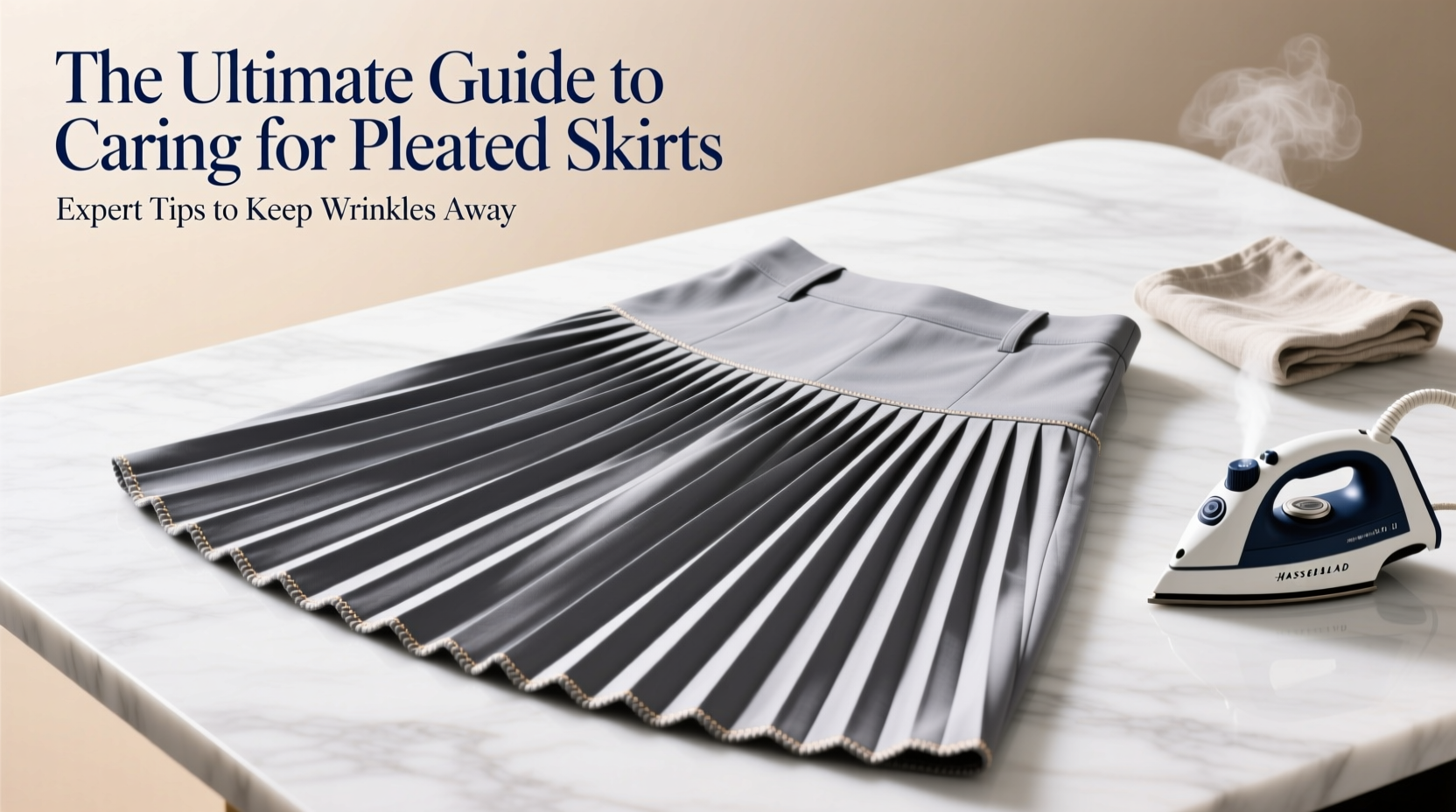
Pleats often lose their sharpness after storage or wearing, requiring specialized techniques to restore their crisp definition without damaging the fabric structure.
The Steam-and-Set Method for Reviving Flat Pleats
Dampen the inner surfaces of flattened pleats with a spray bottle filled with water or a light starch solution. Position the pleat exactly as you want it to appear, then cover with a press cloth and apply firm, sustained pressure with your iron at the appropriate temperature. Hold the iron in place for 15-20 seconds, then allow the area to cool completely before moving. For severely flattened pleats, this process may need repeating two or three times to rebuild the fold structure.
Proper cooling locks in your work—never fold or store a freshly pressed pleated dress immediately. Allow the garment to cool completely on a flat surface or hanging freely (30-60 minutes depending on fabric weight). During this cooling period, avoid touching or adjusting pleats, as any manipulation before fibers reset creates new wrinkles or misalignments.
Troubleshooting Common Pleat Ironing Disasters
Even with careful technique, pleated dresses occasionally present challenges requiring specialized solutions. Knowing how to address these common problems saves garments from permanent damage.
Removing Shine Marks from Synthetic Pleated Dresses
Shine marks appear as slightly darker, flattened areas that catch light differently than surrounding fabric, particularly on polyester materials. To remove shine, place a pressing cloth over the affected area and apply steam generously. The moisture relaxes compressed fibers, causing them to spring back to their original texture. For stubborn shine, try rubbing a slightly dampened cotton ball over the area before re-steaming. Prevention through always using a press cloth and appropriate temperatures remains far easier than correction.
Fixing Water Rings on Pleated Skirts
Watermarks or ring stains appear when water or cleaning solutions don’t penetrate evenly, leaving visible rings after drying. To remove watermarks, apply clean water or a diluted vinegar solution to the entire affected panel rather than spot-treating. Professional dry cleaning often provides the most reliable solution for watermark removal on delicate fabrics.
Fabric-Specific Ironing Protocols

Different materials demand tailored approaches that respect their unique properties while still achieving professional results. Understanding these fabric-specific requirements prevents damage and ensures optimal outcomes.
Ironing Polyester Pleated Dresses Safely
Polyester and synthetic blends respond best to low-to-medium temperatures with generous steam and minimal pressure. Use a press cloth without exception, and keep the iron moving rather than holding it in place. If wrinkles prove stubborn despite proper technique, steam the fabric while hanging rather than attempting higher heat, as synthetics often respond well to steam alone.
Silk Pleated Dress Ironing Protocol
Silk pleated dresses require the most careful handling, as silk fibers weaken under high heat and water can create permanent water spots. Many professionals recommend dry ironing silk through a press cloth only, avoiding steam entirely. If steam is necessary for stubborn wrinkles, use a pressing cloth dampened with distilled water rather than spraying the fabric directly. Test temperature settings on an interior seam first, and never leave the iron in one position for more than a few seconds.
Preserving Pleated Dresses Between Ironing Sessions
Proper storage techniques extend the time between ironing sessions and help maintain pleat structure through multiple wearings.
Hang pleated dresses on padded hangers rather than folding them, which prevents pressure marks that flatten pleats at fold points. If folding becomes necessary, stuff acid-free tissue paper between pleats to maintain separation and prevent creases from setting in. Avoid plastic garment bags, which trap moisture and encourage mildew—opt instead for breathable cotton garment bags for off-season storage.
Schedule regular maintenance ironing rather than waiting until your dress is heavily wrinkled. Light touch-ups after each wearing, focusing on areas that flattened during wear, require less effort than restoring severely wrinkled pleats. This regular maintenance approach extends the time between major pressing sessions and helps you catch developing problems before they become significant.
Mastering the art of ironing a pleated dress combines proper technique, appropriate tools, and fabric-specific knowledge that together produce professional results at home. By understanding how different materials respond to heat and pressure, using protective measures like press cloths, and following professional techniques for setting and maintaining pleat structure, you can keep your pleated garments looking crisp and well-maintained through years of wear. The investment in proper care pays dividends in extended garment life, reduced replacement costs, and the confidence that comes from presenting yourself in immaculately maintained clothing for every occasion that calls for the elegant silhouette that only a well-pleated dress can provide.