You’ve been taking iron supplements for days or weeks, but you’re still wondering: are these pills actually working? That nagging question plagues countless people starting iron supplementation. Without immediate visible results, it’s easy to doubt whether the daily pill routine is making a difference. Understanding the subtle signs that indicate your iron pills are working—and knowing when to expect them—can provide much-needed reassurance during your recovery journey. This guide reveals the physical indicators, laboratory markers, and realistic timeline so you can confidently assess your progress before your next doctor’s appointment.
Notice Your Energy Levels Within the First Week
Iron pills often deliver their first noticeable benefit within days: improved energy. If you’ve been struggling with overwhelming fatigue that made routine tasks feel impossible, watch for small but significant victories. You might find yourself climbing stairs without stopping to catch your breath or completing your workday without that crushing afternoon exhaustion. These improvements happen because iron enables your red blood cells to transport oxygen more effectively throughout your body, delivering vital energy to your tissues and muscles.
Track these subtle changes by keeping a simple energy journal. Each morning and evening, rate your energy on a 1-10 scale and note specific activities that felt easier. This documentation provides concrete evidence of progress you might otherwise overlook during gradual improvement. Many people report mental clarity returning alongside physical energy—brain fog lifts, concentration sharpens, and you feel more like yourself again as your brain receives adequate oxygen.
What to watch for in your daily routine
- Reduced need for afternoon naps
- Easier completion of household chores
- Improved workout endurance
- Better focus during work or study sessions
- Less reliance on caffeine to function
Check for Physical Appearance Changes Over Weeks

Your body reveals iron repletion through visible changes that become apparent over several weeks. The return of color to your face serves as one of the most reliable visual indicators. Iron deficiency causes noticeable pallor because low hemoglobin levels mean less red blood reaches your skin, lips, gums, and the inner lining of your lower eyelids. As your hemoglobin rises, this healthy pink color gradually returns, typically first visible in your lips and nail beds.
Nail health provides another tangible marker of improvement. If you’ve experienced brittle, spoon-shaped nails that peel and split easily, watch for stronger new nail growth. While existing damaged nails must grow out completely (a process taking four to six months for fingernails), new growth should appear smoother and more resilient. Hair loss associated with iron deficiency also begins slowing as your body recovers, though visible regrowth typically takes two to three months to become noticeable.
Monitor Respiratory and Heart Function Improvements
Shortness of breath during everyday activities often improves within the first two to three weeks of effective iron supplementation. Simple tasks like walking up a flight of stairs, carrying groceries, or walking briskly become noticeably less taxing as your blood’s oxygen-carrying capacity increases. You’ll likely find your breathing returns to normal faster after exertion and your heart doesn’t race as quickly during physical activity.
Resting heart rate frequently decreases as iron levels normalize. When iron deficient, your heart must pump harder to deliver adequate oxygen, resulting in a faster baseline pulse. As hemoglobin levels rise, your heart can work efficiently again, and many people notice their pulse dropping significantly within the first month. Pica symptoms—unusual cravings for non-food substances like ice, dirt, or starch—also tend to resolve quickly, often disappearing within the first week or two and serving as an early positive indicator.
Signs your cardiovascular system is improving
- Walking up hills without becoming winded
- Speaking in full sentences while exercising
- Resting heart rate decreasing by 10-20 BPM
- No longer needing to pause during routine activities
- Reduced heart palpitations at rest
Understand the Realistic Timeline for Results

Iron supplementation follows a predictable pattern of improvement, though individual experiences vary based on deficiency severity. The first changes—energy improvements and fading pica cravings—occur within days, while your body begins producing new red blood cells immediately. However, these initial improvements require continued supplementation to build upon.
Hemoglobin levels typically start rising within two to three weeks, with measurable blood test improvements appearing around the four-week mark. Most people feel noticeably better by six weeks, though complete symptom resolution usually takes about three months—the point when hemoglobin should return to normal range. Crucially, your doctor will likely recommend continuing supplementation for an additional three to six months to fully replenish iron stores (ferritin levels), not just correct the immediate anemia.
Key milestones in the recovery process
- Days 1-7: Pica cravings fade, initial energy improvements
- Weeks 2-4: Measurable hemoglobin increase, reduced shortness of breath
- Weeks 4-8: Significant symptom improvement, visible color returning
- Months 2-3: Hemoglobin normalizes, most symptoms resolve
- Months 3-6: Iron stores fully replenished, treatment completion
Interpret Your Laboratory Results Correctly
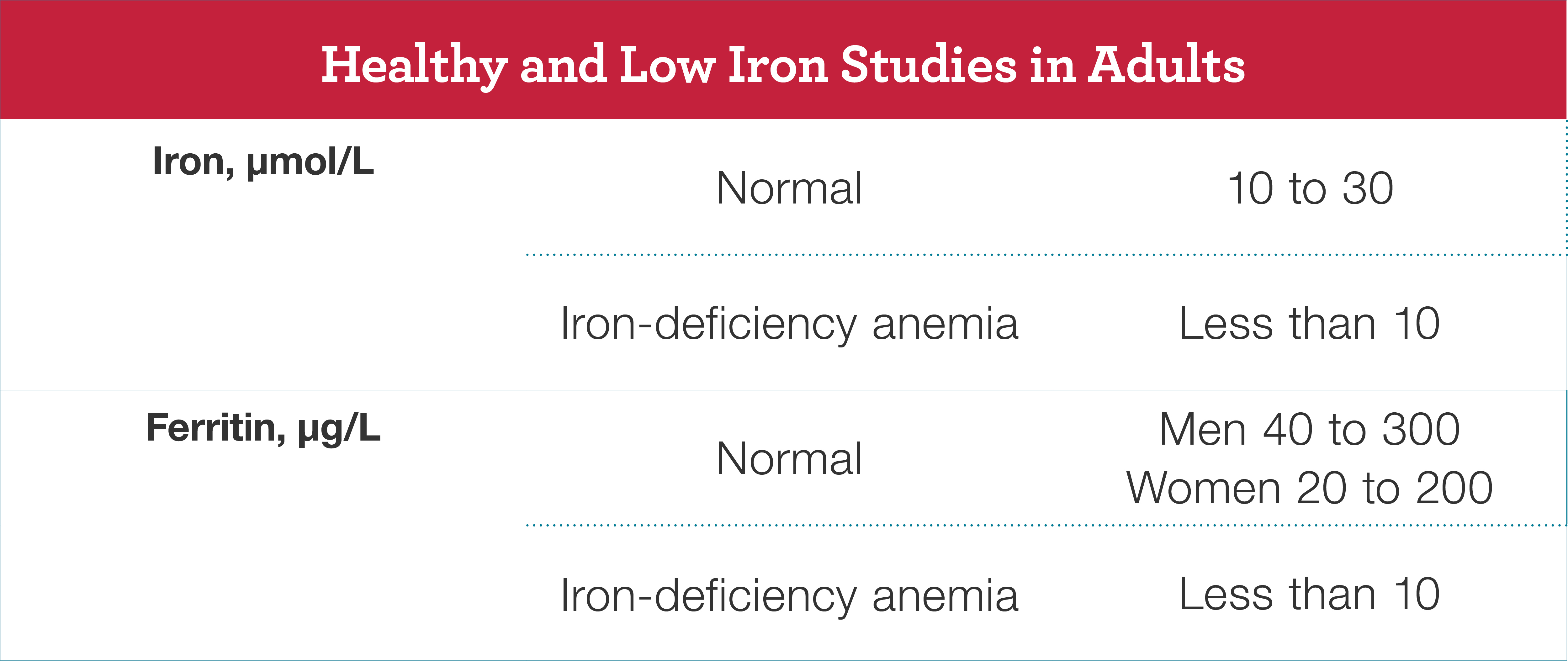
Blood tests provide the most definitive answer to whether iron pills are working. Key markers your doctor monitors include hemoglobin (oxygen-carrying protein), hematocrit (red blood cell volume percentage), and ferritin (stored iron). Hemoglobin and hematocrit typically show improvement first, often rising within two to four weeks, while ferritin rises more gradually as your body rebuilds reserves.
A hemoglobin increase of at least one gram per deciliter after four weeks indicates effective supplementation. Most people achieve normal hemoglobin levels within eight to twelve weeks of consistent treatment. Ferritin should rise above 30 ng/mL to indicate adequate stores, though many practitioners prefer levels above 50-100 ng/mL for optimal health. Request copies of your lab results and track them over time—watching these numbers trend upward provides concrete evidence that your iron pills are working.
Distinguish Side Effects From Treatment Effectiveness
Iron supplements commonly cause side effects that don’t necessarily indicate treatment effectiveness. Gastrointestinal issues like constipation, nausea, and dark stools affect many users but often improve as your body adjusts. Crucially, the presence or absence of side effects doesn’t correlate with how well the iron is working—some people experience no side effects yet see excellent results.
Manage constipation through hydration, dietary fiber, and movement. Some find taking iron with food reduces absorption slightly but eliminates discomfort, while others benefit from alternate-day dosing which may improve absorption while reducing side effects. Never stop taking iron supplements without consulting your doctor, even if side effects bother you—discuss management options instead.
Know When to Consult Your Healthcare Provider
Certain situations require professional evaluation rather than patience. If you notice no symptom improvement after four to six weeks of consistent supplementation, your body may not be absorbing the iron properly, you may need a higher dose, or iron deficiency may not be your only issue. Lack of laboratory improvement after eight to twelve weeks warrants investigation into potential malabsorption, ongoing blood loss, or incorrect diagnosis.
Worsening symptoms despite supplementation also require medical attention. While improvement should be gradual, you shouldn’t feel progressively worse. New or worsening symptoms could indicate an unrelated condition, an adverse supplement reaction, or progression of whatever caused your iron deficiency. Always communicate openly with your healthcare provider about your symptoms, timeline, and concerns.
Optimize Iron Absorption for Better Results
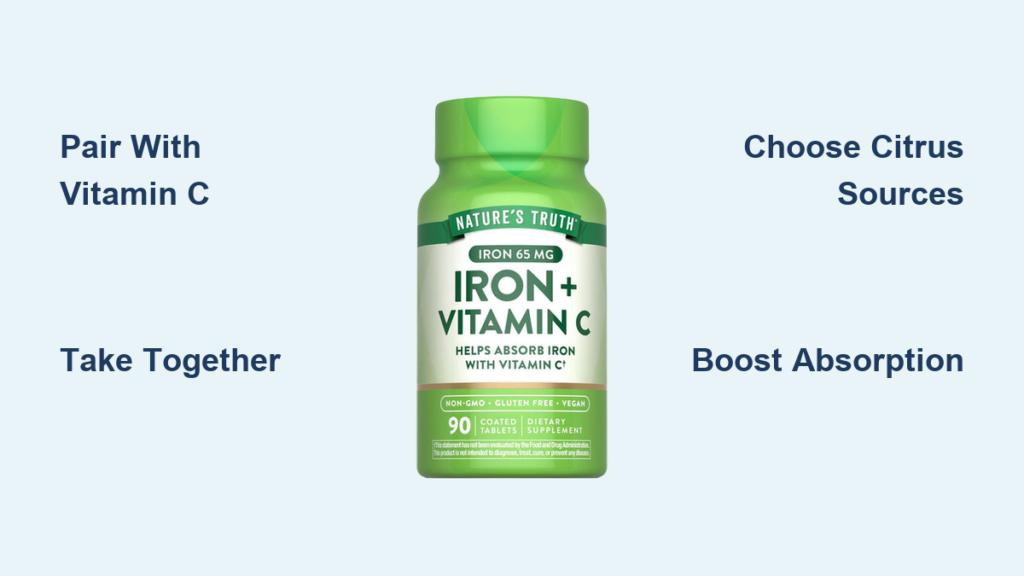
How you take your iron pills significantly affects their effectiveness. Iron absorbs best on an empty stomach, though this often causes gastrointestinal discomfort. If taking iron with food is necessary, avoid dairy products, coffee, tea, or calcium supplements within two hours of your dose, as these inhibit absorption. Taking your iron with vitamin C-rich foods like orange juice can double or triple absorption.
The form of iron matters too. Ferrous iron salts (ferrous sulfate, ferrous gluconate, ferrous fumarate) are generally most effective, though individual responses vary. If you’re struggling with side effects or poor response, discuss alternative formulations with your pharmacist. Some people find liquid or slow-release options cause less discomfort while still providing adequate iron.
Maintain Your Progress Through Long-Term Strategies
Successfully treating iron deficiency requires addressing the underlying cause and maintaining adequate levels. If dietary insufficiency caused your deficiency, sustainable dietary changes prevent recurrence. If heavy menstrual bleeding was the culprit, working with your doctor to manage this condition is essential. Understanding why you became deficient helps prevent future episodes.
Your doctor will likely recommend continuing supplementation for three to six months after blood values normalize to fully replenish ferritin stores. Some people can maintain adequate iron through diet alone, while others with ongoing risk factors benefit from continued low-dose supplementation. Never self-prescribe long-term iron without medical guidance—excess iron can accumulate in organs and cause damage over time. Regular monitoring through blood tests helps catch recurrence early, before symptoms become severe.
Final Takeaway: Iron supplementation success requires patience and observation. Track your energy improvements, physical changes, and lab results while working closely with your healthcare provider. Recognize that feeling better takes time—most people need consistent supplementation for several months before fully recovering. By understanding the signs that your iron pills are working and when to expect them, you can navigate your recovery journey with confidence rather than uncertainty.