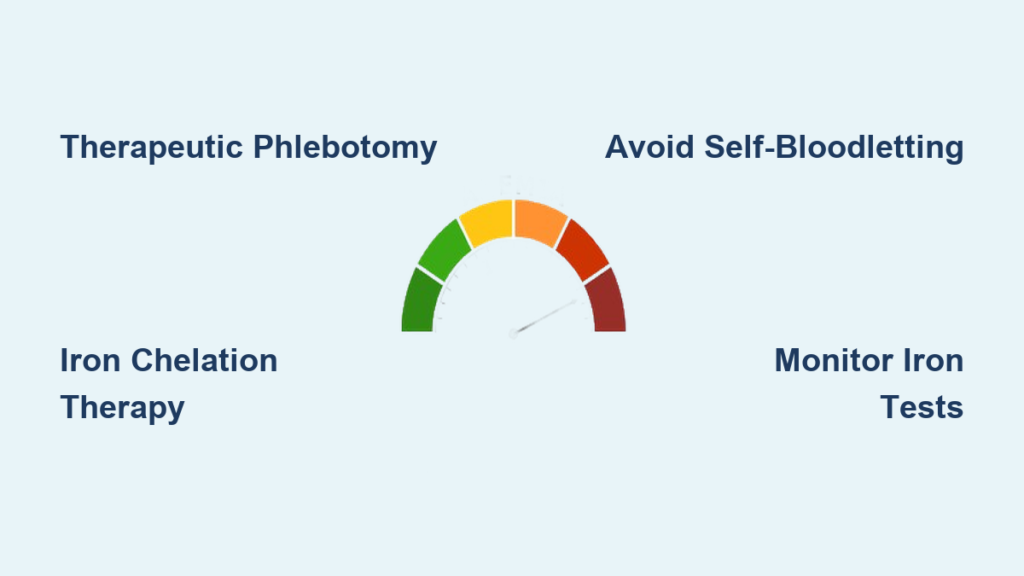
Excess iron in your bloodstream isn’t just uncomfortable—it can lead to serious health complications including organ damage, diabetes, and heart problems. If you’ve recently received blood test results showing elevated iron levels, you’re likely searching for immediate solutions. Understanding how to lower iron levels quickly is crucial, but must be done under medical supervision to avoid dangerous consequences. This guide explains the medically-approved methods healthcare professionals use to address high iron levels safely and effectively, while emphasizing why self-treatment can be extremely hazardous.
High iron levels, known medically as hemochromatosis or iron overload, affect approximately 1 in 200 people in the United States. When left untreated, this condition can silently damage your liver, heart, and pancreas over time. The most important thing to understand is that rapidly lowering iron levels requires professional medical intervention—there are no safe, proven home remedies that can quickly reduce dangerously high iron. Attempting to self-manage this condition could lead to iron deficiency, which carries its own serious health risks including anemia and fatigue.
Why Medical Guidance Is Non-Negotiable for Iron Reduction
Understanding the Dangers of Self-Treating High Iron Levels
Attempting to lower iron levels without medical supervision can cause severe complications. Iron plays a critical role in oxygen transport and energy production, and dropping levels too quickly can trigger dizziness, weakness, and even heart problems. The body maintains iron balance through complex mechanisms, and disrupting this balance without professional guidance can create new health crises while attempting to solve the original problem.
How Doctors Diagnose Iron Overload Severity
Your healthcare provider will determine your specific treatment plan based on comprehensive testing including serum ferritin levels, transferrin saturation percentage, and possibly genetic testing for hereditary hemochromatosis. These measurements help determine whether you have mild elevation that might be managed with dietary adjustments, or severe overload requiring immediate medical intervention. Never attempt aggressive iron reduction without these critical diagnostic measurements.
Medically-Approved Methods to Lower Iron Levels
Therapeutic Phlebotomy: The Gold Standard Treatment
Therapeutic phlebotomy—the medical term for controlled blood removal—is the primary treatment for iron overload and the most effective way to lower iron levels quickly under medical supervision.
How Phlebotomy Works to Reduce Iron
During therapeutic phlebotomy, a healthcare professional removes a specific amount of blood (typically 450-500 mL) at regular intervals. Since each unit of blood removed contains approximately 200-250 mg of iron, this process gradually depletes excess iron stores. The frequency of treatments varies based on your initial iron levels—those with severe overload might require weekly sessions, while others may need bi-weekly appointments.
What to Expect During Treatment Sessions
Before each session, your healthcare provider will check your hemoglobin levels to ensure they’re safe for blood removal. The procedure itself resembles donating blood but is performed in a clinical setting with medical oversight. Most patients experience minimal discomfort beyond the initial needle insertion. Your doctor will monitor your progress through regular blood tests until your iron levels reach the target range.
Iron Chelation Therapy for Non-Phlebotomy Candidates
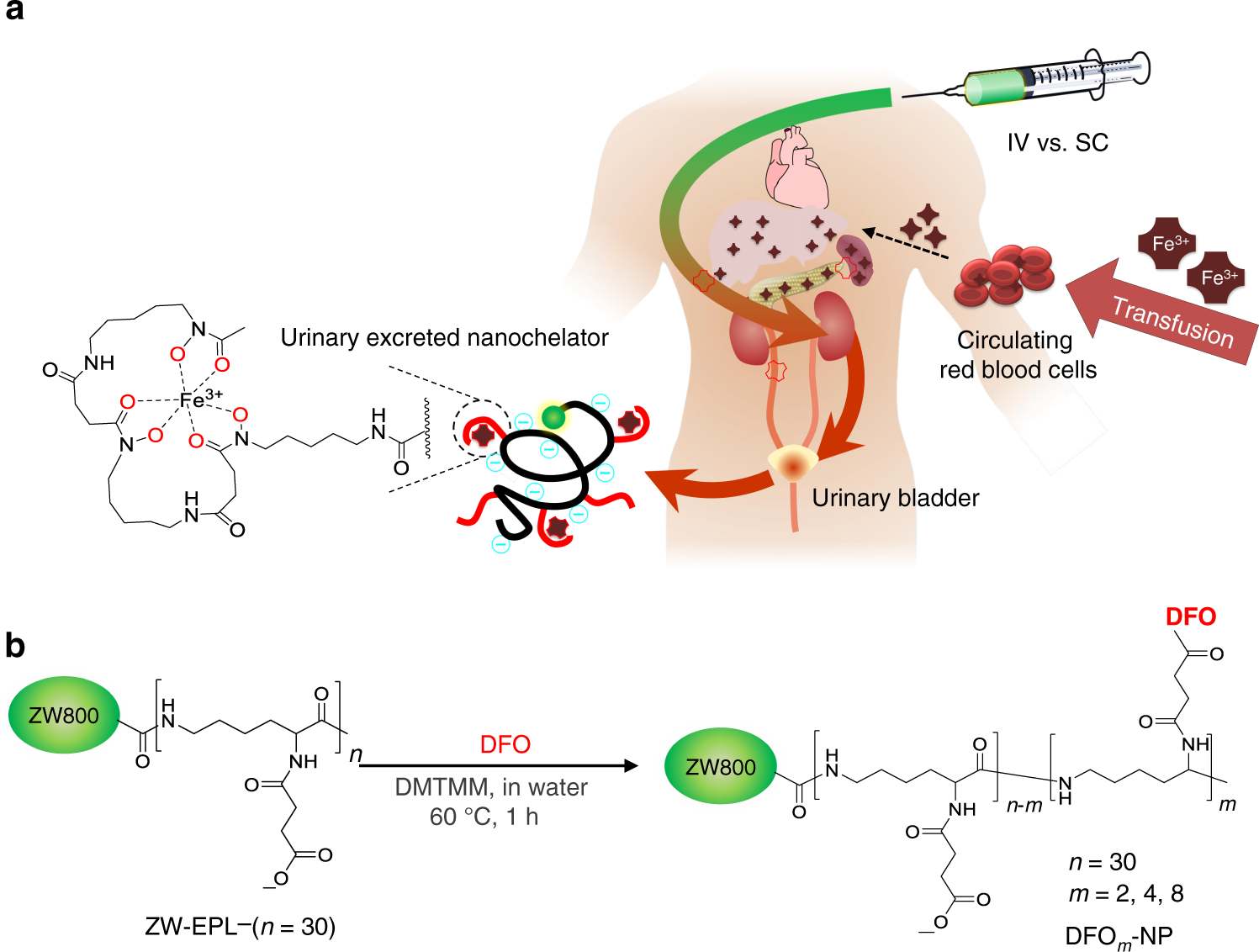
When phlebotomy isn’t appropriate—typically for patients with anemia or certain heart conditions—doctors may prescribe iron chelation therapy as an alternative method to lower iron levels quickly.
How Chelation Medications Work
Chelating agents like deferoxamine, deferasirox, or deferiprone bind to excess iron in your bloodstream, allowing your body to eliminate it through urine or feces. These medications require careful dosing and monitoring by a specialist, as improper use can cause kidney damage, hearing loss, or other serious side effects.
Monitoring During Chelation Treatment
Patients on chelation therapy require regular blood and urine tests to monitor kidney and liver function, plus periodic hearing and vision exams depending on the specific medication. Your doctor will adjust your dosage based on these test results to ensure you’re lowering iron levels safely without causing deficiency.
Dietary Approaches to Support Medical Treatment
Foods That Naturally Inhibit Iron Absorption

While dietary changes alone cannot quickly lower dangerously high iron levels, certain foods can complement medical treatment by reducing additional iron absorption.
Incorporating Iron-Blocking Nutrients
Calcium-rich foods like dairy products, fortified plant milks, and leafy greens can inhibit both heme and non-heme iron absorption when consumed with iron-rich meals. Polyphenol-containing beverages such as tea and coffee (particularly black and green varieties) significantly reduce iron absorption—drinking these between meals rather than with meals provides maximum benefit without compromising nutrition from other foods.
Strategic Meal Timing for Iron Management
Separating iron-rich foods from absorption enhancers like vitamin C can help moderate iron uptake. For example, avoid drinking orange juice with iron-fortified breakfast cereal. Instead, consume vitamin C-rich foods at different meals to maintain overall nutrition while managing iron levels.
Foods to Limit During Iron Reduction Treatment

Your doctor may recommend temporarily reducing consumption of certain foods while actively lowering your iron levels.
High-Iron Food Considerations
Red meats (beef, lamb, venison) contain heme iron, which your body absorbs more efficiently than non-heme iron from plant sources. While you shouldn’t eliminate protein, your healthcare provider might suggest temporarily substituting some red meat servings with poultry or fish. Iron-fortified cereals and grains also contribute significantly to daily iron intake and may require temporary reduction during aggressive iron-lowering treatment.
Hidden Iron Sources to Monitor
Many processed foods contain added iron that isn’t immediately obvious. Check labels on breads, pastas, and breakfast cereals. Some cooking methods also increase iron content—using cast iron cookware can transfer significant amounts of iron into acidic foods like tomato sauce.
What NOT to Do When Trying to Lower Iron Levels
Dangerous “Quick Fix” Methods to Avoid
The internet abounds with dangerous suggestions for rapidly lowering iron that could seriously harm your health.
The Risks of Self-Administered Bloodletting
Some websites suggest at-home blood removal techniques, which are extremely dangerous and can lead to infection, excessive blood loss, and circulatory collapse. Therapeutic phlebotomy must occur in a medical setting with proper equipment and professional monitoring of vital signs.
Supplement Dangers for Iron Reduction
Certain supplements claim to “chelate” iron but lack proper regulation and dosage controls. Taking unregulated chelating agents can cause severe mineral imbalances, kidney damage, and neurological problems. Only use FDA-approved chelation medications under direct physician supervision.
Maintaining Healthy Iron Levels After Initial Reduction
Transitioning to Maintenance Treatment
Once your iron levels reach the target range, your treatment plan will shift from aggressive reduction to maintenance.
Personalized Maintenance Schedules
Your doctor will determine your ongoing phlebotomy schedule based on how quickly your iron levels rebound. Some patients require quarterly treatments, others biannually. Regular monitoring prevents both iron overload recurrence and the development of iron deficiency.
Long-Term Dietary Management
After reaching target iron levels, you’ll transition to a balanced approach that maintains healthy iron without requiring extreme restrictions. Your healthcare provider may recommend periodic dietary adjustments based on your ongoing blood work results.
When to Seek Immediate Medical Attention
Recognizing Symptoms of Iron Overload Complications
Certain symptoms require urgent medical evaluation as they may indicate organ damage from prolonged iron overload.
Critical Warning Signs
Unexplained joint pain, abdominal discomfort, fatigue that doesn’t improve with rest, and irregular heartbeat could signal developing complications from iron overload. Bronze or gray skin discoloration represents advanced iron deposition in the skin and requires prompt medical assessment.
Emergency Indicators
Severe abdominal pain, chest pain, or sudden shortness of breath could indicate acute organ damage requiring immediate emergency care. Never wait to see if these symptoms resolve on their own.
Working Effectively With Your Healthcare Team
Preparing for Your Iron Management Appointments
Maximize your medical appointments by coming prepared with specific information your doctor needs.
Essential Information to Track
Maintain a log of your symptoms, dietary changes, and any side effects from treatment. Note the dates and results of recent blood tests if you’ve had them done elsewhere. Track your energy levels throughout the day as iron fluctuations can cause noticeable patterns.
Questions to Ask Your Doctor
Prepare specific questions about your treatment timeline, expected milestones, and how to recognize potential complications. Understanding your personalized treatment goals helps you actively participate in your care.
Final Note: Lowering iron levels quickly requires professional medical intervention—there are no safe shortcuts. Therapeutic phlebotomy remains the most effective, evidence-based approach for rapidly reducing dangerously high iron levels under medical supervision. While dietary adjustments can support your treatment, they cannot replace medically necessary interventions. Always work with a healthcare provider specializing in iron disorders to develop a personalized treatment plan that safely addresses your specific condition. Regular monitoring ensures you achieve optimal iron levels without risking deficiency or other complications. Your health is too important to trust to unverified internet advice—partner with medical professionals who can guide you through this process safely and effectively.