
There’s nothing quite like the satisfying sizzle when Jiffy cornbread batter hits a scorching hot cast iron skillet. That distinctive sound signals the beginning of magic—where a simple boxed mix transforms into golden, crispy-edged cornbread that outshines any from-scratch version. When you master the technique of baking Jiffy cornbread in cast iron, you unlock consistently perfect results with minimal effort. The skillet’s superior heat retention creates that signature crunchy perimeter while keeping the center beautifully moist, delivering texture contrasts that make every bite irresistible.
This method bridges convenience and tradition, giving you restaurant-quality cornbread in under 30 minutes with just a few pantry staples. Whether you’re preparing a quick weeknight side, bringing a dish to a family gathering, or craving that comforting Southern staple, understanding the precise steps for cast iron preparation and baking ensures flawless results every time. Follow this guide to discover why your Jiffy cornbread will never be the same once you switch to cast iron.
Select Your Ideal Cast Iron Skillet Size
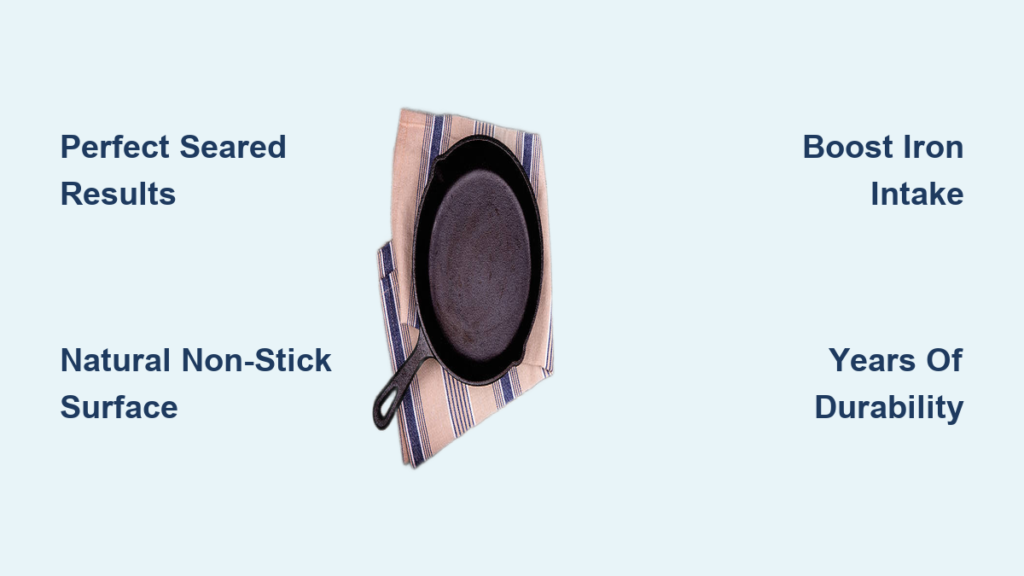
Choosing the right skillet dimensions directly impacts your cornbread’s texture and cooking time. A 10-inch cast iron skillet delivers the perfect balance for standard Jiffy cornbread mix, creating those coveted crispy edges while ensuring even cooking throughout. This size accommodates the entire box of mix without overcrowding or spreading too thin—both of which compromise texture.
If you’re cooking for just one or two people, an 8-inch skillet works beautifully for creating a thicker, more cake-like cornbread with an even higher edge-to-center ratio. For larger gatherings, upgrade to a 12-inch skillet and double your ingredients—though be prepared to extend baking time by 3-5 minutes to ensure the center cooks through without burning the perimeter.
Consider your skillet’s age and seasoning when selecting. Well-seasoned older skillets provide superior non-stick properties right from the start, while newer skillets might require extra oil during preheating. Thicker-bottomed vintage skillets distribute heat more evenly than thinner modern versions, reducing hot spots that cause uneven browning.
Heat Your Cast Iron to Sizzling Temperature
Skipping proper skillet preheating guarantees disappointing cornbread with soft edges and potential sticking issues. Place your empty skillet in a cold oven, then set the temperature to 400°F—this gradual heating prevents warping and ensures uniform temperature distribution. Allow 20-25 minutes for the skillet to reach proper temperature, as cast iron heats slower than other materials.
Once fully preheated, carefully remove the smoking-hot skillet using heavy-duty oven mitts. Add 1-2 tablespoons of high-smoke-point oil—vegetable, canola, or bacon grease all work exceptionally well. Swirl the oil until it coats the bottom and climbs 1-2 inches up the sides, watching for the telltale shimmer that indicates proper temperature. Return the oiled skillet to the oven for 3-5 additional minutes until the oil just begins to smoke.
This precise heating sequence creates three critical conditions: a non-stick surface for easy removal, immediate batter searing that forms crispy edges, and consistent heat transfer that ensures even cooking from edge to center. The sizzle you hear when adding batter confirms everything’s at the perfect temperature.
Combine Ingredients for Flawless Texture

Jiffy cornbread mix requires only three additional ingredients for basic preparation: one egg, 2/3 cup milk, and your preheated skillet with oil. Crack the egg into a medium mixing bowl first, then add the milk and whisk until fully combined—this prevents overmixing later. Pour in the entire box of Jiffy mix at once rather than gradually.
Stir with a silicone spatula using minimal strokes—just until dry ingredients disappear. Properly mixed batter should remain slightly lumpy with visible streaks of unincorporated mix. These pockets of dry ingredients actually contribute to the tender crumb texture during baking, while overmixing develops gluten that makes cornbread tough and dense.
For richer flavor, substitute buttermilk for regular milk and add one extra tablespoon of melted butter. If you prefer sweeter cornbread, incorporate 1-2 tablespoons of honey directly into the wet ingredients before adding the mix. Always mix add-ins like shredded cheese or diced jalapeños at the very end with just 2-3 gentle folds to avoid deflating the batter.
Bake Until Perfectly Golden and Set

The critical moment arrives when you pour batter into the smoking skillet—it should produce an immediate, vigorous sizzle throughout the pan. This reaction confirms proper skillet temperature and initiates the crust formation that defines great skillet cornbread. Return the filled skillet to the oven immediately, placing it on the center rack for even heat distribution.
Monitor closely starting at 15 minutes—your cornbread is done when a toothpick inserted in the center emerges with moist crumbs (not wet batter), and the top displays deep golden-brown coloring. The edges should visibly pull away from the skillet sides by about 1/8 inch, and the surface should spring back lightly when gently pressed in the center.
Overbaking causes dry, crumbly texture that falls apart when sliced, while underbaking leaves a gummy center. If your cornbread browns too quickly before the center sets, tent loosely with aluminum foil for the remaining baking time. Remember that residual heat continues cooking the cornbread after removal from the oven.
Rest Before Cutting for Clean Slices
Resist the temptation to cut into your cornbread immediately after baking—this critical resting period allows the structure to stabilize. Leave the cornbread in the skillet for 10-15 minutes on a heatproof surface, during which time the interior finishes setting through residual heat while the edges maintain their crispness.
During this time, the cornbread naturally pulls further away from the skillet sides, making removal easier. After resting, run a thin flexible spatula around the perimeter to ensure complete release before attempting to slice. Cutting too soon results in ragged edges and a center that collapses instead of holding its shape.
For perfect presentation, use a sharp chef’s knife dipped in hot water between cuts. This prevents sticking and creates clean lines through the tender crumb. Traditional triangular wedges work best for round skillets, while square skillets naturally divide into neat rectangles.
Avoid These Common Cast Iron Cornbread Mistakes

Many home cooks unknowingly sabotage their cornbread through preventable errors. The most frequent issue? Insufficient skillet preheating—adding batter to a lukewarm pan creates pale, soft-edged cornbread that sticks stubbornly to the surface. Always verify your skillet is properly preheated by checking for oil shimmer and smoke.
Overmixing batter ranks second among cornbread disasters. Stir until just combined—even if lumps remain—as excessive mixing develops gluten that turns tender cornbread into something resembling hockey pucks. Similarly, opening the oven door during the first 12 minutes of baking causes dangerous temperature fluctuations that can collapse the rising cornbread.
Using cold ingredients straight from the refrigerator isn’t inherently wrong, but letting mixed batter sit before baking reduces leavening effectiveness. And never cut cornbread too soon—waiting the full 10-15 minutes ensures clean slices rather than a gummy mess.
Store Leftovers for Maximum Freshness
Proper storage preserves your cast iron cornbread’s texture for future enjoyment. Cool completely at room temperature before wrapping tightly in aluminum foil—never plastic wrap, which traps moisture and accelerates mold growth. Stored this way, cornbread maintains quality for 2-3 days at room temperature.
For longer storage, slice into individual portions before wrapping each piece separately in foil, then place in a freezer bag. Frozen cornbread keeps well for up to three months. When reheating, wrap in foil and warm at 300°F for 10-12 minutes, then remove the foil for the final 2-3 minutes to restore crisp edges.
Microwaving might seem convenient but destroys the delicate texture balance—opt for oven or toaster oven reheating instead. The brief extra time required preserves what makes cast iron cornbread special: crispy edges with a tender, moist center that melts in your mouth.
Mastering Jiffy cornbread in a cast iron skillet transforms a simple boxed mix into something extraordinary through proper technique. The sizzle when batter hits the hot pan, the golden crust that forms instantly, and the tender interior that stays moist—these characteristics define authentic skillet cornbread. By preheating your skillet correctly, mixing batter with a light touch, and allowing proper resting time, you’ll consistently produce cornbread that earns compliments and requests for your “secret” method. Whether served alongside chili, fried chicken, or simply with butter and honey, this cast iron technique delivers perfect results with remarkable ease. The next time you reach for that familiar blue box, remember: the vessel makes all the difference, and your cast iron skillet holds the key to cornbread perfection.