There’s nothing quite as frustrating as spending precious morning minutes trying to roll hair with a curling iron only to end up with limp, uneven curls that disappear by lunchtime. Mastering the art of curling iron technique separates those who struggle daily from those who create salon-worthy styles in minutes. Proper rolling technique transforms your styling experience, turning what feels like a chore into a satisfying ritual that yields long-lasting, beautiful results. Whether you have fine, straight locks or thick, wavy hair, understanding how to roll hair with a curling iron correctly makes all the difference between frizzy disaster and red-carpet ready waves. This guide reveals professional techniques that work for all hair lengths and types, helping you achieve flawless curls without damaging your precious strands.
Select the Perfect Curling Iron Size for Your Desired Style
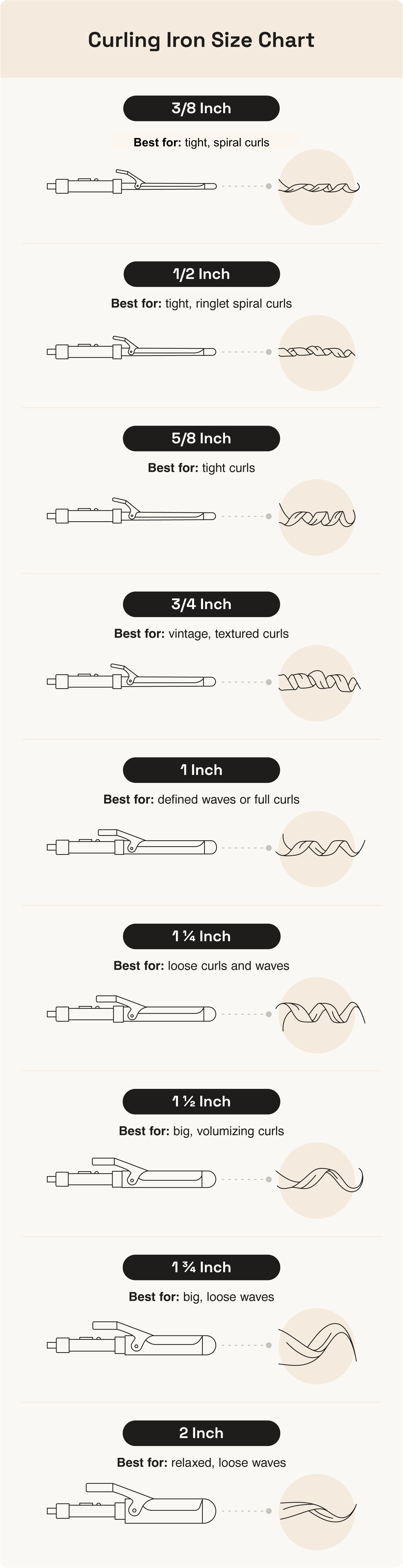
Choosing the right curling iron size directly determines whether your curls will look natural or helmet-like, and many beginners make the critical mistake of using a barrel that doesn’t match their hair length. For shoulder-length hair or shorter, a three-quarter inch barrel creates defined, bouncy curls that won’t overwhelm your face, while one-inch barrels work perfectly for collarbone-length hair, producing classic curls that fall gracefully around your jawline. If you have hair past your shoulders, opt for a one-and-a-quarter to one-and-a-half inch barrel to create soft, flowing waves rather than tight ringlets that look unnatural on longer lengths. The largest mistake I see is using too small a barrel on long hair—this creates an awkward transition where the ends look wispy while the roots appear bulky.
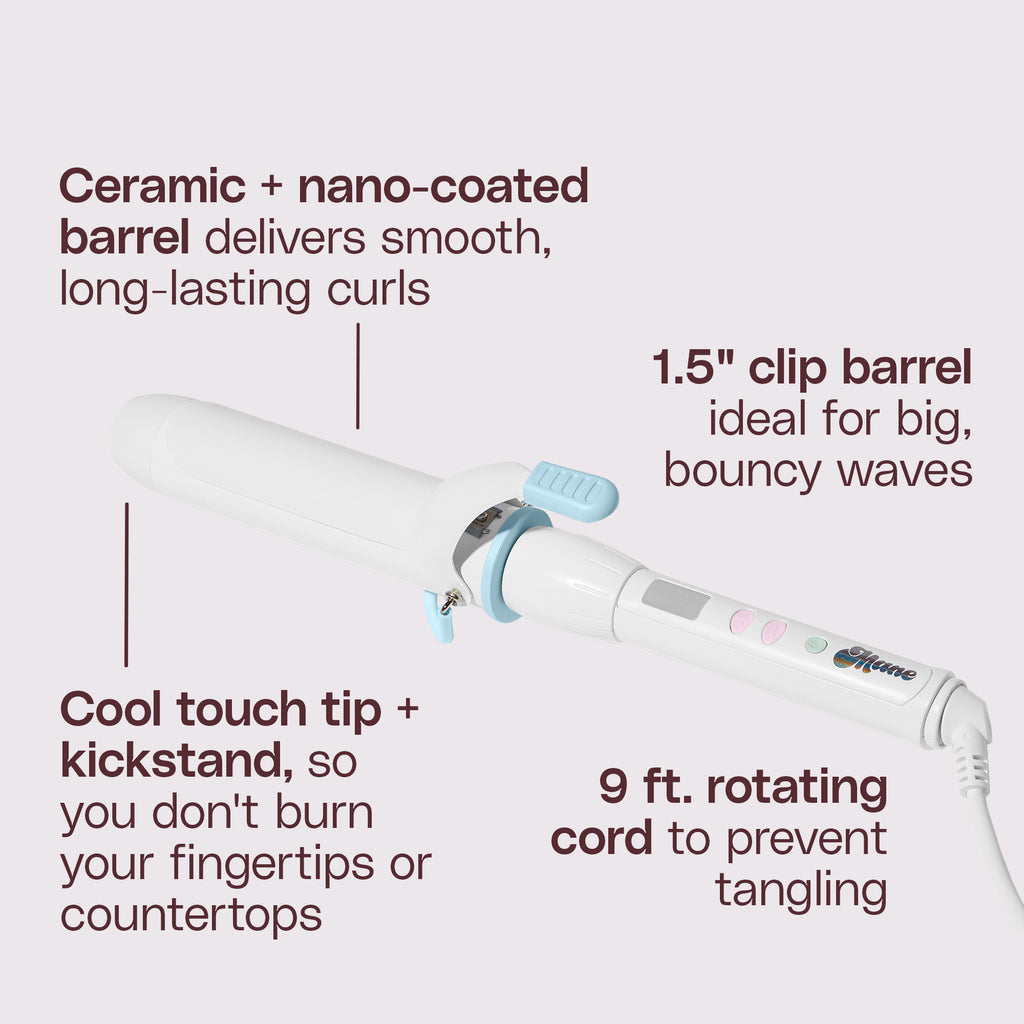
Barrel material matters just as much as size when learning how to roll hair with a curling iron effectively. Ceramic barrels provide even heat distribution that’s gentle on fine or damaged hair, preventing the hot spots that cause frizz and breakage. Tourmaline-infused barrels emit negative ions that seal the hair cuticle for incredible shine and humidity resistance—essential if you live in a damp climate where curls typically fall flat within hours. Titanium barrels heat up fastest and maintain temperature consistency, making them ideal for thick, coarse hair that resists curling at lower temperatures. Before purchasing, consider your hair’s thickness and texture: if you have fine hair that gets damaged easily, prioritize ceramic; for thick, stubborn hair, titanium might be worth the investment despite the higher price point.
Prep Hair for Long-Lasting Curls Before Rolling
Skipping proper preparation guarantees disappointing results when you roll hair with a curling iron, yet most home stylists rush through this critical phase. Start with hair that’s 80% dry—not dripping wet but not bone dry—as moisture helps the curl set while preventing unnecessary heat exposure. Apply a heat protectant from roots to ends, then follow with a lightweight mousse or curl-enhancing cream that provides hold without stiffness—this combination creates the perfect foundation for curls that last all day. Section your hair into four quadrants using professional styling clips, beginning with the bottom layers first since these are hardest to reach once you’ve started curling the top sections.
The thickness of each section dramatically impacts your final result when rolling with a curling iron. For tight, defined curls, take one-inch sections; for loose, beachy waves, use two-inch sections. Thinner sections create more precise curls but take longer, while thicker sections work faster but risk uneven results if your hair is particularly dense. Before rolling each section, run your fingers through it to remove any hidden tangles—this prevents snagging that causes frizz and inconsistent curl patterns. Professional stylists always emphasize that proper sectioning accounts for 50% of successful curling results, so take your time with this step even when you’re in a hurry.
Perfect the Vertical Rolling Technique for Natural-Looking Curls
The vertical rolling method produces the most natural-looking curls that frame your face beautifully, yet many beginners hold the curling iron horizontally which creates unnatural, uniform ringlets. Position the curling iron vertically with the clamp opening facing upward, then place a section of hair at the ends and roll upward toward your scalp while keeping tension consistent. This technique creates volume at the roots—a game-changer for fine hair that typically falls flat—and ensures each curl has a seamless transition from root to tip. Hold the iron in place for 8-12 seconds depending on your hair thickness, then release the clamp while keeping the curl wrapped around the barrel for another 5 seconds to set the shape.
Timing varies significantly based on your hair type when you roll hair with a curling iron. Fine hair typically needs only 5-8 seconds at medium heat (300-350°F), while thick, coarse hair may require 12-15 seconds at higher temperatures (375-400°F). The critical mistake many make is releasing the curl too soon—always count silently to ensure consistent timing. When releasing, open the clamp gently and slide the curl off the barrel without pulling, allowing it to fall naturally rather than forcing it in a specific direction. Let each curl cool completely before touching it; this cooling period allows the hair’s keratin structure to reset in its new shape, which is essential for long-lasting results.
Create Directional Variation for Realistic, Touchable Waves
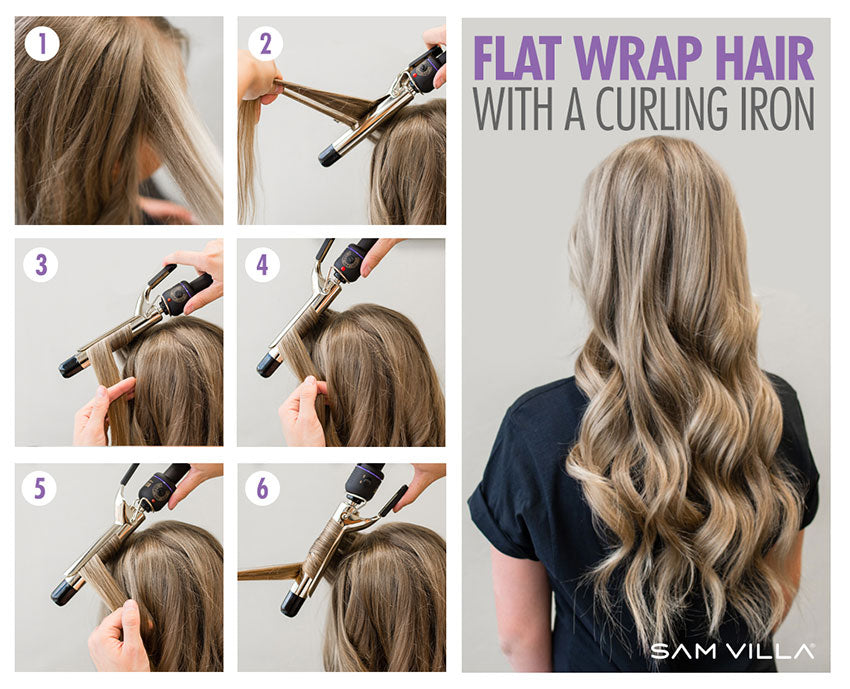
Professional stylists create believable, lived-in waves by alternating the direction in which they roll hair with a curling iron—a technique rarely mentioned in beginner tutorials. When working on the front sections near your face, roll some curls toward your face and others away to create dimension and prevent that “helmet head” appearance. For the crown area, alternate directions with every other curl to maximize volume and movement. The side sections benefit from all curls facing outward for a flattering, face-framing effect, while the back can alternate direction for added texture.
This directional variation technique works especially well for second-day hair that’s already somewhat textured. Instead of creating uniform curls, wrap sections randomly in different directions, then gently separate the curls with your fingers once cooled. For an instant beachy wave effect, wrap larger sections (two inches) away from your face, hold for just 5-7 seconds, then immediately run your fingers through the cooling curls to break them up. This method mimics how natural waves form and creates a style that looks effortlessly chic rather than meticulously styled. The key is to embrace imperfection—real hair doesn’t curl uniformly, so neither should your styling technique.
Troubleshoot Common Curling Iron Problems Immediately
When your curls fall flat within minutes of rolling hair with a curling iron, the culprit is usually insufficient cooling time or improper section size. If curls lose shape quickly, try smaller sections (three-quarters inch instead of one inch) and allow each curl to cool completely before touching—this gives the hair structure time to reset. For limp curls that won’t hold, increase your heat setting slightly or extend the holding time by 3-5 seconds, but never exceed your hair’s tolerance to prevent damage. Fine hair often needs product help; spray a light-hold hairspray on each section before curling to provide the necessary grip for curls to form properly.
Frizz is the enemy of beautiful curls and typically stems from two preventable issues when rolling hair with a curling iron. If your hair frizzes immediately upon contact with the iron, your heat protectant isn’t sufficient—upgrade to a professional-grade product that creates a proper barrier. For frizz that appears after curling, you’re likely releasing the curl too soon; the hair needs those extra seconds wrapped around the barrel to smooth the cuticle before cooling. Always finish with a shine serum applied only to the mid-lengths and ends—never the roots—as this seals the cuticle without weighing down your style. Remember that humidity affects all curls, so in damp conditions, use an anti-humidity spray before styling for longer-lasting results.
Extend Your Curl’s Life Through Smart Styling Habits
The secret to curls that last 24+ hours starts with how you roll hair with a curling iron and continues with strategic finishing techniques. After creating all your curls, gather your entire head of hair into a loose topknot while still warm—this allows the curls to set together in a compact shape that maintains definition longer. Once completely cooled (about 10 minutes), gently release the topknot and run your fingers through your hair to separate the curls. This method creates incredible volume at the roots while preserving curl definition throughout the length. For extra staying power, spritz each section with flexible-hold hairspray immediately after curling but before cooling.
When sleeping on styled curls, protect them with a silk scrunchie or bonnet to prevent friction that causes frizz and flattening. Silk pillowcases also help maintain curl integrity overnight without the damage caused by cotton pillowcases. For next-day revival, use a steam roller or low-heat curling iron on just the roots to refresh volume, then apply a curl refresher spray to the mid-lengths and ends. Never redo your entire style—this doubles your heat exposure and accelerates damage. Instead, focus on problem areas and use your fingers to reshape flattened sections. With these techniques, you’ll achieve professional-looking curls that maintain their beauty from morning until midnight with minimal touch-ups.
Mastering how to roll hair with a curling iron transforms your relationship with heat styling from frustrating to fulfilling. Start with the right iron for your hair type, prepare properly with heat protection and sectioning, and practice the vertical rolling technique with attention to timing and directional variation. Remember that perfect curls aren’t about uniformity but about creating movement and dimension that looks naturally beautiful. With consistent practice using these professional techniques, you’ll develop the muscle memory needed to create stunning styles in minimal time, protecting your hair’s health while achieving the looks you love. The journey from curling iron novice to confident stylist begins with understanding these fundamental rolling methods—your perfect curls await just one proper wrap at a time.