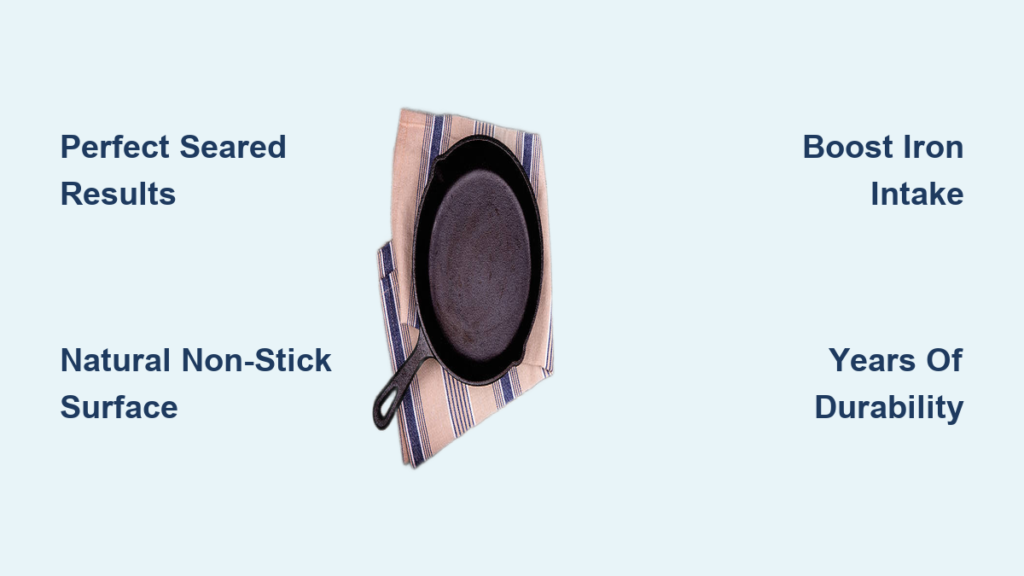
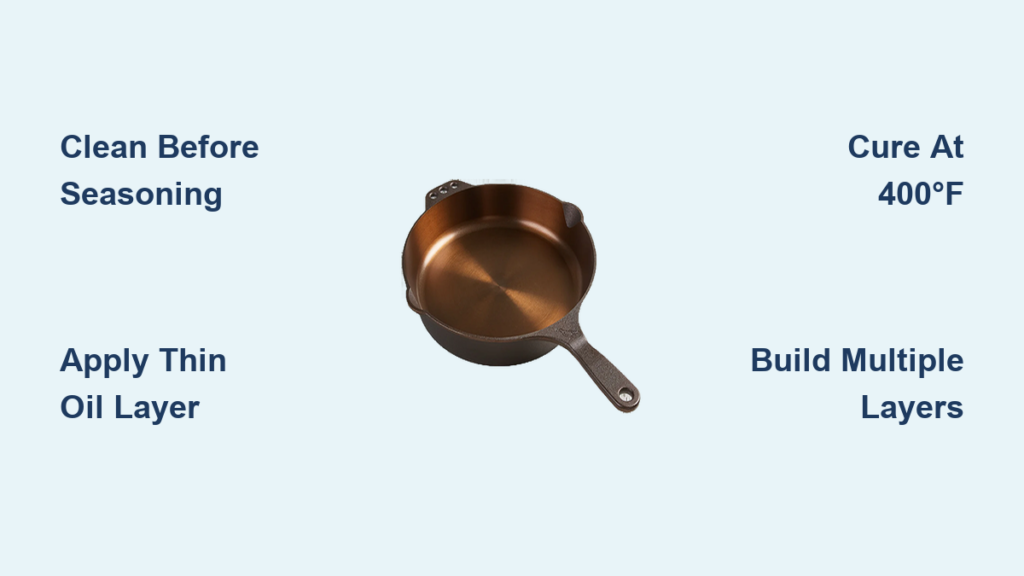
Your Smithey cast iron skillet sits beautifully on the stove, but that smooth, polished surface isn’t ready for cooking just yet. Unlike traditional rough-cast iron, Smithey pieces arrive with a remarkably smooth cooking surface that requires proper seasoning to unlock its full non-stick potential. Knowing how to season Smithey cast iron correctly transforms this premium investment into a natural non-stick powerhouse that improves with every use. Without proper seasoning, your pan remains vulnerable to rust and food will stubbornly cling to the surface, defeating the purpose of owning this exceptional cookware. Follow this precise guide to build a durable, glass-like seasoning that makes cooking eggs and delicate fish a genuine pleasure.
Why Your Smithey Cast Iron Requires Proper Seasoning
Seasoning creates a polymerized oil layer that chemically bonds to your Smithey’s iron surface through high-heat curing. This isn’t just a protective coating—it’s a transformative process where oil molecules cross-link and fuse with the metal, forming a slick, hydrophobic barrier. The smooth surface of Smithey cookware gives you an advantage over traditional cast iron: its refined texture allows oil to penetrate more effectively, requiring less oil for superior results. Without this essential step, your pan remains vulnerable to moisture damage and will disappoint when cooking delicate foods that demand true non-stick performance.
The Chemistry Behind Cast Iron Seasoning Success
Polymerization occurs when oil reaches its smoke point (typically 350°F+), triggering molecular changes that create a durable, cross-linked surface. This scientific process transforms liquid oil into a hard, protective layer that repels water and creates natural food release. Smithey’s polished surface means fewer microscopic pits for oil to penetrate compared to rough-cast iron, making proper oil application technique even more critical for achieving professional results.
Gather These Essential Seasoning Supplies Before Starting
Having the right materials ready prevents mid-process mistakes that compromise your seasoning results. The oil you select dramatically impacts the durability and quality of your finished surface, so choose wisely before beginning.
Best Oils for Professional-Quality Smithey Seasoning
Flaxseed oil creates the hardest, most durable finish but requires refrigeration after opening to prevent rancidity. Avocado oil (smoke point: 520°F) offers excellent results with wider availability at grocery stores. Grapeseed oil (smoke point: 420°F) provides reliable polymerization with neutral flavor. Avoid vegetable oils with low smoke points like olive oil or butter, which create sticky, uneven seasoning.
Must-Have Tools for Perfect Seasoning
- Lint-free cotton cloths or paper towels for oil application
- Wire cooling rack and baking sheet for oven curing
- Stiff nylon brush for cleaning
- Kosher salt for gentle scrubbing
- Oven mitts rated for high temperatures
Clean Your Smithey Pan Thoroughly Before First Seasoning
New Smithey cookware requires deep cleaning despite arriving relatively clean—manufacturing leaves behind protective oils that prevent proper seasoning adhesion. Skipping this step guarantees subpar results, no matter how carefully you apply oil later.
Step-by-Step Pre-Seasoning Wash
- Wash your pan with hot water and mild dish soap using a non-abrasive sponge
- Scrub all surfaces including cooking surface, sides, handle, and decorative elements
- Rinse thoroughly with hot water to remove all soap residue
- Critical step: Place the clean pan on medium burner heat for 2-3 minutes to eliminate all moisture
Pro tip: The pan should feel warm but not hot to the touch after drying—this slight warmth opens the iron’s pores for better oil absorption during seasoning.
Apply Oil in Microscopically Thin Layers for Best Results
:max_bytes(150000):strip_icc()/__opt__aboutcom__coeus__resources__content_migration__serious_eats__seriouseats.com__images__2016__09__20160817-cast-iron-pan-vicky-wasik-3-c56f176298784fef9e60f6cea198e0e4.jpg)
This is where 90% of home cooks fail when learning how to season Smithey cast iron. Excess oil creates sticky, uneven seasoning that ruins your cooking surface. The secret lies in applying less oil than you think necessary.
Perfect Oil Application Technique
- Pour one teaspoon of oil onto the cooking surface (for 10″ skillet)
- Spread evenly with a clean cloth using circular motions
- Immediately wipe away ALL visible oil with a dry section of cloth
- Continue wiping until the surface appears completely dry
Your goal: an invisible coating that looks dry but actually contains just enough oil for proper polymerization. Check for streaks or pooling under bright light before proceeding.
Cure Your Smithey Pan in Oven for Complete Polymerization
Proper oven curing transforms applied oil into durable seasoning through precise temperature control. This isn’t merely drying oil—it’s triggering the chemical reaction that creates your non-stick surface.
Oven Seasoning Process That Works
- Preheat oven to 400°F with rack in center position
- Place pan upside down on wire rack (prevents oil pooling)
- Position baking sheet on lower rack to catch drips
- Bake for exactly 60 minutes (no peeking—temperature fluctuations ruin results)
- Turn off oven and allow pan to cool completely inside (1-2 hours)
Warning: Opening the oven during curing releases smoke and disrupts the polymerization process, creating uneven seasoning that requires starting over.
Build Multiple Layers for Professional-Grade Seasoning
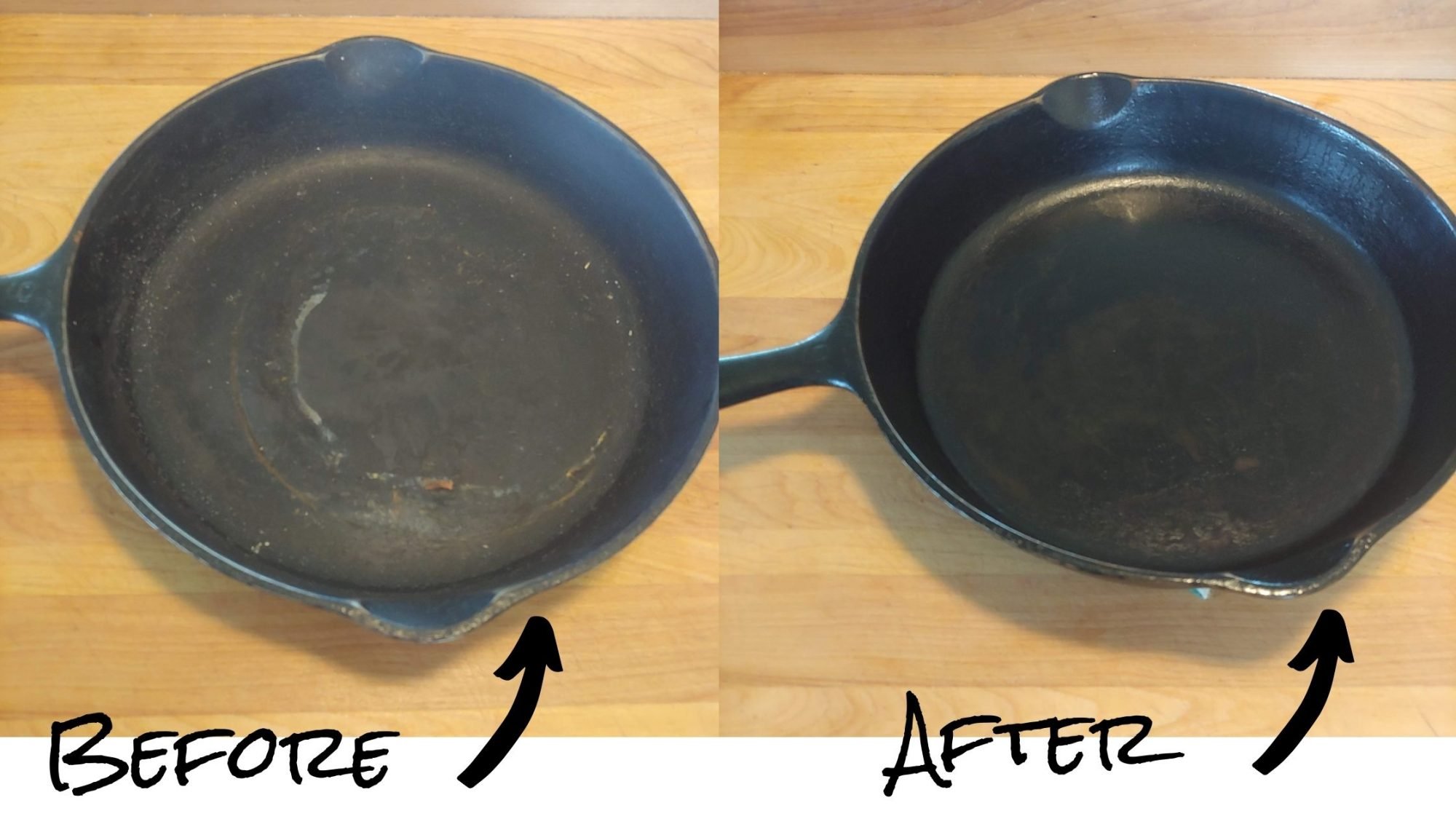
Single-layer seasoning provides basic protection but lacks the depth needed for true non-stick performance. Building multiple layers creates the cross-linked structure that makes Smithey cast iron exceptional.
Layer-Building Strategy That Delivers Results
- Apply 3-5 thin layers for optimal initial seasoning
- Allow pan to cool completely between layers
- Pro tip: Space layers over 2-3 days rather than completing all at once
- Assess each layer: Properly cured seasoning appears darker with subtle sheen
- If surface feels sticky, too much oil was applied—wash and restart
Time investment: Completing 3 quality layers requires about 4 hours total active time spread over 2-3 days. Rushing this process guarantees inferior results.
Maintain Your Smithey Seasoning Through Regular Use
The beauty of properly seasoned Smithey cast iron is that it improves with use—cooking oils naturally reinforce the seasoning layer with every meal. Smart maintenance preserves and enhances your hard-earned non-stick surface.
Post-Cooking Care Routine
- Cool pan slightly (but not completely) before cleaning
- Clean with hot water and stiff brush—never cold water on hot pan
- For stuck food: Use kosher salt as gentle abrasive or boil water 5-10 minutes
- Dry immediately with towel, then heat on burner 2-3 minutes
- Apply micro-thin oil layer while pan is still warm
Critical mistake to avoid: Storing your pan while even slightly damp—this causes rust that requires stripping and re-seasoning.
Fix These Common Seasoning Problems Immediately
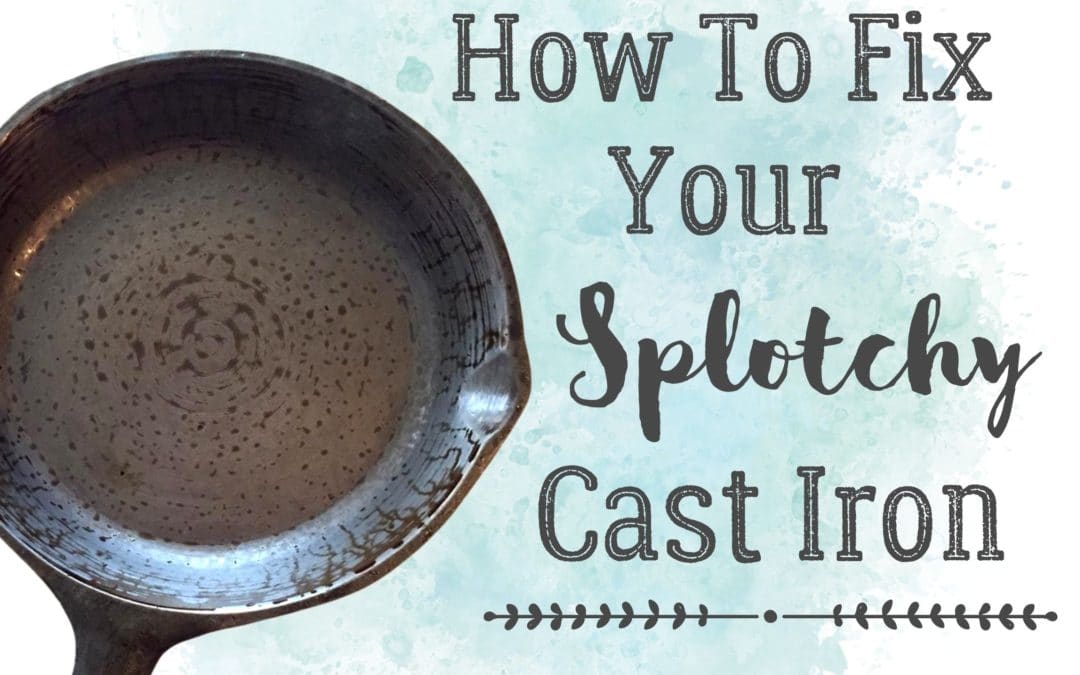
Even experienced cast iron users encounter issues. Addressing problems promptly prevents minor issues from becoming major restoration projects.
Sticky Seasoning Solution
This results from too much oil or inadequate heat during curing. To fix:
– Scrub sticky areas with hot water and brush
– Dry completely
– Apply micro-thin oil layer
– Cure at 400°F for 60 minutes
– Repeat if necessary
Uneven Coloring Correction
Indicates inconsistent oil application or oven hot spots:
– Ensure oil is applied in truly invisible layer
– Rotate pan 180° halfway through curing
– Verify oven temperature with independent thermometer
Rust Spot Emergency Protocol
Rust means moisture penetrated your seasoning:
– Scrub rust with steel wool and 1:1 water-vinegar solution
– Rinse thoroughly and dry completely
– Apply thin oil layer immediately
– Cure in oven 60 minutes at 400°F
– Evaluate storage practices to prevent recurrence
Store Your Smithey Cast Iron to Preserve Seasoning
Improper storage undoes all your seasoning efforts. The right storage technique protects your investment between uses.
Ideal Storage Conditions
- Store in cool, dry location with air circulation
- Place paper towel between stacked pans to absorb moisture
- Never store in humid cabinets or near sinks
- Apply thin oil layer before long-term storage
- In humid climates, store in oven with door slightly ajar
Pro tip: Check stored pans monthly for moisture buildup or rust spots—early detection prevents major restoration work.
Final Note: Mastering how to season Smithey cast iron properly creates a cooking surface that improves with every use, developing a natural non-stick quality that synthetic coatings can’t match. By following these precise techniques—applying micro-thin oil layers, curing at exact temperatures, and building multiple layers—you’ll transform your Smithey into a culinary heirloom that performs better with age. The initial investment of time pays dividends through decades of reliable cooking, with each properly maintained layer enhancing food release and protecting against rust. Start seasoning correctly today, and your Smithey cast iron will serve as your most trusted kitchen companion for generations.