Nothing ruins a cook’s day like reaching for your favorite cast iron skillet only to find it covered in rust. Proper cast iron storage isn’t just about saving cabinet space—it’s the critical factor determining whether your prized cookware stays perfectly seasoned or requires hours of restoration work. Millions of home chefs struggle with this exact problem after improperly storing their cast iron, only to discover orange spots and flaking seasoning weeks later. The solution lies in understanding that cast iron storage isn’t about finding a place to put your cookware—it’s about creating a protective environment that maintains your seasoning while blocking moisture, the number one enemy of cast iron.
When stored correctly, your cast iron develops better seasoning over time, cooking surfaces become naturally non-stick, and your investment lasts for generations. This guide reveals the exact storage techniques professional chefs and seasoned cast iron enthusiasts use to keep their cookware in pristine condition between uses. You’ll learn how to prepare your cast iron for storage, choose the ideal storage environment regardless of your kitchen layout, and implement organization systems that prevent damage while keeping your cookware ready for immediate use.
Clean and Dry Cast Iron Thoroughly Before Storage
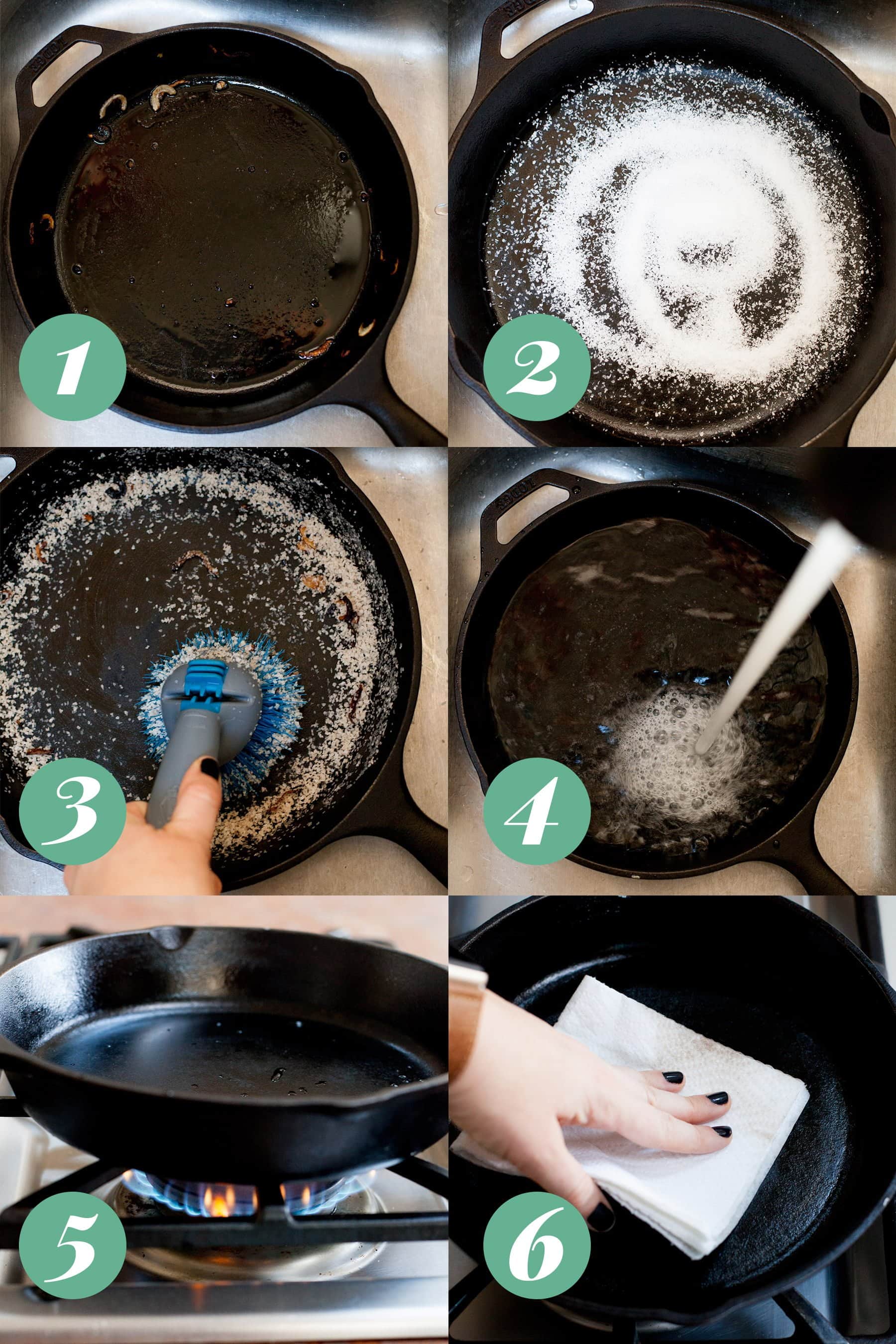
The moment you finish cooking determines how well your cast iron will store. Skipping proper cleaning and drying creates the perfect conditions for rust to develop during storage, undoing all your seasoning efforts.
Remove Food Residue While Cookware Is Warm
Never let food sit on cast iron overnight—those leftovers attract moisture that seeps beneath your seasoning. Clean while the skillet is still warm (not hot) using hot water and a stiff brush or chainmail scrubber. For stubborn bits, use coarse salt as a natural abrasive rather than harsh detergents that strip seasoning over time. Never soak cast iron in water, as prolonged exposure causes rust to form within hours. After cleaning, immediately dry with a clean towel, paying special attention to the handle crevices and cooking surface edges where moisture hides.
Apply Thin Oil Coating for Maximum Protection
After drying, apply a thin layer of high-smoke point oil like vegetable, canola, or flaxseed oil. Pour a teaspoon of oil on the surface, then use a paper towel to spread it evenly across all surfaces, including the handle and underside. The key is using less oil than you think you need—excess oil becomes sticky and attracts dust. Buff vigorously until the surface looks almost dry to the naked eye. This thin layer creates a moisture barrier that prevents oxidation while you store your cast iron.
Heat to Eliminate Hidden Moisture
Even after towel drying, microscopic moisture remains trapped in cast iron’s porous surface. Place your oiled cookware on a stovetop burner set to low heat for 3-5 minutes. Watch for the oil to stop shimmering, indicating all moisture has evaporated. This step is non-negotiable in humid climates where moisture penetrates deeper into the metal. Let the cookware cool completely to room temperature before storing—storing while warm traps condensation inside cabinets.
Store Cast Iron in Dry, Well-Ventilated Spaces
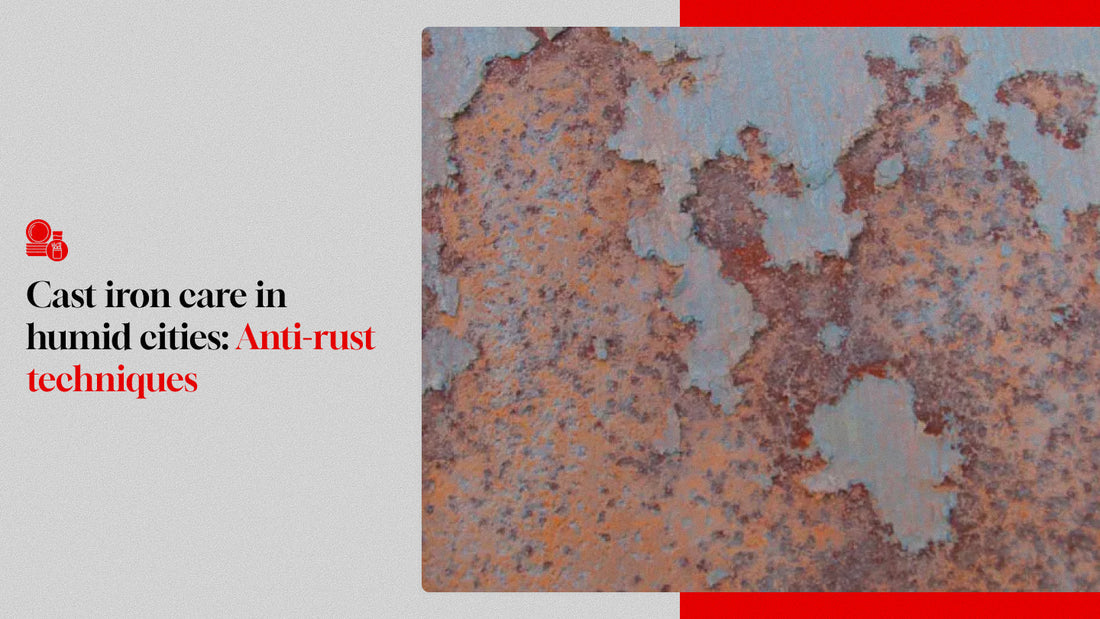
Where you store cast iron matters as much as how you prepare it. Humidity levels above 40% accelerate rust formation, making proper location selection essential for long-term preservation.
Avoid High-Moisture Storage Areas
Never store cast iron in basements, garages, or under sinks where humidity regularly exceeds 50%. These locations expose your cookware to moisture swings that cause rapid oxidation. Instead, choose interior pantry shelves, upper kitchen cabinets away from the dishwasher, or climate-controlled closets. In particularly humid environments, place silica gel desiccant packets (2-3 per cabinet) near your stored cast iron to absorb excess moisture—replace them monthly when they change color.
Ensure Proper Air Circulation Around Cookware
Stagnant air traps moisture against cast iron surfaces, creating perfect rust conditions. Never seal cast iron in airtight containers or plastic bags for extended periods. Opt for open shelving with at least 2 inches of space between pieces, or use breathable cotton storage bags instead of plastic. If stacking is necessary, always place a paper towel between pieces to absorb any residual moisture while allowing air movement.
Organize Cast Iron to Prevent Physical Damage
How you arrange stored cast iron determines whether your seasoning stays intact or gets scratched off during routine access.
Stack Cast Iron with Paper Towel Separation
When stacking skillets or Dutch ovens, place a single sheet of unbleached paper towel between each piece. This simple step prevents metal-to-metal contact that scrapes seasoning while absorbing any moisture that develops. Replace paper towels monthly during routine inspections, or immediately if they feel damp. For valuable vintage pieces, consider acid-free archival paper for maximum protection against chemical transfer.
Install Vertical Storage Solutions
Wall-mounted pot racks or freestanding vertical organizers keep cast iron accessible while eliminating stacking damage. Hang skillets by their handles with at least 1 inch between pieces for air circulation. For heavy Dutch ovens, use tiered shelf organizers with rubberized surfaces to prevent sliding. Never hang cast iron near the stove where temperature fluctuations and cooking steam accelerate oxidation.
Adjust Storage Methods Based on Usage Frequency

Different storage durations require specific protection strategies—daily use storage differs significantly from seasonal or long-term storage.
Daily and Weekly Storage Solutions
For regularly used pieces, store in an easily accessible cabinet with the cooking surface facing up. Apply oil after each use and store uncovered to allow air circulation. Keep your most frequently used skillet hanging near your stove for immediate access, but never store cast iron directly above the stove where heat and grease buildup degrade seasoning.
Seasonal Storage for Infrequently Used Pieces
Before storing specialty pieces like cornbread pans or waffle irons between seasons, apply two thin oil layers with 24 hours drying time between coats. Wrap in paper towel, then place in a cotton storage bag with a fresh desiccant packet. Store vertically if possible, and check monthly for moisture buildup—seasonal pieces stored improperly often develop rust within 6-8 weeks.
Long-Term Storage for Extended Periods
For cast iron stored longer than 3 months, use triple protection: multiple thin oil layers, paper towel wrapping, and breathable cotton storage. Place in the driest interior space available (under-bed storage often works well), adding extra desiccant packets. Inspect every 4-6 weeks and reapply oil if the surface looks dry or shows dust accumulation.
Implement Rust Prevention Strategies During Storage
Rust develops silently during storage, often becoming visible only after significant damage has occurred. Proactive prevention saves hours of restoration work later.
Identify Early Rust Indicators
Check stored cast iron monthly for subtle warning signs: slight orange discoloration along edges, rough patches on otherwise smooth surfaces, or seasoning that flakes when touched. Early-stage rust appears as tiny orange specks rather than full coverage—address these immediately before oxidation spreads beneath the seasoning layer.
Remove Rust Before Storage Damage Spreads
For surface rust, scrub with a paste of coarse salt and water using circular motions. Rinse thoroughly, then dry completely over low heat. Apply several thin oil layers, heating between coats to polymerize the oil. Never store cast iron with visible rust—even small spots will expand significantly during storage.
Maintain Your Storage System Long-Term
The best cast iron storage solution requires ongoing attention. Establish simple maintenance habits that prevent small issues from becoming major restoration projects.
Schedule Monthly Storage Checkups
Mark your calendar for the first of each month to inspect stored cast iron. Look for moisture accumulation, pest activity, or seasoning degradation. Rotate pieces so those stored longest get used first—regular cooking actually maintains seasoning better than perfect storage through natural heat cycles and oil absorption.
Refresh Protective Oil Layers Proactively
During inspections, check whether the oil layer appears dry or has absorbed dust. If the surface lacks its usual slight sheen, clean gently with a dry paper towel and reapply oil. Porous cast iron requires oil refreshing every 4-6 weeks in average home environments, more frequently in humid climates.
Your cast iron deserves storage solutions as thoughtful as your cooking. By implementing these specific, actionable techniques—thorough drying, strategic location selection, proper organization, and regular maintenance—you’ll keep your cookware ready for perfect cooking performance whenever inspiration strikes. Start with one improvement today: check your stored cast iron for moisture signs and apply a fresh oil layer if needed. That small action alone prevents the most common storage failure that turns beloved cookware into rusted disappointments. Your perfectly seasoned skillet awaits—store it right, and it will serve you delicious meals for decades to come.