There’s nothing quite like the taste of freshly pressed tortillas made with a traditional cast iron tortilla press. If your homemade tortillas are coming out uneven, sticking to the press, or lacking that authentic restaurant-quality texture, you’re not alone—many home cooks struggle with this essential kitchen tool. The right technique transforms your cast iron press from a frustrating piece of equipment into your secret weapon for authentic Mexican cuisine. In this guide, you’ll learn exactly how to properly prepare, use, and maintain your cast iron tortilla press to consistently produce perfect, restaurant-quality tortillas at home—whether you’re making corn or flour varieties.
Preparing Your Cast Iron Tortilla Press Before First Use

Seasoning Your New Cast Iron Tortilla Press
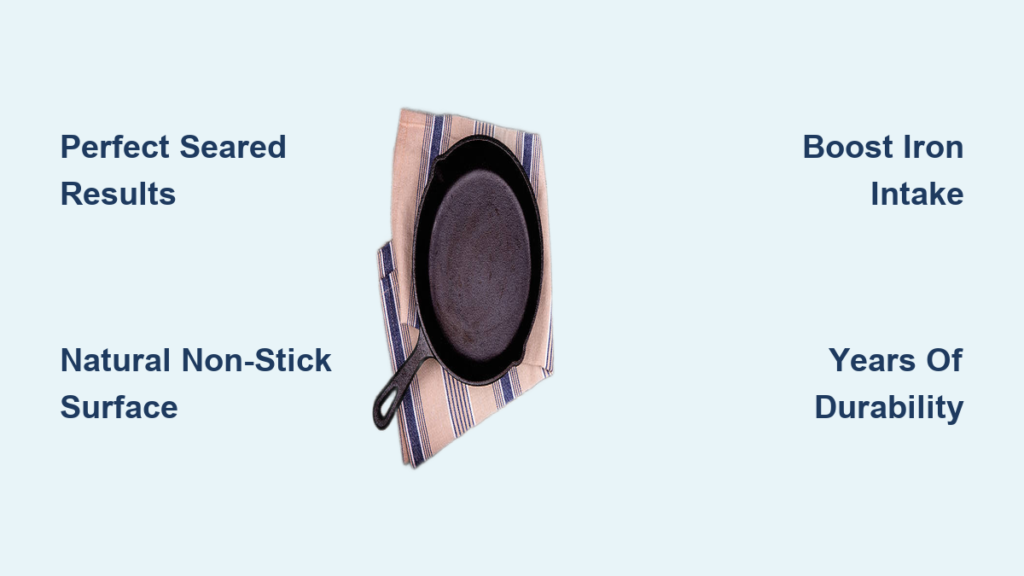
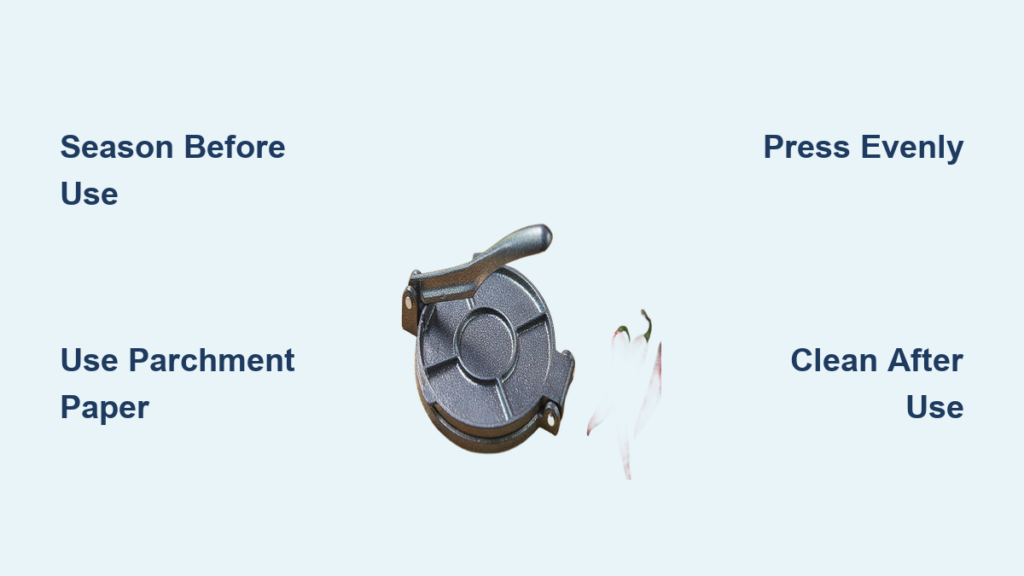
Unlike non-stick alternatives, your cast iron tortilla press requires proper seasoning to prevent rust and create a natural non-stick surface. Start by washing the press with warm water and a stiff brush to remove any manufacturing residues—never use soap as it strips away protective oils. Thoroughly dry the press with a clean towel, then place it on the middle rack of your oven. Apply a thin, even layer of vegetable oil or flaxseed oil to all surfaces, including the handles and screw mechanism. Bake at 375°F for one hour, then let it cool completely in the oven. Repeat this process 2-3 times for optimal seasoning before your first tortilla-making session.
Essential Safety Checks Before Pressing
Before using your seasoned press, inspect all components for potential hazards. Check that the handle screws are tight and the press plate moves smoothly without binding. Ensure the hinge mechanism operates freely—stiff movement can cause uneven pressure and potentially lead to hand injuries when pressing. Verify there are no sharp edges on the casting that could damage your work surface or hands. Always place your press on a stable, heat-resistant surface away from the edge of your counter to prevent accidental tipping during use.
Making Perfect Corn Tortillas with Your Cast Iron Press
Preparing the Right Dough Consistency
The secret to flawless pressed tortillas starts with properly hydrated masa harina dough. Mix 2 cups masa harina with 1½ cups warm water and ½ teaspoon salt until it forms a smooth, pliable ball that doesn’t crack when pressed. The dough should feel like soft playdough—not sticky to the touch but holding together without crumbling. If your dough sticks to your hands, add a bit more masa; if it cracks when rolled, add water a teaspoon at a time. Rest the dough covered with a damp cloth for 30 minutes before shaping balls—this hydration period is crucial for achieving the right texture when pressed.
Step-by-Step Pressing Technique for Uniform Tortillas
Roll your rested dough into 1½-inch balls, keeping them covered until ready to press. Place a ball in the center of the bottom plate, then cover it with a piece of parchment paper cut to the size of the press plates. Apply firm, even pressure by slowly lowering the handle—don’t slam it down. Press until you feel consistent resistance throughout the plate, then hold for 5-10 seconds before releasing. The ideal pressed tortilla should be 6-7 inches in diameter with uniform thickness (about 1/8 inch). If edges are thinner than the center, you’re not applying even pressure—practice lowering the handle at a consistent speed.
Troubleshooting Common Pressing Problems
Why are my tortillas sticking? This usually indicates insufficient parchment paper or dough that’s too wet. Always use fresh parchment between the tortilla and press plates, and ensure your dough isn’t overly hydrated. If sticking persists, lightly dust the parchment with masa harina before placing the dough ball.
Why are my tortillas uneven? Uneven pressure is the culprit. Check that you’re placing dough balls precisely in the center of the press and applying steady downward force. If your press has developed uneven wear, consider flipping the plates to distribute usage.
Why do my tortillas crack when cooking? This indicates dough that’s too dry or hasn’t rested sufficiently. Add small amounts of water to your masa mixture and allow extra resting time before pressing.
Creating Flawless Flour Tortillas with Your Cast Iron Press
Adjusting Technique for Flour Tortilla Dough
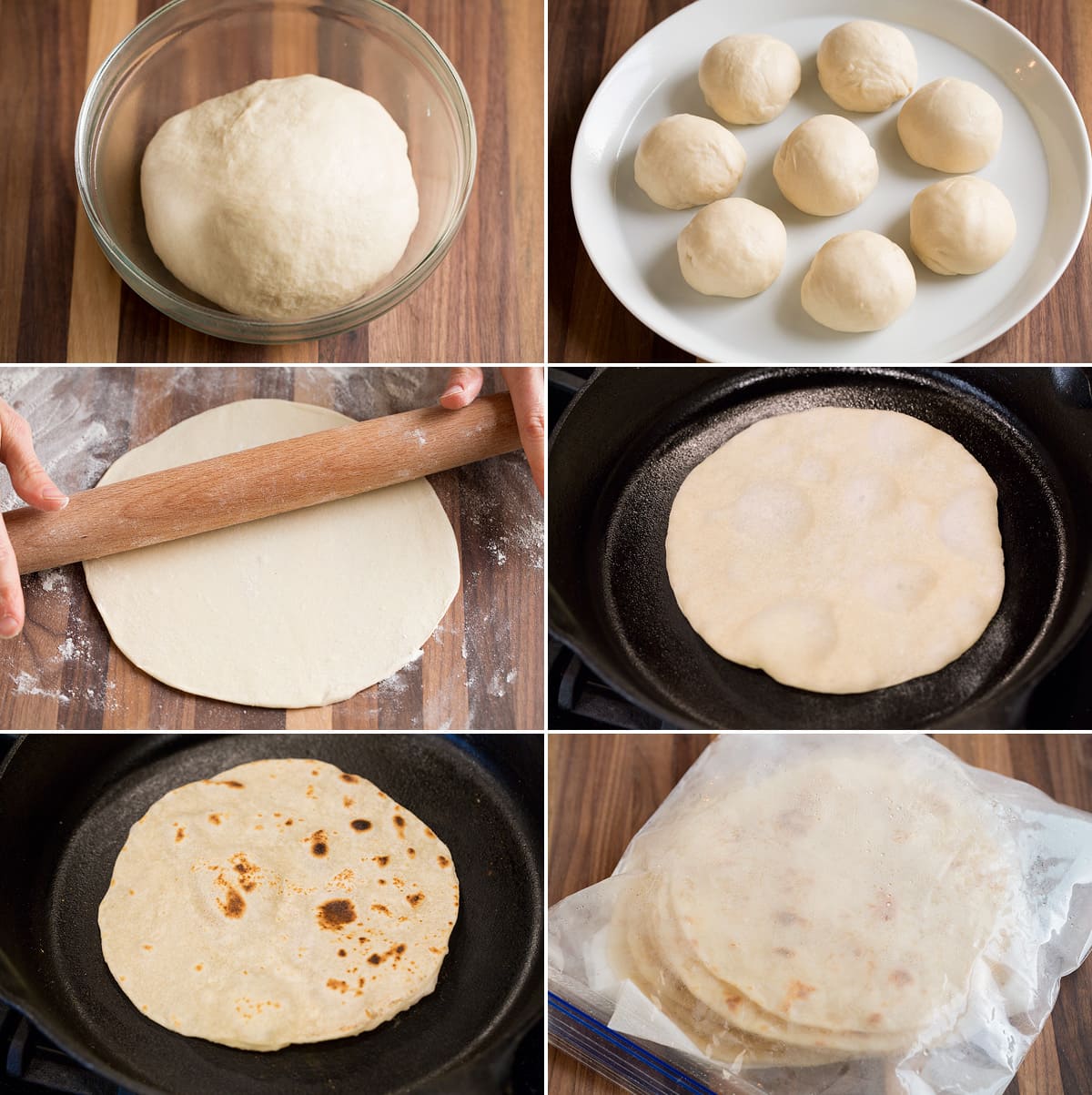
Flour tortilla dough requires different handling than corn masa. Your flour dough should be softer and more elastic—knead until smooth and supple, then rest covered for at least 20 minutes. Roll dough balls slightly larger (about 2 inches) since flour tortillas typically need more expansion during pressing. When placing the dough ball in the press, use plastic wrap instead of parchment paper for better release with the stickier flour dough.
Optimal Temperature Settings for Flour Tortillas
Unlike corn tortillas that cook immediately after pressing, flour tortillas benefit from a brief resting period. After pressing, let them sit for 2-3 minutes before cooking—this allows gluten to relax, preventing shrinkage during cooking. Heat your comal or skillet to medium (around 350°F)—too hot and they’ll brown before cooking through, too cool and they’ll dry out. Cook each side for 30-45 seconds until light golden spots appear, then wrap in a clean kitchen towel to steam slightly before serving.
Maintaining Your Cast Iron Tortilla Press for Longevity
Proper Cleaning After Each Use
Never soak your cast iron tortilla press or use harsh detergents. After pressing, wipe both plates with a damp cloth while still warm (not hot) to remove dough residue. For stubborn bits, use a soft brush with warm water—never steel wool or abrasive pads. Dry thoroughly with a clean towel, then apply a light coat of oil to all surfaces before storing. Pay special attention to the hinge mechanism and screw threads, ensuring no moisture remains in these areas where rust can develop.
Storage Best Practices to Prevent Damage
Store your press in a dry location with the plates slightly open to allow air circulation—never store it closed with paper or cloth trapped inside, as this can trap moisture. Place a folded paper towel between the plates if storing for extended periods to absorb any ambient humidity. Avoid stacking heavy items on top of your press, as this can warp the plates and affect future pressing performance.
Advanced Techniques for Professional Results
Achieving Restaurant-Quality Thickness Consistency
For perfectly uniform thickness, use the “two-ply parchment” method: place one sheet of parchment on the bottom plate, your dough ball, then another sheet on top. This creates even pressure distribution across the entire surface. Professional tortilla makers often place a small weight (like a can of beans) on the handle after initial pressing to maintain consistent pressure while the tortilla sets—this prevents spring-back that causes uneven thickness.
Time-Saving Workflow for Batch Preparation
Organize your workspace for maximum efficiency: position your dough bowl, parchment stack, press, and cooking surface in a logical sequence. Press 4-6 tortillas in succession before starting to cook them—this creates a production line that keeps your comal constantly working. Keep a damp kitchen towel nearby to quickly wipe the press plates between batches without cooling them down completely.
When to Consider Alternative Pressing Methods
Situations Where Your Cast Iron Press Isn’t Ideal
While versatile, cast iron presses have limitations. They’re not suitable for extremely wet doughs like arepas, which require specialized presses with deeper cavities. If you’re making very large tortillas (over 8 inches), consider using a manual rolling technique instead, as cast iron presses have size limitations based on plate diameter. For gluten-free alternatives with high moisture content, a press with adjustable pressure might work better than traditional cast iron.
Final Tips for Tortilla Press Mastery
Always preheat your cast iron press slightly by placing it near your cooking surface before use—warm plates prevent dough from sticking. Keep your parchment paper cut to precise size (slightly larger than the plates) for quick, consistent placement. Store your masa harina in the refrigerator for up to 3 months to maintain freshness, as stale masa produces inferior tortillas regardless of pressing technique. Most importantly, practice consistently—your tenth batch will show dramatic improvement over your first as you develop the right touch for even pressure application.
When stored properly and maintained with regular seasoning, your cast iron tortilla press will last for generations, becoming a cherished family kitchen tool. The slight learning curve pays off exponentially in authentic flavor and texture that store-bought tortillas can’t match. Start with small batches, focus on consistent dough preparation, and soon you’ll be pressing perfect tortillas with the confidence of a seasoned taquero.