Nothing beats the versatility of your flat iron for creating stunning waves without damaging your hair. While many think of flat irons as straightening tools only, mastering the wave technique transforms your styling routine completely. Whether you’re preparing for a special occasion or want everyday beachy texture, learning how to wave hair with flat iron delivers professional results from your bathroom mirror. In just minutes, you can achieve everything from tight, defined curls to loose, romantic waves that last all day—no curling wand required. This guide reveals the exact techniques professionals use to create perfect waves while keeping your hair healthy and vibrant.
Select Your Perfect Flat Iron for Wavy Styles

Your flat iron choice makes or breaks your wave results. The right tool creates consistent, long-lasting waves while protecting your hair from unnecessary damage.
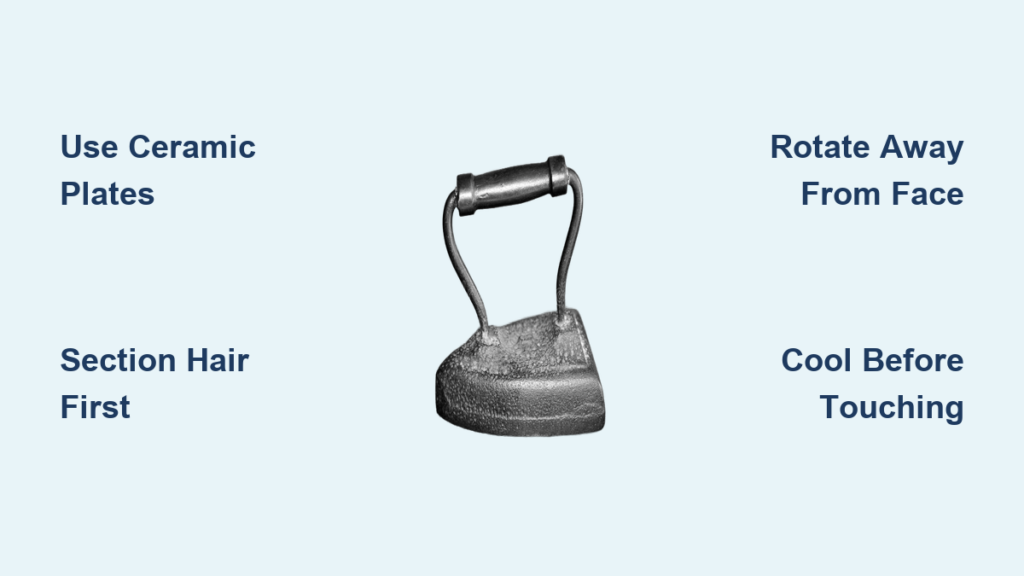
Ceramic plates deliver superior wave results for most hair types. These plates distribute heat evenly across each section, preventing hot spots that cause frizz and damage. When creating waves, consistent heat ensures each strand receives the same treatment for uniform results. Ceramic plates also glide smoothly through hair, making the rotation technique essential for waves much easier to execute. If you have fine or damaged hair, ceramic is your best option for gentle yet effective styling.
Plate width directly impacts your wave pattern. For tight, springy curls, choose a narrow 1-inch plate that gives you precise control over small sections. If you’re after loose, beachy waves, upgrade to a 1.5-2 inch plate that creates larger waves more efficiently. Thick or long hair benefits from wider plates that reduce styling time without sacrificing quality. Many professional stylists recommend having two flat irons—one narrow, one wide—to accommodate different styling needs.
Digital temperature control prevents heat damage while ensuring your waves hold. Fine hair requires only 250-300°F to create lasting waves without damage. Medium thickness hair performs best at 300-350°F. Thick, coarse, or resistant hair may need 350-400°F to achieve defined waves that last. Always start at the lowest effective temperature and increase only if necessary—repeated high-heat exposure is the leading cause of flat iron damage.
Prep Your Hair for Flawless Wave Creation
Skipping proper preparation guarantees disappointing wave results that fall flat before you leave the house. These essential steps transform ordinary styling into extraordinary, long-lasting waves.
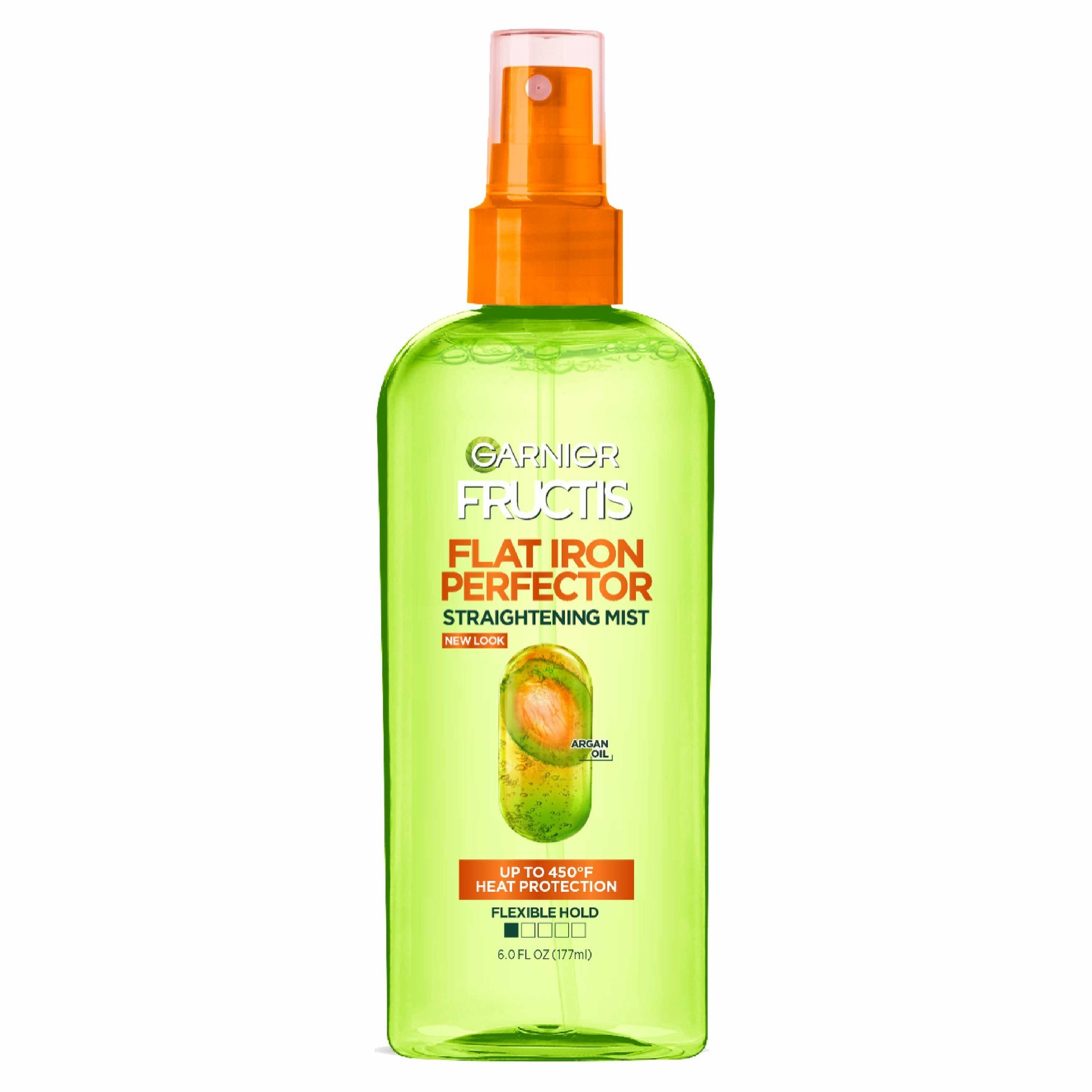
Apply heat protectant from roots to ends before styling. This critical step forms a protective barrier that reduces moisture loss and prevents cuticle damage. Spray or serum formulas work best—apply evenly through damp or dry hair, then comb through for uniform distribution. Never skip this step; heat protectant reduces damage by up to 50% according to hair science research. Allow 30 seconds for the product to absorb before applying heat.
Section hair into 1-2 inch subsections for consistent waves. Use duckbill clips to divide your hair vertically from crown to nape, then horizontally from ear to ear. Smaller sections create more defined waves, while larger sections produce looser texture. Thick hair requires more sections for proper heat penetration. Fine hair can handle slightly larger sections without losing definition. Working systematically through each section prevents missed spots and ensures uniform wave patterns.
Dry hair completely before waving. Attempting to create waves on damp hair causes immediate steam damage that weakens the hair shaft. Water turns to steam between the hot plates, literally boiling your hair from the inside out. This creates bubbles within the hair strand that lead to breakage and split ends. If you prefer starting with damp hair for certain styles, use a blow dryer first to achieve 100% dryness before bringing the flat iron near your hair.
Execute the Flat Iron Wave Technique Perfectly
The secret to beautiful waves lies in a simple rotation technique that transforms your straightener into a curling tool. Master this fundamental movement to create professional-quality waves every time.
Clamp hair near roots and rotate away from your face. Position the flat iron vertically with plates parallel to your scalp. Take a 1-inch section, clamp near the roots, then rotate the iron 180 degrees away from your face while simultaneously gliding down 2-3 inches. This rotation creates the wave pattern while the downward motion determines wave length. Maintain consistent tension—too loose creates limp waves, too tight causes crimps.
Process time determines wave definition. Fine hair needs just 2-3 seconds per section to create lasting waves. Medium hair requires 3-5 seconds. Thick or coarse hair benefits from 5-7 seconds of heat exposure. Move too quickly and waves won’t set; too slowly and you risk heat damage. Count silently as you glide—this ensures consistent timing throughout your styling session.
Vary rotation direction for natural-looking waves. Alternate rotating some sections toward your face and others away to create organic movement. Uniform rotation in one direction produces artificial-looking waves that lack dimension. Front sections typically look best rotated away from the face for a flattering frame, while back sections can alternate for natural variation. This subtle variation mimics how waves form naturally in the wind.
Customize Waves for Your Hair Type

One-size-fits-all wave techniques fail because different hair types require specialized approaches. Tailor your method to your specific hair characteristics for optimal results.
Fine hair needs lower heat and smaller sections. Set your flat iron to 250-300°F and work with 0.5-inch sections for maximum grip. Apply a lightweight volumizing mousse before heat styling to give fine strands more substance. Create waves closer to the roots to add volume where fine hair needs it most. Finish with texturizing spray rather than heavy hairspray to maintain movement without weighing hair down.
Thick hair demands higher heat and strategic sectioning. Use 350-400°F and 1.5-inch sections to penetrate dense strands effectively. Apply a smoothing serum before styling to tame frizz without sacrificing wave definition. Create waves starting 2 inches from roots to prevent bulkiness at the crown. Allow each section to cool completely before touching—thick hair needs more cooling time to set the wave pattern permanently.
Curly hair requires straightening first for uniform waves. Blow-dry curly hair completely straight before attempting wave creation. Use higher heat (375-400°F) and smaller sections to overcome natural texture. Apply extra heat protectant since curly hair is typically more porous and vulnerable. Focus on mid-lengths to ends where natural curl pattern is strongest. The result will be enhanced waves rather than completely new texture.
Fix Common Flat Iron Wave Mistakes Immediately
Even experienced users make these critical errors that ruin wave results and damage hair. Recognize and correct these issues for perfect waves every time.
Steam escaping during styling means your hair isn’t dry enough. This immediate warning sign indicates water trapped in your hair is boiling between the plates. Stop immediately and allow hair to dry completely before continuing. Steam damage creates invisible bubbles within the hair shaft that lead to breakage hours or days later—sometimes without visible warning until the hair snaps.
Waves falling out within an hour indicates incorrect technique. Likely causes include: temperature too low for your hair type, sections too large, insufficient cooling time, or skipping heat protectant. Increase heat by 25-degree increments, reduce section size, allow waves to cool completely before touching, and always use heat protection. For stubborn cases, lightly mist sections with hairspray before styling for extra grip.
Crimping instead of waving happens from improper rotation. This occurs when you rotate the iron in jerky movements rather than one fluid motion. Practice the rotation technique on a towel first to build muscle memory. Keep your wrist loose and rotate from the elbow for smoother movement. Stop completely at the bottom of each section—continuing to rotate creates unnatural kinks rather than flowing waves.
Extend Your Wave Longevity Through the Day
Transform temporary waves into all-day styles with these professional finishing techniques that lock in your hard work.
Cool waves completely before touching. Clip each finished section against your head for 30-60 seconds to set the shape while cooling. Running cool air from a blow dryer over freshly styled waves for 10 seconds accelerates the cooling process. This cooling phase allows the hair’s internal structure to reset in the new wave pattern, creating longer-lasting results with less product.
Apply flexible-hold hairspray through the mid-lengths. Hold the can 10-12 inches from your head and mist lightly through the wave pattern—not at the roots. Focus on areas where waves typically fall first, usually around the crown and temples. Flexible formulas maintain movement while providing enough structure to resist gravity and humidity. Avoid heavy sprays that create stiffness and unnatural texture.
Refresh waves overnight with silk pillowcases. Sleep with hair loosely gathered at the crown (pineapple method) using a satin scrunchie. Silk or satin pillowcases reduce friction that flattens waves while you sleep. In the morning, gently shake out waves and touch up only the sections that lost definition—never restyle your entire head. This approach preserves your hair’s health while maintaining beautiful texture.
Creating perfect waves with your flat iron combines the right tools, proper technique, and hair-specific adjustments. Start with lower heat settings and gradually increase only as needed—your hair’s health matters more than immediate results. With consistent practice using these professional methods, you’ll develop the muscle memory to create stunning waves in minutes. The most beautiful waves come from understanding your unique hair and working with its natural characteristics rather than against them. Practice these techniques regularly, and soon you’ll achieve salon-quality waves at home whenever the mood strikes.