You might think iron matters only for preventing anemia, but for men, this mineral plays a surprisingly critical role in testosterone production, fertility, and sexual health. Research reveals a sophisticated bidirectional connection between iron levels and male physiology—where both deficiency and excess can sabotage your hormonal balance and reproductive function. Understanding how iron specifically benefits males can help you optimize your health without falling into the common trap of over-supplementing. This guide unpacks the science-backed iron benefits for men, explains why balance matters more than maximum intake, and provides actionable steps to maintain optimal iron status throughout your life.
The male reproductive system demonstrates unique sensitivity to iron levels, with specialized cells in the testes expressing specific iron transport and storage proteins. Unlike women who lose iron through menstruation, men lack natural elimination pathways for excess iron, making proper balance essential rather than simply maximizing intake. Both iron deficiency and iron overload pose distinct risks to male health, from reduced testosterone production to impaired sperm development and sexual dysfunction. By the end of this article, you’ll understand exactly how iron impacts your hormonal health and what practical steps you can take today to maintain the optimal iron balance your body needs.
Why Iron Directly Impacts Your Testosterone Levels
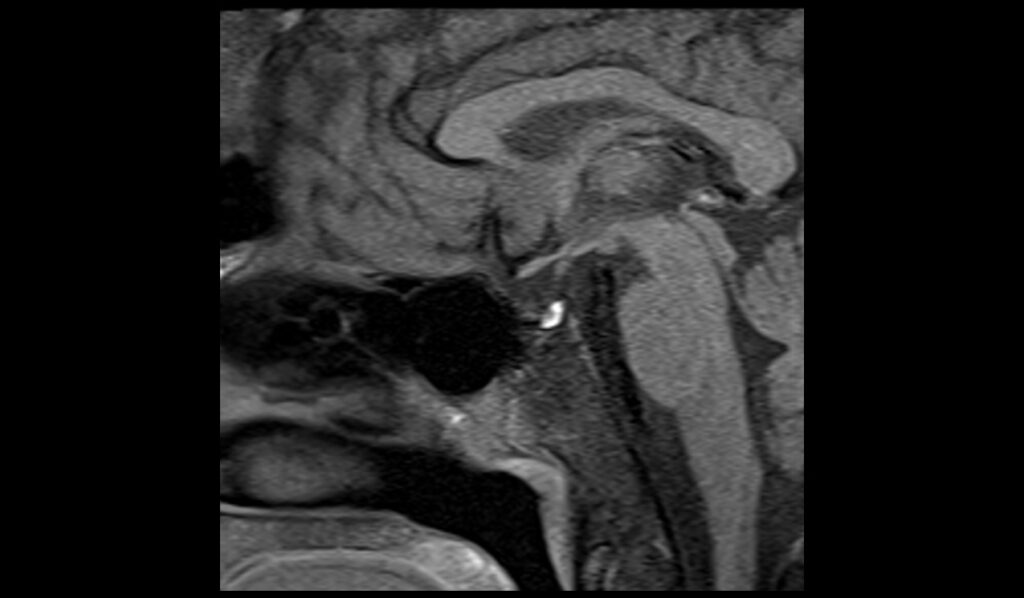
Men with iron overload disorders consistently show profoundly low testosterone levels, revealing a critical physiological relationship. When iron accumulates in the pituitary gland—specifically in the gonadotroph cells responsible for luteinizing hormone production—it directly impairs testosterone signaling. MRI studies confirm increasing iron deposition correlates with decreasing pituitary volume and lower serum testosterone levels. This explains why 65% of men with beta-thalassemia develop hypogonadism and why male children with severe iron overload often fail to enter puberty without intervention.
How Testosterone Regulates Your Iron Absorption
Testosterone actively controls your body’s iron levels by inhibiting hepcidin synthesis—the hormone that regulates iron absorption. When your testosterone rises, hepcidin decreases, allowing greater dietary iron absorption and increased release of stored iron into circulation. This explains why iron needs increase during puberty when testosterone surges, creating a natural mechanism to support rapid growth. However, this same relationship becomes problematic with testosterone supplementation, as exogenous testosterone suppresses hepcidin and can lead to iron accumulation over time.
Warning Signs of Iron-Related Testosterone Issues
Watch for these specific indicators that iron imbalance may be affecting your hormone levels:
– Persistent fatigue despite adequate sleep
– Unexplained joint pain or abdominal discomfort
– Decreased libido that doesn’t respond to typical interventions
– Sexual dysfunction that coincides with other iron overload symptoms
Men using testosterone therapy should monitor iron status regularly, as exogenous testosterone can create hemochromatosis-like effects by uncoupling hepcidin from normal iron regulation. Annual serum ferritin testing provides an early warning system for potential iron accumulation.
Iron’s Critical Role in Male Fertility and Sperm Health

Your sperm development depends on precisely calibrated iron levels within the testes. Research shows the male reproductive system maintains a carefully regulated iron gradient within seminiferous tubules, with concentrations decreasing toward the lumen as sperm mature. This gradient protects developing sperm from oxidative damage while providing necessary iron for enzymatic functions. Seminal plasma contains transferrin—one of the most abundant proteins at up to 5% of total protein content—with approximately 80% produced directly by testicular Sertoli cells.
The Narrow Therapeutic Window for Sperm Function
Iron’s effects on sperm follow a precise concentration threshold that most men never consider:
– At 2.0 micrograms per milliliter: Sperm motility, vitality, and DNA integrity improve
– Above 4.0 micrograms per milliliter: Both motility and vitality significantly decline
This narrow window explains why both iron deficiency and excess can damage fertility. Men with beta-thalassemia show significantly higher rates of sperm abnormalities—including azoospermia, oligozoospermia, and asthenozoospermia—compared to controls. Iron overload increases sperm DNA fragmentation, which correlates directly with serum ferritin levels.
How to Support Healthy Iron Levels for Fertility
For men concerned about reproductive health:
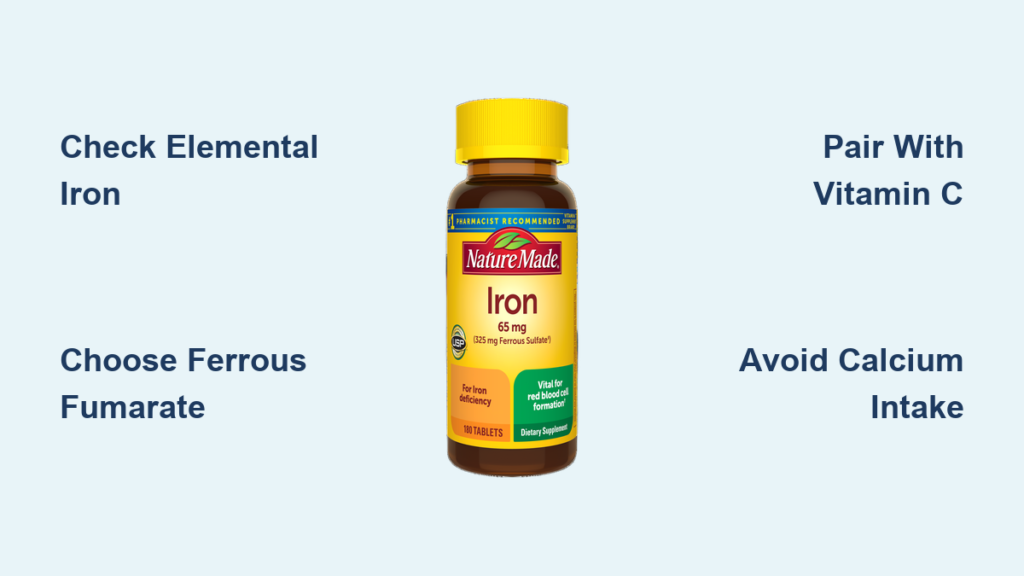
– Avoid unnecessary iron supplementation unless deficiency is confirmed
– Pair plant-based iron sources with vitamin C to enhance absorption if needed
– Consider semen analysis alongside standard iron testing if fertility concerns exist
– Men with varicoceles should discuss iron status with their urologist
Remember that iron plays a dual role in sperm development—it’s essential for enzymatic function but can cause oxidative damage when excessive. This delicate balance means maintaining optimal iron status is more important than simply increasing intake.
Iron’s Surprising Connection to Erectile Function
Your ability to achieve and maintain erections depends on iron-containing enzymes working properly in the corpora cavernosa. Soluble guanylyl cyclase—the principal enzyme activated by nitric oxide to produce erections—is a heme-containing protein requiring iron at its core. Without adequate iron, this enzyme cannot respond to nitric oxide, directly impairing erectile function. Mouse studies prove this relationship: animals with iron-deficient soluble guanylyl cyclase fail to relax corporal arteries in response to nerve stimulation.
Why Iron Overload Causes Sexual Dysfunction
Men with iron overload disorders report significantly higher rates of sexual dysfunction, including:
– 4.6 times increased risk of erectile dysfunction in men with non-transfusion-dependent beta-thalassemia
– Impaired response to standard erectile dysfunction treatments like alprostadil
– Higher rates of anejaculation (13% in hemochromatosis patients versus 0% in controls)
Excess iron generates reactive oxygen species that deplete nitric oxide and oxidize the heme moiety of soluble guanylyl cyclase. This double mechanism impairs both nitric oxide availability and the enzyme’s ability to respond to it. The good news? Therapeutic phlebotomy can reverse erectile dysfunction in young adults with hereditary hemochromatosis if implemented before permanent cellular damage occurs.
Optimal Iron Intake Guidelines for Men by Age

Adult men aged 19-50 require just 8 milligrams of iron daily—the same recommendation for men over 51. Unlike women who lose iron monthly, men lack natural elimination pathways, making dietary regulation critically important. The average American male consumes 10-15 times more iron than needed to replace incidental losses, creating long-term accumulation risks. This explains why iron overload concerns often outweigh deficiency risks for men in developed countries.
Vegetarian Men’s Iron Requirements
Men following plant-based diets need approximately 1.8 times more iron (about 14.4mg daily) due to lower nonheme iron bioavailability. However, strategic food combinations can significantly improve absorption:
– Pair lentils, spinach, or fortified cereals with citrus fruits or bell peppers
– Avoid coffee, tea, or calcium supplements within 2 hours of iron-rich meals
– Include small amounts of meat or fish with plant-based iron sources when possible
When to Consider Iron Testing
Men should discuss iron testing with their healthcare provider if they experience:
– Unexplained fatigue that doesn’t improve with rest
– Joint pain without apparent cause
– Sexual dysfunction unresponsive to standard treatments
– Family history of hemochromatosis (affecting 1 in 200-300 people of Northern European descent)
Serum ferritin testing provides the most efficient assessment of iron stores, with levels below 30 micrograms per liter suggesting deficiency and levels above 300 micrograms per liter indicating potential overload.
Practical Steps to Maintain Healthy Iron Balance
Regular blood donation represents one of the most effective strategies for men at risk of iron accumulation. Each donation removes approximately 250 milligrams of iron, effectively reducing body stores while supporting community blood supplies. For men with confirmed iron overload, therapeutic phlebotomy remains the gold standard treatment.
Dietary Tweaks for Optimal Iron Status
Instead of indiscriminate supplementation, try these science-backed approaches:
– Limit red meat consumption to 2-3 servings weekly if ferritin levels are elevated
– Increase consumption of polyphenol-rich foods like green tea, which can inhibit iron absorption
– Time coffee or tea consumption 1-2 hours away from meals to minimize iron inhibition
– Include moderate amounts of lean red meat if deficient, as heme iron absorbs 2-3 times better than plant-based sources
Men using testosterone therapy should implement annual iron monitoring as part of their treatment protocol. Early detection of rising ferritin levels allows for timely intervention before permanent pituitary damage occurs.
Key Takeaway: Iron benefits males through precise hormonal regulation, fertility support, and sexual function—but only within a narrow optimal range. Both deficiency and excess can damage testosterone production, sperm health, and erectile function. Rather than maximizing intake, focus on maintaining balance through strategic dietary choices, regular monitoring if at risk, and avoiding unnecessary supplementation. Men experiencing unexplained hormonal or sexual health issues should consider iron status as part of their comprehensive evaluation, as correcting imbalances often yields significant improvements in overall male health and vitality.