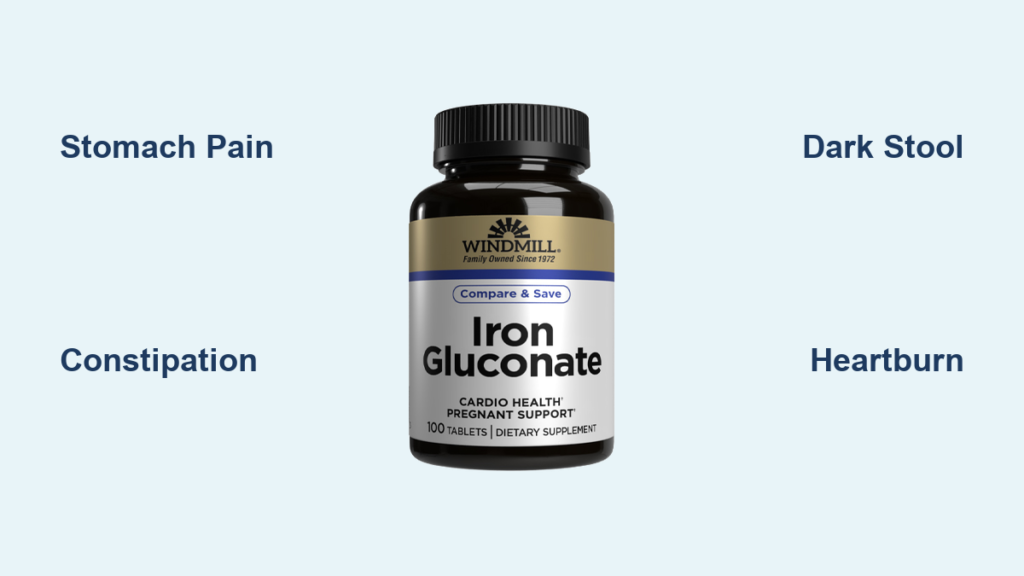
Waking up exhausted despite a full night’s sleep, struggling to focus at work, or feeling dizzy when standing too quickly—these could be signs your body is crying out for more iron. If your healthcare provider has prescribed iron gluconate (sold under brand names like Fergon and Ferate) to address low iron levels, understanding the iron gluconate side effects you might experience is crucial for successful treatment. This guide delivers specific, actionable information about what to expect during supplementation, how to manage uncomfortable reactions, and when side effects signal it’s time to call your doctor. With the right knowledge, you can navigate your iron supplementation journey with confidence rather than confusion.
Iron gluconate works by delivering elemental iron directly into your system, where it becomes essential for producing hemoglobin—the protein in red blood cells that carries oxygen throughout your body. When iron stores run low, symptoms like weakness, fatigue, irritability, headaches, and difficulty concentrating often follow. Most people begin noticing symptom improvement after several weeks of consistent supplementation, though building adequate iron reserves typically requires continued treatment for several months—sometimes up to six months total. As you commit to this treatment timeline, knowing exactly what side effects to anticipate helps you distinguish normal reactions from warning signs requiring medical attention.
Why Iron Gluconate Causes Stomach Discomfort and How to Fix It
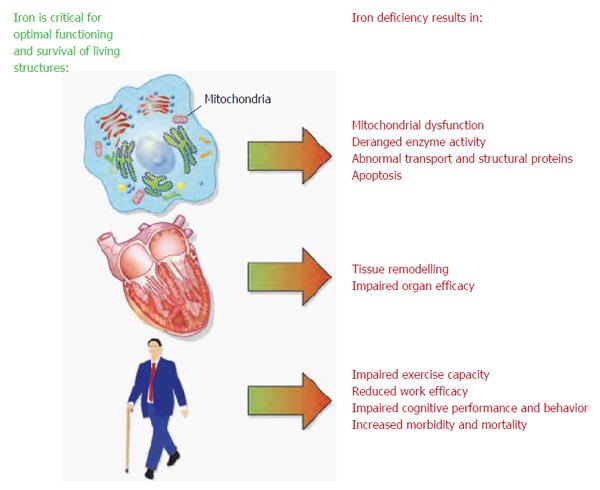
Stomach pain ranks as the most frequently reported issue among people taking iron gluconate supplements. This discomfort isn’t random—it happens because iron directly irritates your gastrointestinal lining as it passes through your digestive system. The intensity varies significantly between individuals, with some experiencing mild unease while others face pain severe enough to disrupt daily activities. Recognizing this as a normal reaction helps prevent unnecessary alarm, but knowing how to manage it makes the difference between sticking with treatment and giving up.
Try taking your iron gluconate with a small portion of food if stomach pain becomes problematic. While healthcare providers generally recommend taking iron on an empty stomach for maximum absorption, the reality is that many people simply can’t tolerate this approach. A light snack like crackers or toast can significantly reduce irritation without completely sacrificing absorption. Just avoid dairy products or calcium-rich foods within two hours of your dose, as these dramatically reduce iron uptake.
How to Prevent Heartburn from Iron Supplements
That burning sensation in your chest after taking iron gluconate isn’t just uncomfortable—it can make you dread your daily dose. This heartburn occurs when the supplement irritates your esophagus or stomach lining. Stand upright for at least 30 minutes after taking your dose rather than lying down immediately, and always swallow your pill with a full glass of water to help it pass through your esophagus quickly.
If heartburn persists despite these measures, ask your healthcare provider about switching to a slow-release iron formulation. These versions release iron gradually through your digestive tract rather than all at once, significantly reducing irritation while still delivering therapeutic benefits. Don’t reach for over-the-counter antacids as a solution, however—these actually prevent iron absorption when taken too close to your supplement dose.
Managing Iron-Induced Constipation Without Compromising Treatment
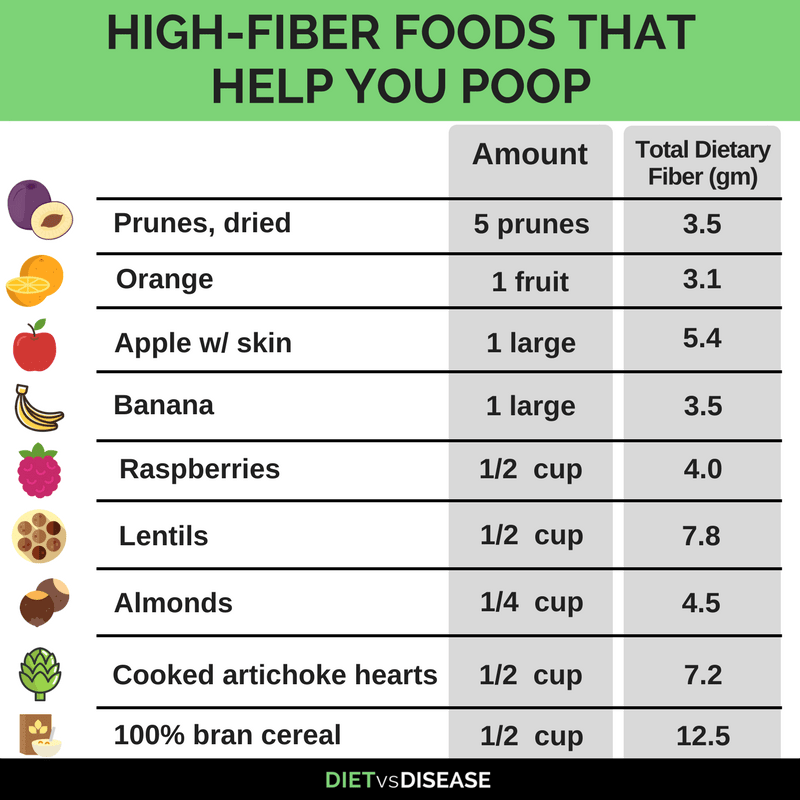
Constipation affects nearly half of all people taking iron gluconate supplements, making it one of the most common iron gluconate side effects. This happens because excess iron not absorbed by your body passes through your digestive system and draws water from surrounding tissues, resulting in harder, drier stools. The good news is you can address this issue without abandoning your essential treatment.
Start by increasing your daily water intake to at least eight glasses—more if you’re physically active or live in a hot climate. Pair this with a gradual increase in high-fiber foods like apples with skin, berries, oats, and leafy greens. Sudden large increases in fiber can worsen digestive discomfort, so add these foods slowly over several days. Consider taking a magnesium supplement (200-400mg) at bedtime, as magnesium draws water into the colon to soften stools naturally. Your healthcare provider might also recommend a gentle stool softener like docusate sodium if dietary changes aren’t sufficient.
Why Some People Experience Diarrhea Instead of Constipation
While constipation dominates discussions about iron supplements, approximately 20% of users experience the opposite problem—loose stools or diarrhea. This paradoxical reaction occurs because iron can disrupt your gut microbiome balance, causing some individuals to experience increased bowel movements. If you fall into this category, avoid high-fiber foods temporarily and focus on binding foods like bananas, rice, applesauce, and toast (the BRAT diet) until your system stabilizes.
Stay vigilant about hydration if diarrhea occurs, as losing fluids while taking iron supplements creates a dangerous cycle of dehydration that worsens fatigue—exactly what you’re trying to treat. Sip water or electrolyte-replacement beverages throughout the day rather than consuming large amounts at once, which could trigger more episodes. If diarrhea persists beyond 48 hours or becomes severe, contact your healthcare provider immediately, as this could indicate an intolerance requiring medication adjustment.
Decoding Stool Color Changes During Iron Supplementation
:max_bytes(150000):strip_icc()/EVERGREEN-TheMeaningofPoopColorsShapesSizesandConsistency-final2-c4e924a9175b475594d1a250d4a2b50b.png)
Your stool turning dark gray or greenish-black while taking iron gluconate surprises many first-time users, but this color change represents one of the most universal iron gluconate side effects. This discoloration occurs because unabsorbed iron passes through your digestive system and reacts with sulfur compounds in your gut, creating a harmless but dramatic visual change. Healthcare providers consider this normal and expected—it doesn’t indicate internal bleeding or other serious conditions.
However, this creates a critical diagnostic challenge: internal bleeding can also cause dark, tarry stools that superficially resemble iron-induced discoloration. Never assume your stool color change is harmless without professional evaluation, especially if accompanied by other symptoms like abdominal pain, unexplained weight loss, or changes in bowel habits. Inform your healthcare provider about any color changes in your stool—they’ll determine whether it represents a benign effect of supplementation or requires further investigation.
Smart Timing Strategies to Minimize Side Effects
The moment you take your iron gluconate dose significantly impacts both effectiveness and discomfort levels. For maximum absorption, take your supplement one hour before meals or two hours after eating—this empty-stomach approach allows your body to absorb up to 30% more iron. However, if stomach pain makes this impossible, don’t force it. Take your dose with a light snack that doesn’t interfere with absorption, such as a small serving of vitamin C-rich fruit.
Which Foods and Drinks Block Iron Absorption
Several common substances dramatically reduce iron absorption when consumed near your supplement dose. Avoid taking iron gluconate within two hours of:
- Antacids or calcium supplements (calcium binds to iron)
- Dairy products like milk, cheese, or yogurt
- Coffee, tea, or cola (caffeine interferes with uptake)
- High-fiber cereals or bran products
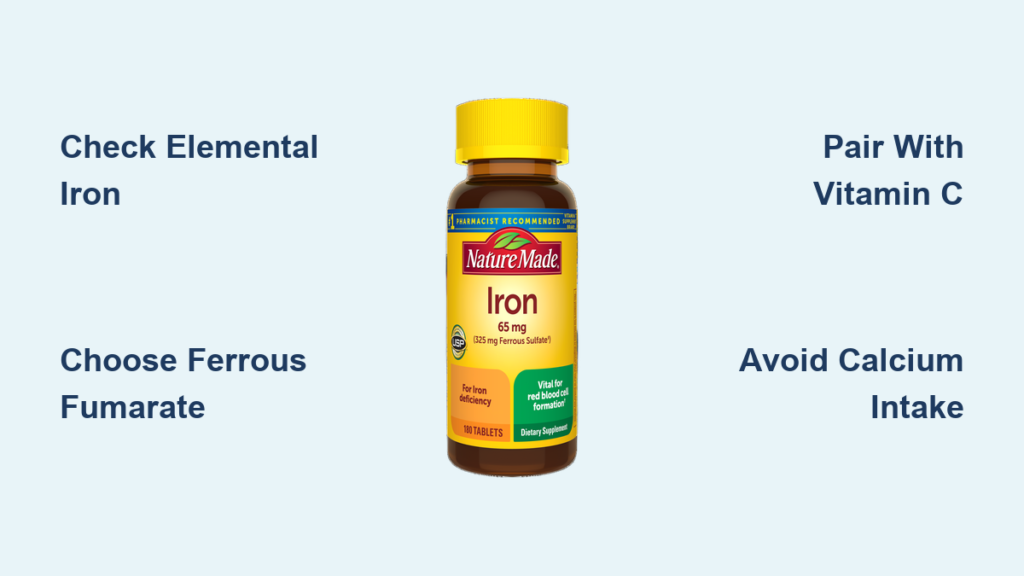
Instead, maximize absorption by pairing your iron dose with vitamin C-rich foods. A small glass of orange juice or a handful of strawberries boosts iron uptake by converting it to a more absorbable form. This simple strategy can make your supplementation significantly more effective without increasing your dosage.
Critical Safety Steps for Missed Doses
Forgetting an occasional iron gluconate dose happens to everyone, but knowing the correct response prevents dangerous complications. Never take a double dose to compensate for a missed pill—this dramatically increases your risk of severe side effects and potential iron toxicity. Instead, simply take your next scheduled dose at the regular time. If you miss multiple doses in a row, contact your healthcare provider rather than trying to adjust your regimen independently.
Frequent missed doses undermine treatment effectiveness and prolong your recovery timeline. If you struggle with consistency, try pairing your iron supplement with an existing daily habit—like taking it immediately after brushing your teeth in the morning. Set a daily phone alarm with a descriptive label like “Iron Gluconate – Empty Stomach” to reinforce proper timing.
When Iron Gluconate Side Effects Require Immediate Medical Attention
Most side effects represent expected reactions that diminish as your body adjusts, but certain symptoms demand prompt professional evaluation. Contact your healthcare provider immediately if you experience:
- Severe or persistent vomiting that prevents keeping food or liquids down
- Abdominal pain so intense it interferes with daily activities
- Diarrhea lasting more than 48 hours
- Signs of an allergic reaction including difficulty breathing, facial swelling, hives, or rash
Don’t dismiss milder symptoms either—many people unnecessarily endure manageable side effects because they assume “this is just part of treatment.” Your healthcare provider expects questions about side effects and can often suggest simple adjustments that make treatment significantly more tolerable.
Long-Term Monitoring Strategies for Successful Treatment
Even after your energy levels improve and initial symptoms fade, continuing iron gluconate supplementation for the full prescribed duration remains essential. Stopping treatment prematurely leaves your iron stores only partially replenished, setting the stage for symptoms to return. Most people require three to six months of consistent supplementation to fully restore iron reserves.
Schedule regular blood tests as recommended by your healthcare provider to objectively track your progress. These tests measure ferritin levels (your stored iron) rather than just hemoglobin, providing a more complete picture of your iron status. Keep an updated medication list that includes all supplements and over-the-counter drugs, as these can interact with your iron treatment. When in doubt about side effects or timing concerns, call your provincial health advice line (dial 811 in most regions)—trained professionals can provide guidance between appointments.
Iron gluconate supplementation offers significant benefits for those with low iron levels, but success depends on understanding what to expect and managing side effects effectively. By implementing these specific strategies, you’ll maximize treatment effectiveness while minimizing unnecessary discomfort—putting you firmly on the path to restored energy and better health.