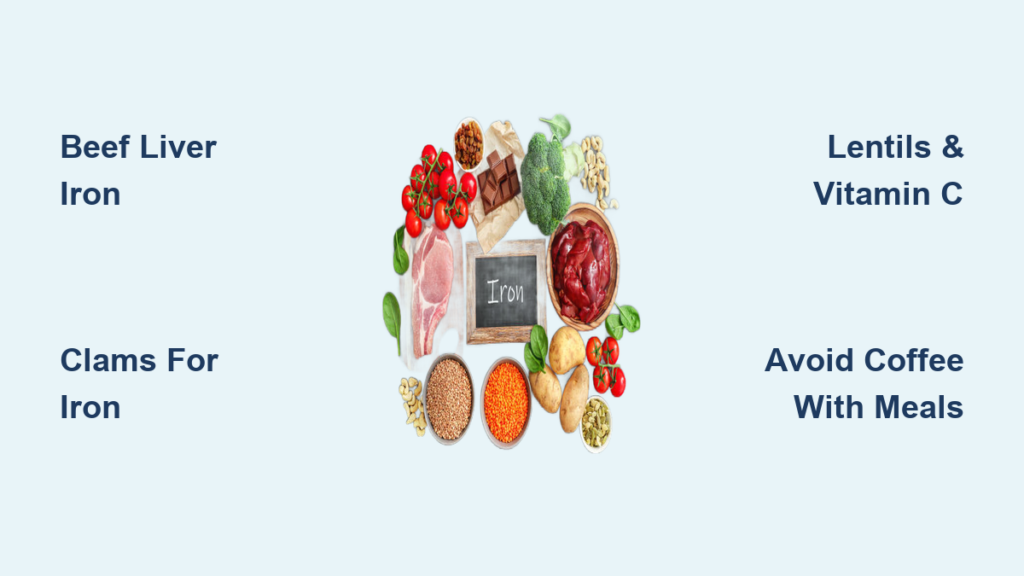
Heavy menstrual bleeding drains your body of essential iron, leaving you feeling exhausted and drained when you should be thriving. When you’re changing pads hourly or experiencing periods lasting longer than seven days, your iron stores deplete rapidly—sometimes faster than your diet can replenish them. Understanding which iron rich foods for heavy bleeding actually work can transform how you feel during and after your period, helping you maintain energy levels and prevent the fatigue that often accompanies heavy menstrual flow.
The connection between nutrition and menstrual health is powerful but frequently overlooked. What you eat directly impacts your body’s ability to recover from blood loss and maintain healthy iron reserves. Without strategic dietary choices, you might find yourself in a cycle of depletion where each period leaves you feeling weaker than the last. This guide reveals exactly which foods deliver the most bioavailable iron, how to maximize absorption, and practical meal strategies that help you combat fatigue and restore your vitality.
Why Iron Depletion Hits Heavy Period Sufferers Hard
Your body loses iron proportionally to blood loss during menstruation, and heavy bleeding dramatically accelerates this depletion. When you lose more than 80 milliliters of blood per cycle—about 16 teaspoonfuls of blood—your hemoglobin levels drop significantly, forcing your body to work harder to produce new red blood cells. This increased demand often outstrips what your regular diet provides, creating a dangerous gap between iron loss and replacement.
The fatigue from iron deficiency isn’t ordinary tiredness—it’s a deep, persistent exhaustion that makes climbing stairs feel like climbing mountains. Your brain operates on reduced oxygen, muscles weaken, and concentration becomes nearly impossible. Many women mistakenly blame stress or aging for these symptoms when they’re actually experiencing preventable iron depletion. Recognizing this connection is crucial because untreated iron deficiency can lead to anemia, requiring medical intervention beyond dietary changes.
How Much Iron Do You Really Need?
Women with heavy periods require significantly more iron than the standard daily recommendation. While the average woman needs about 18 milligrams of iron daily, those with heavy menstrual bleeding may need 25-35 milligrams to maintain healthy levels. This increased requirement means simply eating “healthy” isn’t enough—you need targeted iron-rich foods consumed strategically throughout your cycle.
Warning Signs Your Iron Levels Are Dangerously Low
Persistent fatigue that doesn’t improve with rest, unusual shortness of breath during light activity, pale skin especially around your eyelids, brittle nails, and frequent headaches all signal possible iron deficiency. If you notice spoon-shaped nails (koilonychia) or experience pica (craving non-food items like ice or dirt), these indicate severe depletion requiring immediate attention. Tracking these symptoms alongside your menstrual flow helps determine when dietary changes alone aren’t sufficient.
Heme Iron Powerhouses That Replenish Fastest
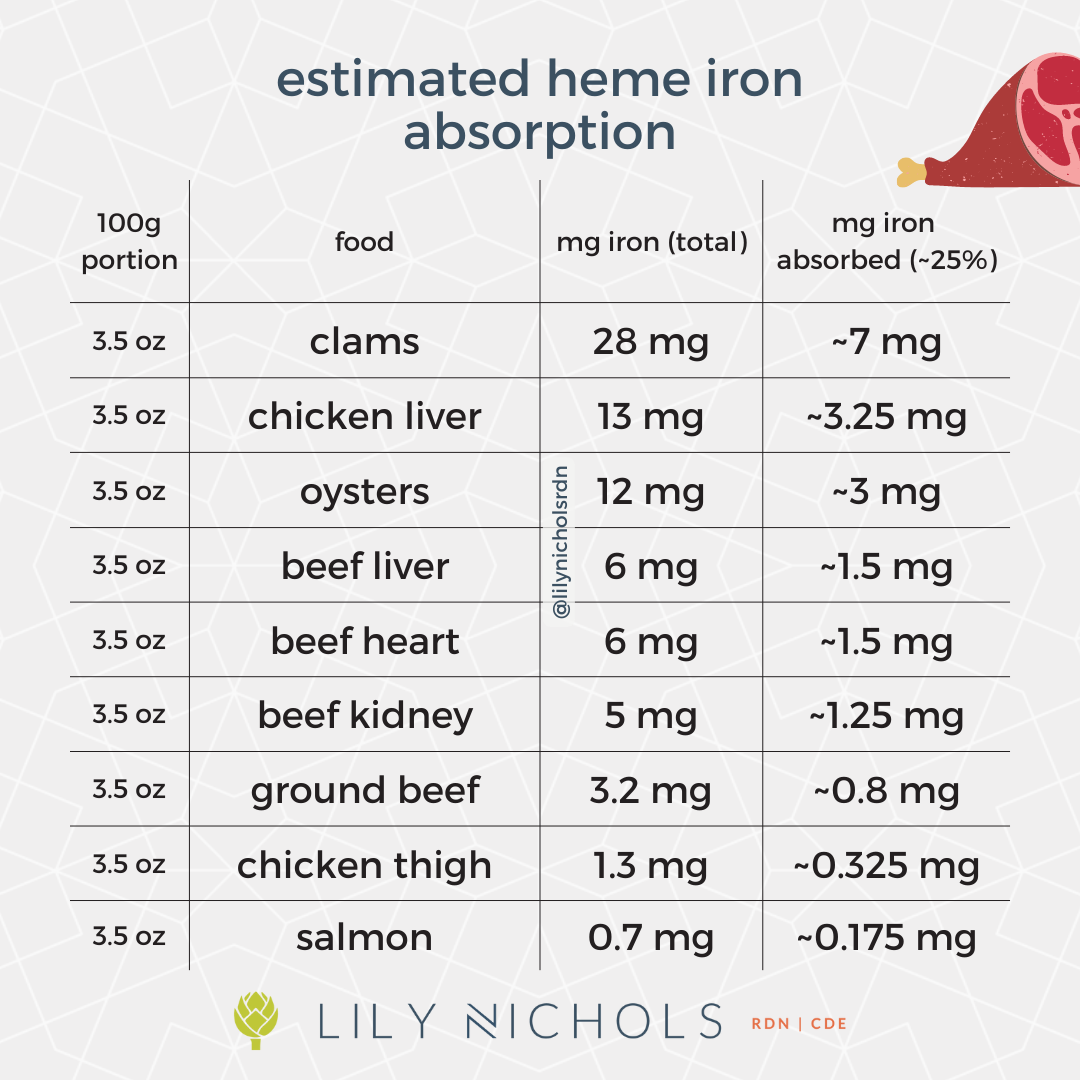
Heme iron from animal sources absorbs two to three times better than plant-based iron, making it essential for rapid replenishment during heavy bleeding. This bioavailable form binds directly to special proteins in your digestive tract, allowing your body to utilize up to 35% of the iron consumed—compared to just 2-20% from plant sources.
Beef Liver: The Iron Superfood You Shouldn’t Ignore
A single 3-ounce serving of beef liver delivers a staggering 5 milligrams of highly absorbable heme iron—more than a quarter of your daily needs in one meal. While its strong flavor intimidates many, incorporating small portions (even just 1-2 ounces) into dishes like shepherd’s pie or blended into meatloaf makes this nutritional powerhouse accessible. Try soaking liver in buttermilk for 30 minutes before cooking to mellow the flavor while preserving its exceptional iron content.
Shellfish That Outperforms Beef for Iron
Clams provide over 150% of your daily iron needs in a single 3-ounce serving—more than double what the same amount of steak delivers. Oysters and mussels follow closely behind, offering substantial iron along with zinc and vitamin B12 that support overall blood health. Sardines and canned salmon with bones deliver both iron and calcium in one convenient package, making them ideal for quick meals when energy is low.
Plant-Based Iron Strategies That Actually Work
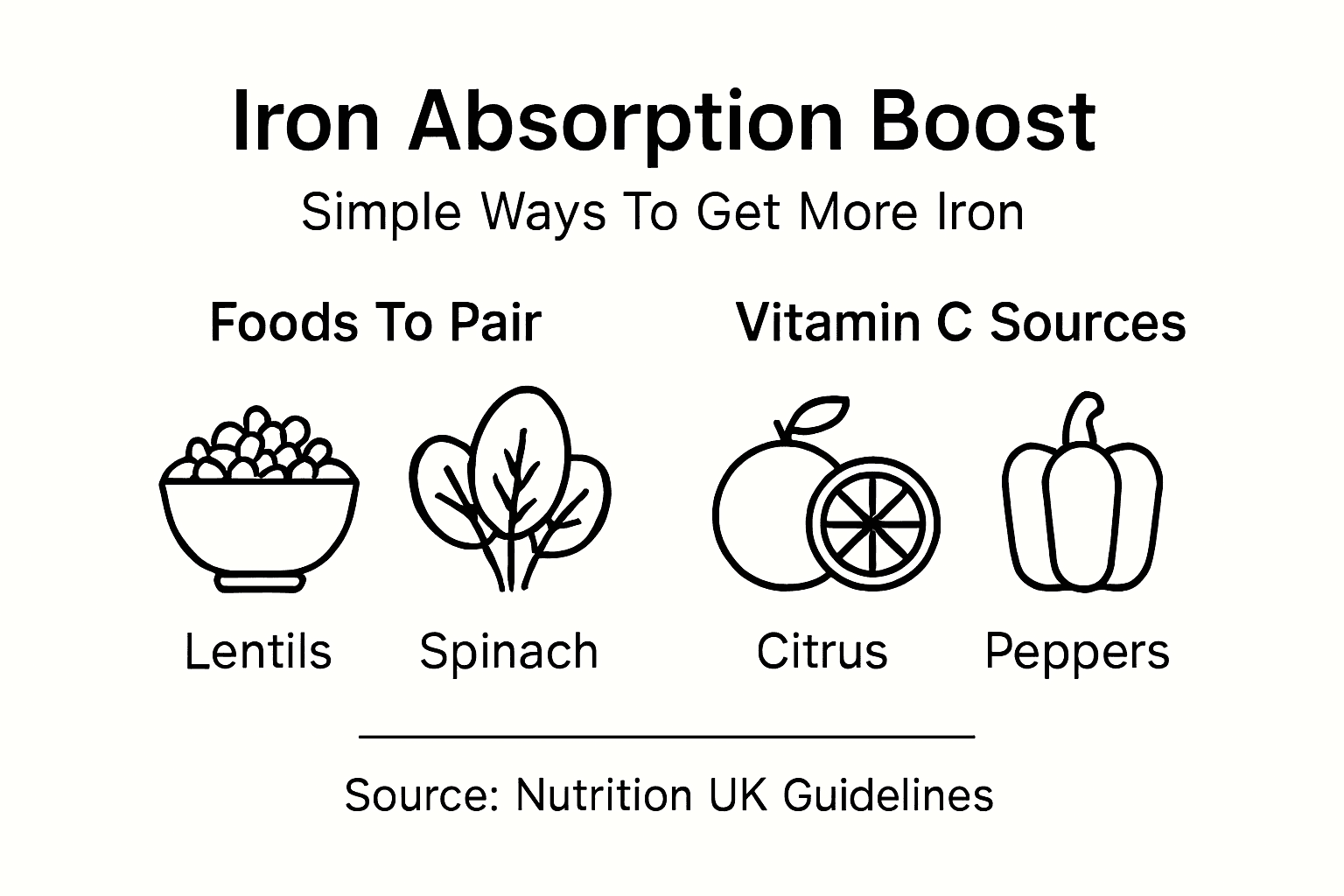
While plant-based iron (non-heme) absorbs less efficiently, strategic combinations can dramatically improve uptake. The key isn’t avoiding plant sources but understanding how to maximize their potential through smart food pairing and preparation techniques.
Lentils: The Secret Weapon for Vegetarian Iron
One cup of cooked lentils delivers 6.6 milligrams of iron—matching or exceeding most meat portions—plus 18 grams of protein and 15 grams of fiber. To maximize absorption, cook lentils with tomatoes (for vitamin C) and serve with a squeeze of lemon. Avoid adding calcium-rich dairy to lentil dishes, as this inhibits iron uptake by up to 50%. Soaking lentils for 12 hours before cooking reduces phytic acid content, increasing iron availability by another 20%.
Spinach Hacks That Triple Iron Absorption
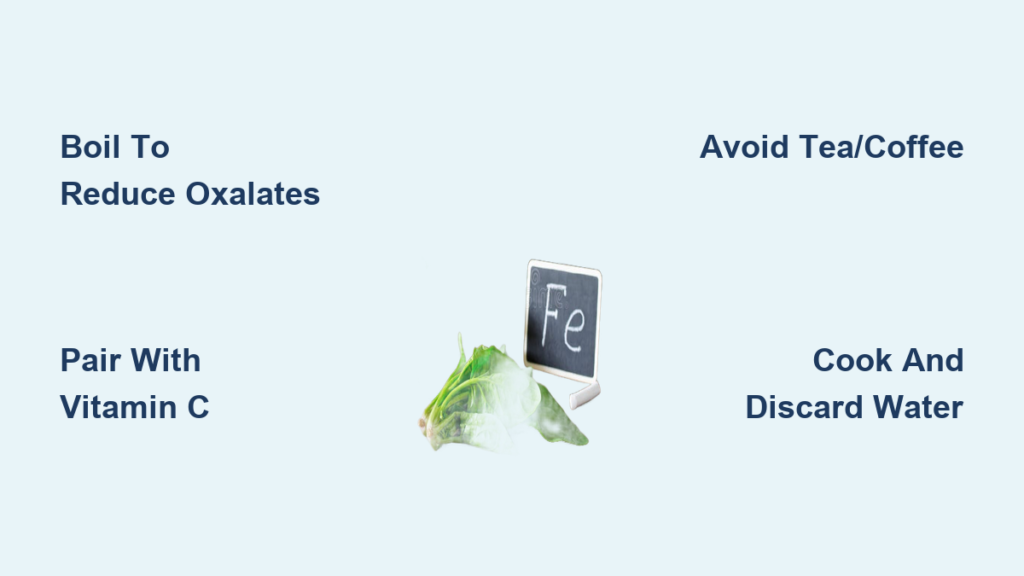
Raw spinach contains compounds that bind iron, making it largely unavailable. However, cooking spinach concentrates its nutrients and breaks down these inhibitors. Pairing one cup of cooked spinach (6.4 mg iron) with half a bell pepper (95 mg vitamin C) increases absorption by 300%. For maximum benefit, add a splash of vinegar during cooking—its acidity further enhances iron release from the plant matrix.
Vitamin C Pairings That Make Iron Absorption Soar
The chemical transformation vitamin C performs on non-heme iron turns poorly absorbed plant iron into a form your body utilizes efficiently. This simple pairing strategy can increase iron absorption from plant foods by up to six times, making it non-negotiable for heavy period sufferers.
Citrus Solutions Beyond Orange Juice
While orange juice works, its high sugar content can cause energy crashes when you’re already fatigued. Instead, try adding fresh lemon zest to iron-rich dishes—the aromatic oils contain concentrated vitamin C that survives cooking better than juice. A teaspoon of lemon zest provides more bioavailable vitamin C than a quarter cup of juice without the blood sugar spike.
Bell Pepper Secrets for Maximum Iron Uptake
Red bell peppers contain nearly three times more vitamin C than oranges by weight. Sautéing them briefly with iron-rich foods preserves most of their vitamin C content while enhancing flavor. For salads with spinach or lentils, add raw red pepper strips—their crisp texture provides the most potent vitamin C boost to accompany your meal.
Critical Timing Mistakes That Block Iron Absorption

Consuming iron-rich foods alongside common dietary inhibitors can reduce absorption by up to 80%, undermining your nutritional efforts. Understanding these timing conflicts helps you structure meals for maximum iron benefit.
The Coffee Conundrum: When to Sip Your Morning Brew
Drinking coffee with breakfast reduces iron absorption from that meal by 60-80%. Instead, wait at least 60 minutes after eating before enjoying your coffee. If you need caffeine with breakfast, choose green tea—which contains less inhibitory compounds than coffee—and add a squeeze of lemon to counteract its mild inhibitory effect.
Calcium Timing That Preserves Iron Uptake
Calcium supplements and dairy products compete directly with iron for absorption. If you take calcium supplements, schedule them for dinner rather than with iron-rich breakfast or lunch. For yogurt lovers, enjoy your dairy as a standalone snack between meals rather than with iron-containing dishes.
7-Day Meal Plan for Heavy Period Recovery
Strategic meal timing throughout your cycle prevents the energy crashes that come with iron depletion. This plan focuses on front-loading iron intake during your period while building reserves in the days leading up to menstruation.
Day 1-2: Heavy Flow Emergency Protocol
Breakfast: Iron-fortified cereal with sliced strawberries and a side of orange segments
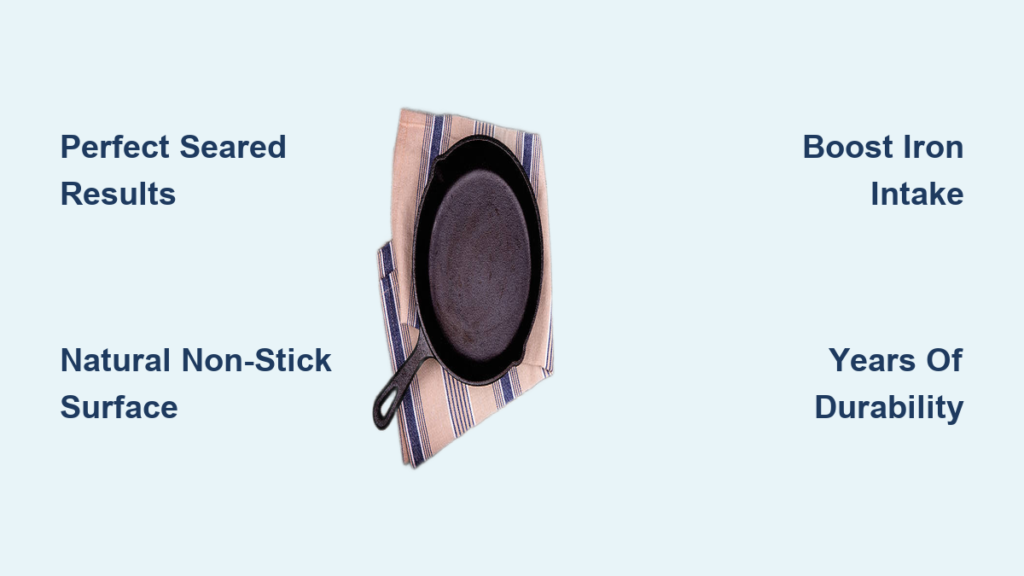
Lunch: Beef and spinach stir-fry with red bell peppers cooked in cast iron skillet
Dinner: Clam chowder made with tomatoes and served with whole-grain bread
Snack: Pumpkin seeds with kiwi slices
Day 3-5: Replenishment Phase
Breakfast: Scrambled eggs with sautéed kale and lemon zest
Lunch: Lentil soup with tomatoes and a side of papaya
Dinner: Chicken liver pâté with roasted beetroot and arugula salad
Snack: Dark chocolate (70%+) with raspberries
When Food Isn’t Enough: Critical Warning Signs
Dietary strategies work for mild to moderate depletion, but severe cases require medical intervention. If you experience heart palpitations, extreme shortness of breath during normal activities, or persistent fatigue despite two months of strategic iron-rich eating, consult your healthcare provider immediately. Women losing enough blood to require changing super-absorbency tampons hourly for multiple hours need both medical evaluation and likely supplemental iron therapy alongside dietary changes.
Long-Term Iron Maintenance Strategies
Track your menstrual flow using a period-tracking app that quantifies blood loss—this data helps you adjust iron intake proactively before symptoms appear. Schedule annual blood tests to monitor ferritin levels (your stored iron), aiming for at least 50 ng/mL rather than the standard “normal” range that may still leave you feeling depleted. Stock your pantry with iron-rich staples like lentils, pumpkin seeds, and canned clams for quick meals when energy is low during heavy flow days.
Strategic consumption of heme iron sources like shellfish and lean meats combined with vitamin C-enhanced plant iron creates a powerful defense against period-related fatigue. By avoiding absorption inhibitors and timing meals strategically, you can maintain energy levels that let you thrive throughout your entire cycle—not just survive the heavy bleeding days. Remember that consistent iron support works best when implemented throughout your cycle, not just during menstruation, building reserves that sustain you through even your heaviest flows.