Feeling fatigued, weak, or short of breath could indicate iron deficiency—anemia affects approximately 1.62 billion people worldwide. When your doctor prescribes iron sulphate (also known as ferrous sulfate) to boost your iron levels, you might experience unexpected reactions that catch you off guard. Many patients report being surprised by the intensity of certain side effects when they start this common iron supplement. Understanding exactly what to expect—both the common digestive discomforts and rare but serious reactions—can help you manage treatment effectively and know when to seek medical attention. This guide details every potential side effect of iron sulphate based on clinical evidence, helping you navigate supplementation with confidence and safety.
Immediate Gastrointestinal Reactions to Iron Sulphate
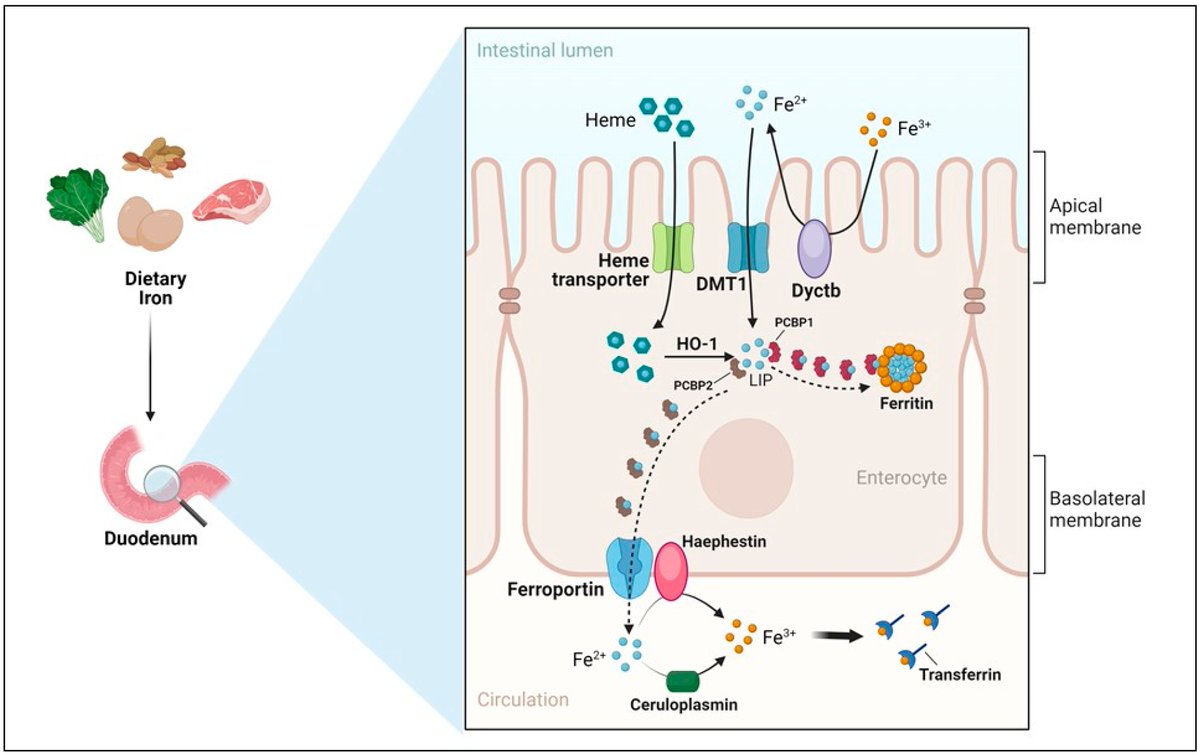
Iron sulphate commonly triggers digestive system responses within hours of your first dose. These reactions occur because unabsorbed iron irritates your gastrointestinal tract lining as it passes through your system.
Why Iron Sulphate Causes Nausea and Stomach Upset
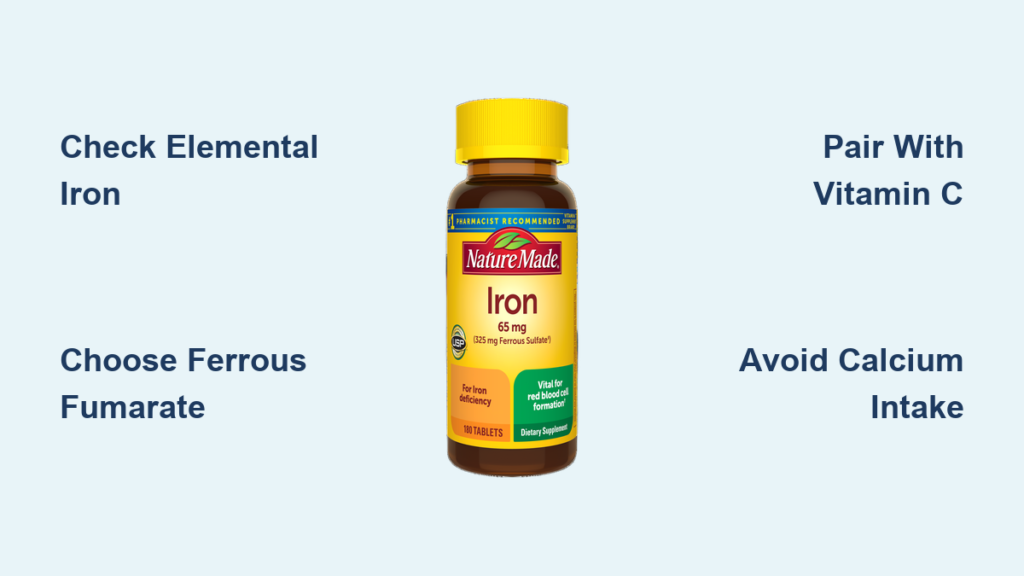
The high concentration of elemental iron in standard supplements overwhelms your digestive system’s absorption capacity. This excess iron reacts with stomach acids and gut bacteria, producing gas and irritation. Patients taking 325mg ferrous sulfate tablets (containing 65mg elemental iron) report nausea in 35-50% of cases, particularly when taken on an empty stomach.
Managing Common Digestive Side Effects
You can significantly reduce gastrointestinal discomfort by following these evidence-based approaches:
- Take with food: Consume your dose with a small meal containing vitamin C (like orange juice) to enhance absorption while reducing stomach irritation
- Start low: Begin with half the prescribed dose for several days before increasing to the full amount
- Space doses: If taking multiple tablets daily, separate them by at least 2 hours
- Avoid problem combinations: Don’t take iron with calcium-rich foods, antacids, or tea/coffee within 2 hours
Pro Tip: If standard tablets cause severe discomfort, ask your doctor about liquid iron formulations which some patients tolerate better despite the metallic taste.
Constipation and Other Bowel Changes

Iron sulphate’s impact on bowel function affects approximately 40% of users, often becoming the most persistent side effect throughout treatment.
Why Iron Sulphate Causes Hard Stools
The unabsorbed iron in your digestive tract draws water from surrounding tissues, resulting in harder, drier stools that move more slowly through your colon. This effect compounds when patients reduce fluid intake due to nausea from the supplement.
Effective Constipation Management Strategies
You can maintain regular bowel movements while supplementing with iron by implementing these specific techniques:
- Increase water intake by 50% above your normal consumption
- Add 1 tablespoon of ground flaxseed to morning meals for natural fiber
- Consume prunes or prune juice (1/2 cup daily) as a gentle stool softener
- Walk for 20 minutes daily to stimulate intestinal movement
Warning: Avoid harsh laxatives as they can interfere with iron absorption. If constipation persists beyond 7 days despite these measures, contact your healthcare provider.
Less Common but Serious Iron Sulphate Reactions
While most side effects involve digestive discomfort, certain reactions require immediate medical attention as they may indicate allergic response or iron overload.
Recognizing Allergic Reactions to Iron Supplements
True allergic reactions to iron sulphate occur in approximately 1 in 200 patients. Watch for these specific symptoms appearing within 1 hour of your dose:
- Raised, red, itchy skin welts (hives)
- Swelling of lips, tongue, or throat
- Difficulty breathing or wheezing
- Rapid heartbeat accompanied by dizziness
Urgent Action Required: If you experience any of these symptoms, stop taking the supplement immediately and seek emergency medical care. Do not attempt to “tough it out” as reactions can worsen with subsequent doses.
Iron Overdose Symptoms to Monitor
Accidental overdose is particularly dangerous for children but can also occur in adults taking multiple supplements. Recognize these critical warning signs:
- Severe, persistent vomiting (sometimes with blood)
- Intense abdominal pain with diarrhea (possibly bloody)
- Extreme weakness or drowsiness
- Bluish lips or fingernails
- Cold, clammy skin
Critical Note: Never exceed your prescribed dose. Keep iron supplements locked away from children—just one 325mg tablet contains enough iron to poison a small child.
Long-Term Iron Sulphate Side Effects
Extended use of iron sulphate requires monitoring for complications that develop gradually over months of supplementation.
Tooth Staining from Liquid Iron Formulations
Regular use of liquid iron sulphate causes noticeable gray-black discoloration on tooth enamel, particularly along the gum line. This occurs because the iron reacts with compounds in dental plaque.
Prevention Technique: Use a dropper to place liquid iron toward the back of your mouth, avoiding contact with teeth. Follow immediately with a water rinse (not milk or antacids which reduce absorption). Brush teeth 30 minutes after taking your dose.
Potential Organ Damage from Chronic Over-Supplementation
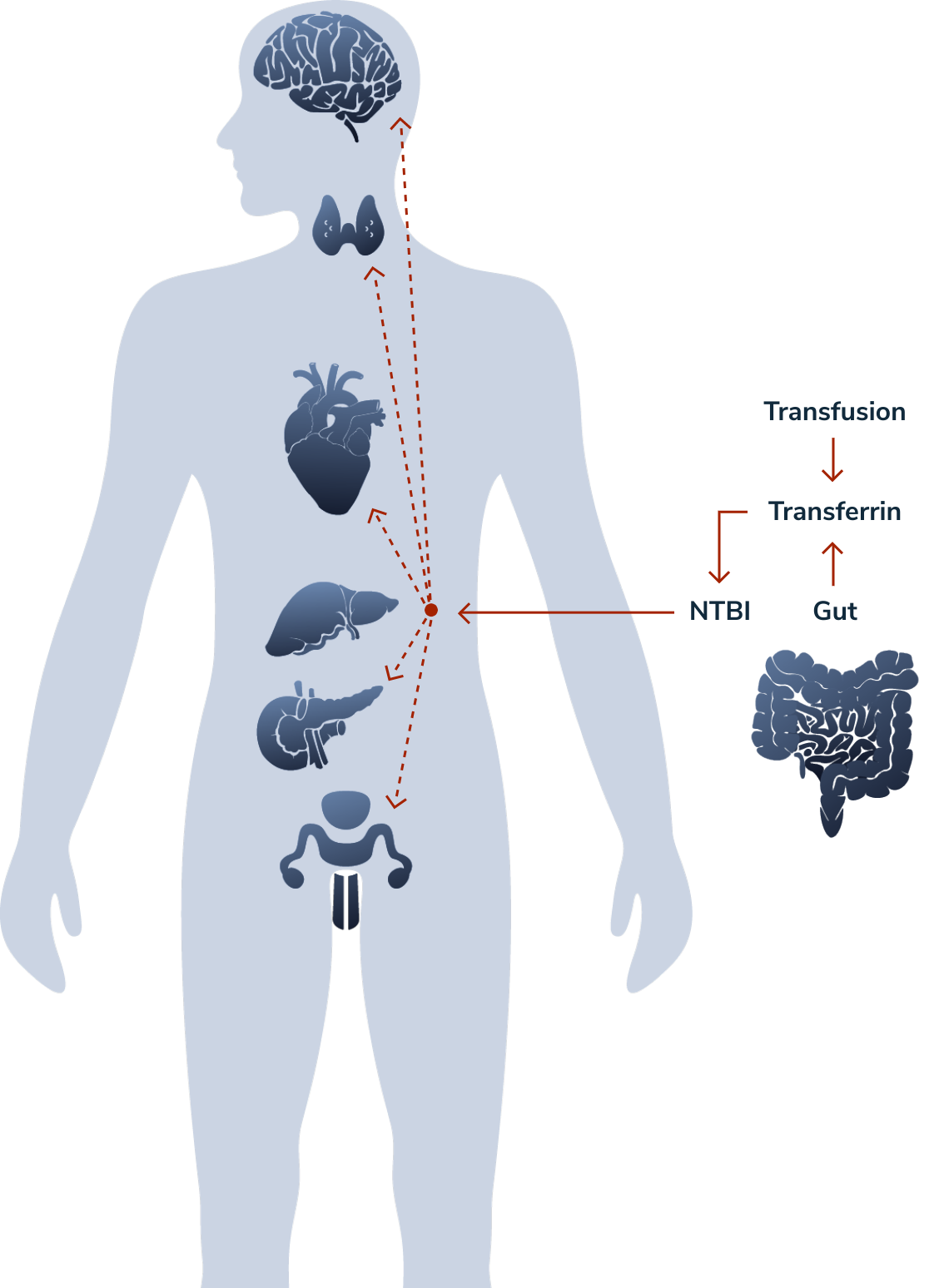
Taking iron when not medically necessary or continuing supplementation after iron levels normalize can lead to iron accumulation in vital organs. Watch for these subtle signs developing over months:
- Unexplained joint pain
- Abdominal discomfort in the upper right quadrant (liver area)
- Unusual fatigue that doesn’t improve with rest
- Irregular heart rhythms
Expert Recommendation: Have your serum ferritin levels checked every 3 months during long-term therapy. Discontinue supplementation when your levels reach the upper end of normal range for your gender.
Special Population Considerations
Certain groups experience unique side effect profiles when taking iron sulphate that require tailored management approaches.
Iron Sulphate Reactions During Pregnancy
Pregnant women often require higher iron doses but may experience amplified side effects due to hormonal changes affecting digestion. The combination of iron supplementation and pregnancy-related nausea creates significant discomfort for many expecting mothers.
Pregnancy-Specific Solution: Take your iron dose at bedtime when morning sickness symptoms typically subside. Pair with vitamin C-rich foods but avoid dairy products within 2 hours. If standard tablets prove intolerable, discuss alternative forms like iron polysaccharide with your obstetrician.
Elderly Patients and Iron Sulphate Sensitivity
Older adults frequently experience more severe side effects due to reduced kidney function and multiple medications. Iron sulphate can interact with common medications like thyroid hormone replacements and certain antibiotics.
Senior Safety Protocol: Take iron at least 4 hours apart from other medications. Monitor for black stools which may be mistaken for gastrointestinal bleeding. Consider lower-dose formulations taken more frequently rather than standard high-dose tablets.
When to Stop Iron Sulphate Immediately
Not all side effects require discontinuation, but certain reactions demand prompt cessation of the supplement.
Dangerous Interactions with Other Medications
Iron sulphate binds to certain medications in your digestive tract, preventing their absorption. More critically, some combinations create toxic reactions:
- Tetracycline antibiotics: Iron reduces antibiotic effectiveness by up to 50%
- Levothyroxine: Iron can decrease thyroid medication absorption by 30-50%
- Quinolone antibiotics: Concurrent use creates insoluble complexes
Timing Strategy: Take iron supplements at least 2 hours before or 4 hours after these medications to minimize interaction risks.
Recognizing Supplement-Induced Iron Toxicity
Your body normally regulates iron absorption, but supplementation bypasses this control mechanism. Watch for these progressive toxicity symptoms:
- Stage 1 (0-6 hours): Severe vomiting, diarrhea, abdominal pain
- Stage 2 (6-24 hours): Apparent improvement followed by metabolic acidosis
- Stage 3 (12-48 hours): Liver failure, shock, seizures
Emergency Protocol: If you suspect iron toxicity, call emergency services immediately. Do not induce vomiting. Keep the supplement container for medical personnel.
Preventing and Managing Side Effects Proactively
You can significantly improve your tolerance to iron sulphate through strategic timing, formulation choices, and complementary nutrients.
Optimal Timing for Iron Sulphate Dosing
Taking your supplement at the right time of day dramatically affects side effect severity:
- Best: 1 hour before breakfast with orange juice
- Alternative: At bedtime with a small snack containing vitamin C
- Worst: With meals high in calcium or fiber, or with tea/coffee
Time-Saving Tip: Set a daily phone reminder for your ideal dosing time to maintain consistent absorption and minimize side effects.
Alternative Iron Formulations When Side Effects Persist
If standard iron sulphate proves intolerable after trying all management strategies, discuss these alternatives with your doctor:
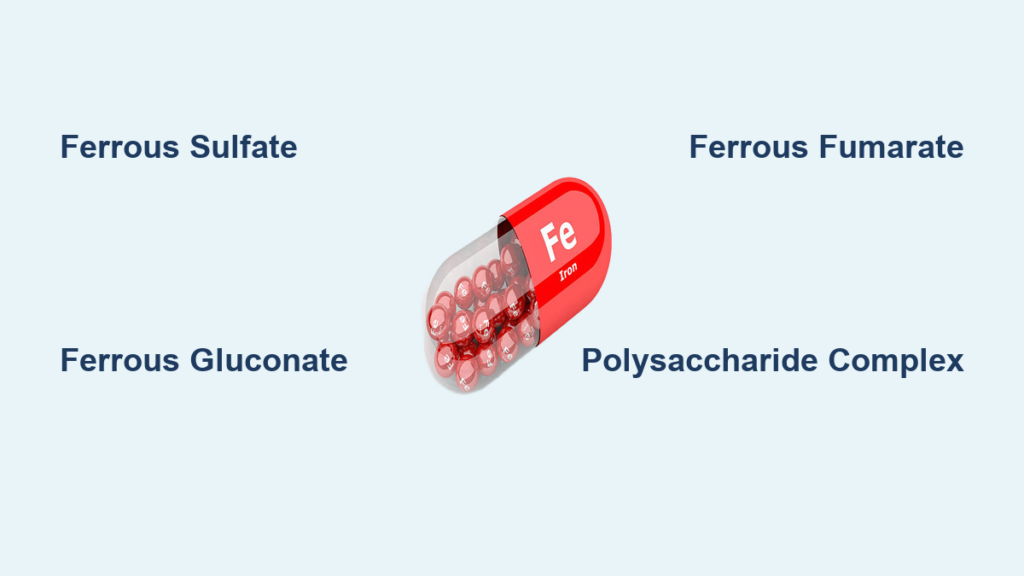
- Ferrous bisglycinate: Better absorbed with fewer GI side effects
- Iron polysaccharide: Gentler on the stomach
- Intravenous iron: For severe deficiency when oral supplements fail
Important Consideration: Alternative formulations often cost significantly more and may not be covered by insurance without documentation of intolerance to standard iron.
Final Note: Iron sulphate remains the most prescribed iron supplement worldwide due to its effectiveness and low cost, but its side effect profile requires careful management. By recognizing which reactions are normal versus dangerous, implementing practical mitigation strategies, and maintaining open communication with your healthcare provider, you can successfully treat your iron deficiency while minimizing discomfort. Always complete your prescribed course unless directed otherwise by your doctor—even if side effects occur, solutions exist that allow most patients to continue treatment safely. Remember that untreated iron deficiency carries its own serious health risks that often outweigh temporary supplement-related discomfort.