Iron deficiency affects millions of adults worldwide, yet determining the correct iron supplement dose for adults remains confusing for many. Your body needs this essential mineral for oxygen transport, energy production, and numerous cellular functions, but getting the dosage right requires understanding your specific needs based on age, sex, diet, and life stage. Whether you’re experiencing fatigue from low iron stores or simply want to optimize your supplementation strategy, this guide provides the precise dosing information you need—without the guesswork. You’ll discover exactly how much iron different adult populations require, why those needs vary dramatically, and how to supplement safely and effectively.
Determining Your Exact Iron Supplement Needs
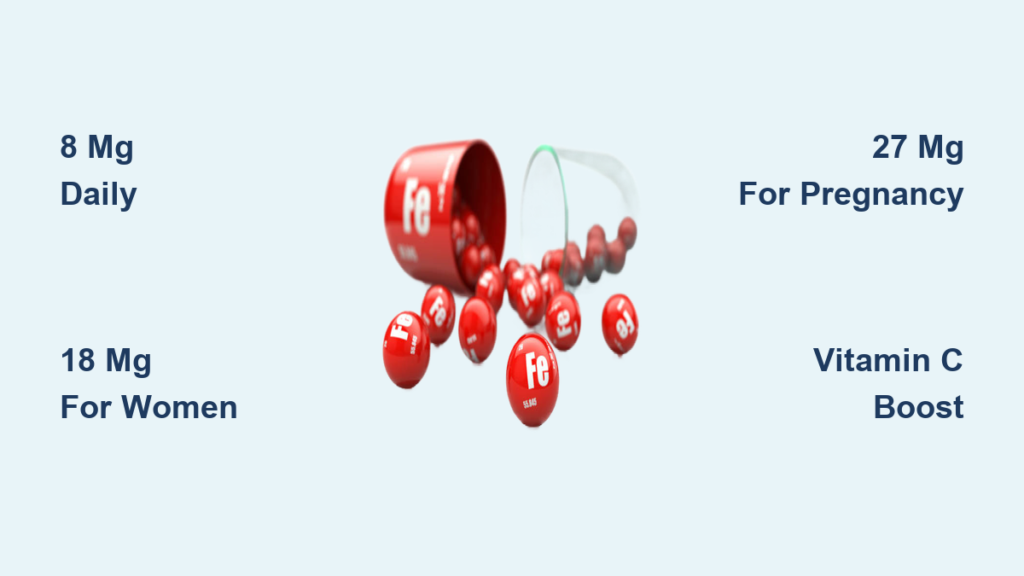
Your ideal iron supplement dose for adults depends on several critical factors that go beyond simple age and gender considerations. The Food and Nutrition Board at the National Academies of Sciences, Engineering, and Medicine has established science-based Recommended Dietary Allowances (RDAs) that range from 8 to 27 milligrams daily for adults. These values represent the total iron you should consume through both food and supplements to maintain healthy iron status.
Why Men Need Less Iron Than Women
Men aged 19-50 require only 8 milligrams of iron daily—the lowest requirement among all adult groups. This modest need reflects the absence of significant monthly blood loss that women experience. Most men who eat a balanced diet containing meat, poultry, or iron-fortified foods easily meet this requirement without supplementation. However, men following strict vegetarian diets or those with undiagnosed gastrointestinal conditions causing slow blood loss may still develop iron deficiency despite this lower baseline need.
How Menstruation Increases Women’s Iron Needs
Premenopausal women face dramatically higher iron requirements at 18 milligrams daily—more than double the male requirement. This substantial difference exists because women lose significant iron through monthly menstrual blood loss. For women with heavy periods, this 18-milligram RDA may actually underestimate true needs, making supplementation particularly important for preventing iron deficiency anemia. If you’re a woman experiencing fatigue, weakness, or pale skin, these could be signs that your current iron intake isn’t meeting your body’s demands.
Iron Requirements After Age 50
Once women pass through menopause, their iron needs drop to match men’s at 8 milligrams daily. Both men and women over 50 share this baseline requirement, reflecting the removal of menstrual iron losses from the female calculation. However, older adults shouldn’t assume they need less attention to iron status—absorption efficiency naturally decreases with age, and certain medications commonly prescribed to seniors can interfere with iron absorption or increase losses. If you’re over 50 and taking regular medications, discuss iron supplementation with your healthcare provider.
Pregnancy and Lactation: Critical Iron Requirements
Why Pregnant Women Need 27 Milligrams Daily
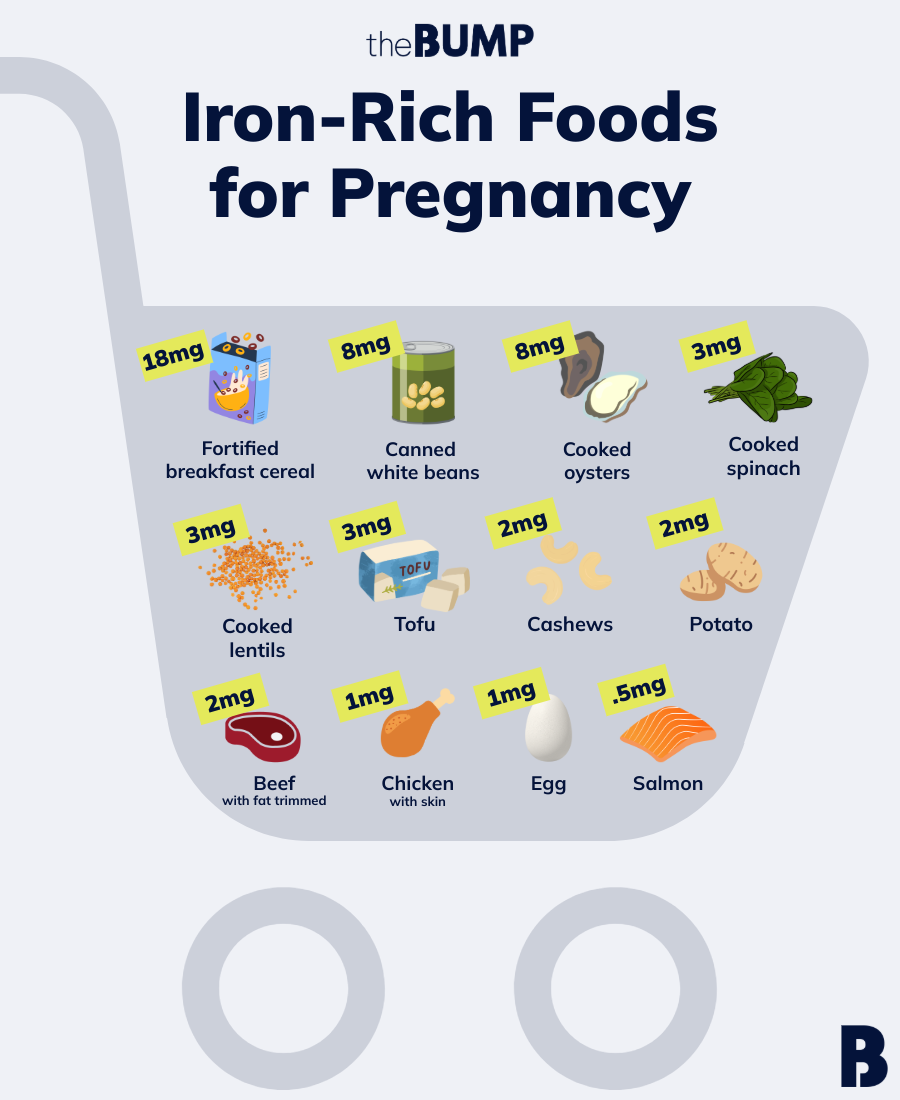
Pregnant adults require the highest iron dose of any adult population at 27 milligrams daily—regardless of age. This nearly doubles the requirement for premenopausal women and reflects the massive physiological demands of pregnancy. A pregnant woman’s blood volume expands by 40-50% to support the placenta and growing fetus, the developing baby accumulates iron stores that will last through the first months of life, and the body prepares for blood loss during delivery. Most healthcare providers prescribe prenatal vitamins containing iron specifically to help pregnant women meet this demanding requirement, as achieving this level through diet alone proves difficult for many expectant mothers.
Lactation Iron Needs: Lower Than Pregnancy
Iron requirements decrease significantly during lactation compared to pregnancy. Lactating adults aged 14-18 years need 10 milligrams daily, while those aged 19-50 years require 9 milligrams daily. These lower numbers reflect the absence of menstrual losses during lactation (many women don’t resume regular periods while exclusively breastfeeding) and the fact that iron isn’t a significant component of breast milk—the body actually conserves iron during lactation. However, women who experienced significant blood loss during delivery may still need continued supplementation to rebuild depleted iron stores.
Vegetarian and Vegan Iron Supplementation Strategies
The 1.8x Iron Requirement for Plant-Based Diets
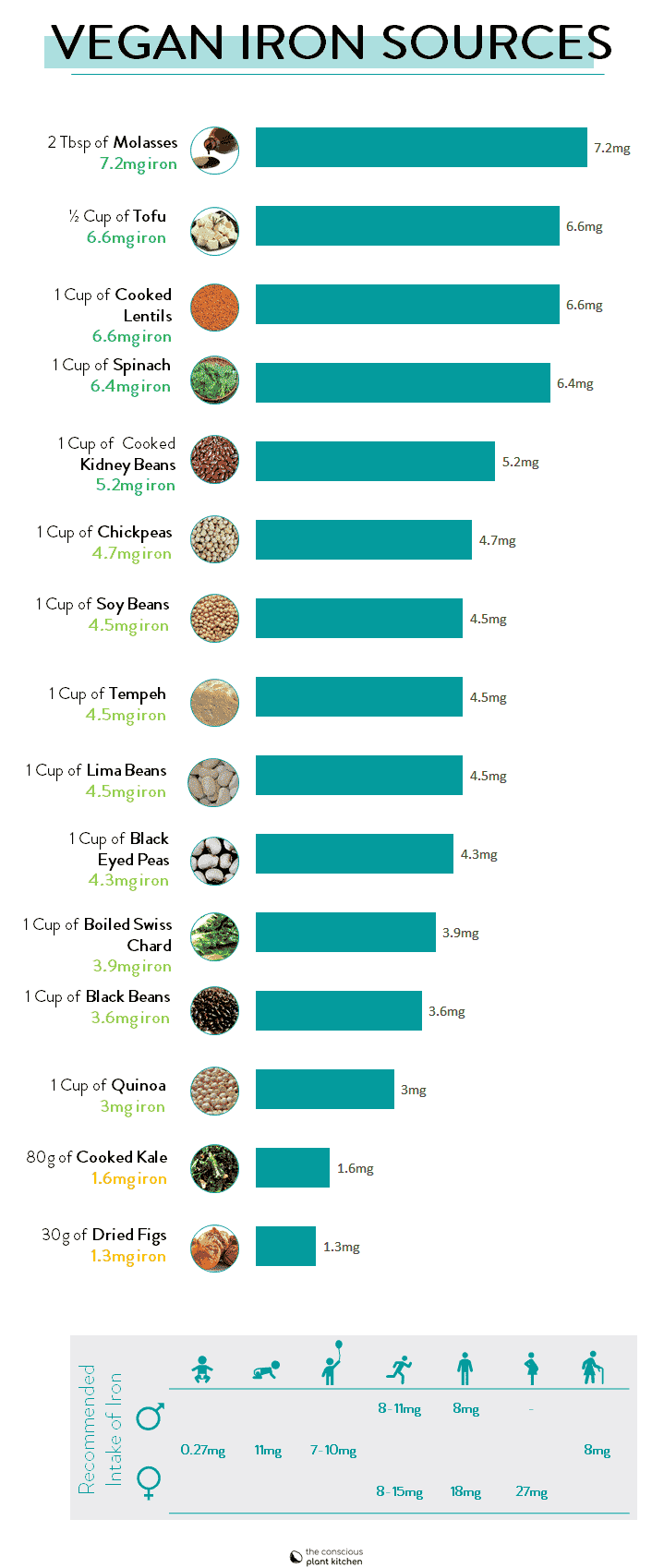
If you follow a vegetarian or vegan diet, you need approximately 1.8 times more iron than meat-eaters to achieve the same nutritional outcomes. This increased requirement exists because plants and iron-fortified foods contain only nonheme iron, the less bioavailable form of the mineral, while meat, seafood, and poultry provide both heme and nonheme iron. Heme iron from animal sources absorbs far more efficiently than nonheme iron from plant sources. Additionally, animal products enhance the absorption of nonheme iron through mechanisms researchers are still working to fully understand.
Calculating Your Vegetarian Iron Dose
Because of this 1.8 multiplier effect, vegetarians should multiply the standard RDA by 1.8 when calculating their iron needs. A premenopausal vegetarian woman, for example, would need approximately 32 milligrams daily (18 × 1.8) rather than the standard 18 milligrams. This means vegetarians are far more likely to require iron supplements to meet their needs, particularly those following strict vegan diets. Healthcare providers often recommend routine iron status monitoring through blood tests to ensure supplementation adequately addresses elevated requirements without risking iron overload.
Recognizing When You Need Iron Supplementation
The Three Stages of Iron Deficiency
Iron deficiency progresses through distinct stages that offer opportunities for intervention before full-blown anemia develops. The first stage involves depletion of iron stores (mild iron deficiency), where the body begins using up reserves stored as ferritin. During this phase, hemoglobin levels often remain normal, and symptoms may be subtle or absent. The second stage, called iron-deficiency erythropoiesis, sees iron stores become depleted and transferrin saturation decline, while hemoglobin typically stays within normal range. Only when deficiency progresses to iron deficiency anemia do classic symptoms emerge: fatigue, weakness, pale skin, shortness of breath, and decreased exercise tolerance.
Key Diagnostic Thresholds for Iron Status
Healthcare providers use several measurements to assess iron status. Serum ferritin concentration, which measures the body’s iron stores, is the most efficient test for diagnosing deficiency. A serum ferritin concentration below 30 micrograms per liter suggests iron deficiency, while a value below 10 micrograms per liter indicates iron deficiency anemia. However, inflammation from infections or chronic diseases can elevate ferritin levels and mask underlying deficiency. Hemoglobin concentrations below 12 grams per deciliter in adults suggest anemia.
Choosing the Right Iron Supplement Form
Understanding Elemental Iron Content

Iron supplements come in three primary forms, each containing different amounts of elemental iron—the actual iron your body can absorb and use:
- Ferrous sulfate: Contains approximately 20% elemental iron (a 325mg tablet provides about 65mg)
- Ferrous gluconate: Contains only 12% elemental iron (requires larger doses)
- Ferrous fumarate: Offers the highest concentration at 33% elemental iron
Balancing Absorption and Tolerability
Higher elemental iron content doesn’t always mean better supplementation—ferrous sulfate’s greater iron concentration often translates to more frequent digestive side effects like nausea and constipation. Some adults find they tolerate ferrous gluconate better despite needing to take more tablets. Extended-release or enteric-coated supplements may reduce stomach upset but often deliver less iron because the release point in the digestive tract offers suboptimal absorption conditions.
Maximizing Iron Absorption Through Strategic Timing
Key Absorption Enhancers and Inhibitors
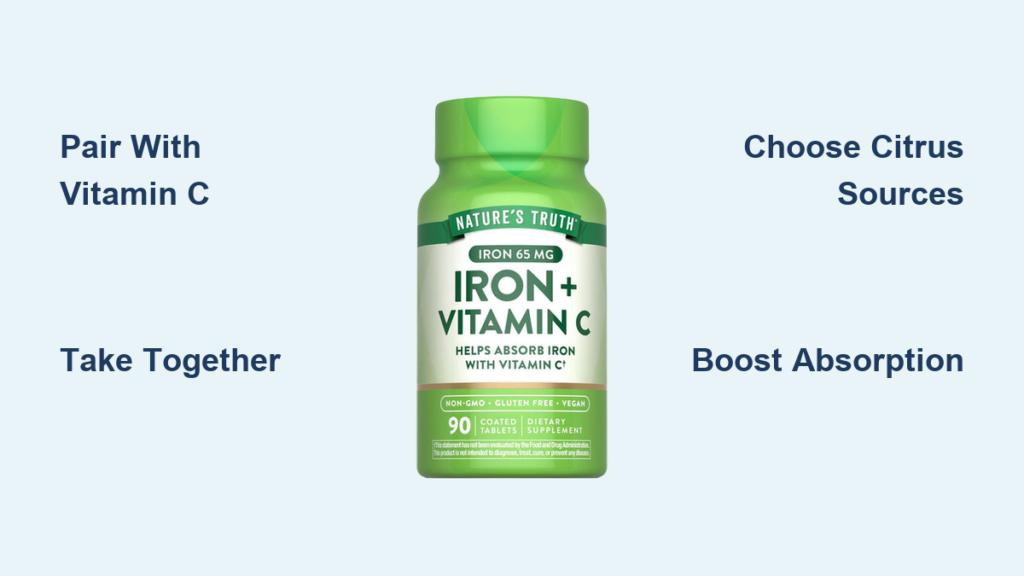
Vitamin C dramatically improves iron absorption, converting nonheme iron into a more absorbable form. Taking iron supplements with orange juice or vitamin C supplements can double or triple absorption. Conversely, calcium interferes with iron absorption and should be taken at different times—separating iron and calcium supplements by at least two hours improves uptake. Zinc, coffee, tea, and dairy products all inhibit iron absorption to varying degrees.
Optimal Timing Strategies
For maximum absorption, take iron supplements on an empty stomach when possible, ideally first thing in the morning or between meals. Food can reduce iron absorption by 50% or more, though taking supplements with food becomes necessary when digestive side effects prove intolerable. When food is required, take supplements with a small amount of vitamin C-rich food or juice to maximize absorption. Avoid coffee, tea, and calcium-containing foods for at least one hour before and two hours after iron supplementation.
Safe Iron Supplementation Practices
Risks of Iron Overdose
While iron deficiency poses real health risks, taking too much iron carries its own dangers. The body has no natural mechanism for excreting excess iron, so it accumulates in organs like the liver, heart, and pancreas, potentially causing damage over time. Men and postmenopausal women who eat balanced diets rarely need iron supplements and should avoid routine supplementation unless blood tests demonstrate deficiency. Even premenopausal women should confirm deficiency through proper testing before beginning supplementation.
Building a Sustainable Supplementation Plan
When iron deficiency has been confirmed, most healthcare providers recommend starting with moderate doses rather than immediately targeting the full RDA. Beginning with lower doses allows your digestive system to adapt and reduces the likelihood of side effects. After 2-4 weeks, doses can be gradually increased while monitoring tolerance. Iron supplementation should never become a permanent habit without periodic reassessment—rechecking serum ferritin after 8-12 weeks helps determine whether dose adjustments are needed.
Final Iron Supplement Dose Recommendations
Your ideal iron supplement dose for adults depends on your specific circumstances. Adult males over 19 and postmenopausal women need only 8 milligrams daily. Premenopausal women require 18 milligrams daily. Pregnant adults need 27 milligrams daily. Lactating adults require 9-10 milligrams daily depending on age. Vegetarians should multiply standard recommendations by 1.8 to account for reduced absorption efficiency. Never supplement based on symptoms alone—always confirm iron deficiency through proper testing and work with your healthcare provider to determine the right iron supplement dose for your specific needs.