If you’ve started taking iron supplements and suddenly feel uncomfortably bloated, you’re not alone—this frustrating side effect affects countless people managing iron deficiency. Iron supplements bloating occurs when unabsorbed iron irritates your digestive tract and disrupts normal gut function, leaving you feeling distended, uncomfortable, and questioning whether you should continue your treatment. The good news is that understanding why this happens and implementing specific strategies can dramatically reduce this common side effect while still getting the iron your body desperately needs. This guide reveals exactly how to prevent and manage iron supplement bloating without compromising your treatment effectiveness.
Many people face the unfortunate irony of needing iron supplements to resolve anemia while battling uncomfortable bloating that makes daily life miserable. Research shows gastrointestinal symptoms like bloating affect up to 70% of people taking standard iron formulations, particularly ferrous fumarate. The unabsorbed iron travels through your digestive system, interacting with gut bacteria and slowing intestinal movement—creating perfect conditions for gas buildup and abdominal distension. But abandoning your iron supplements isn’t the solution either, as untreated iron deficiency leads to fatigue, weakness, and more serious health complications. The key lies in strategically managing your supplementation to minimize these uncomfortable side effects.
Why Iron Supplements Trigger Bloating and Gas Buildup
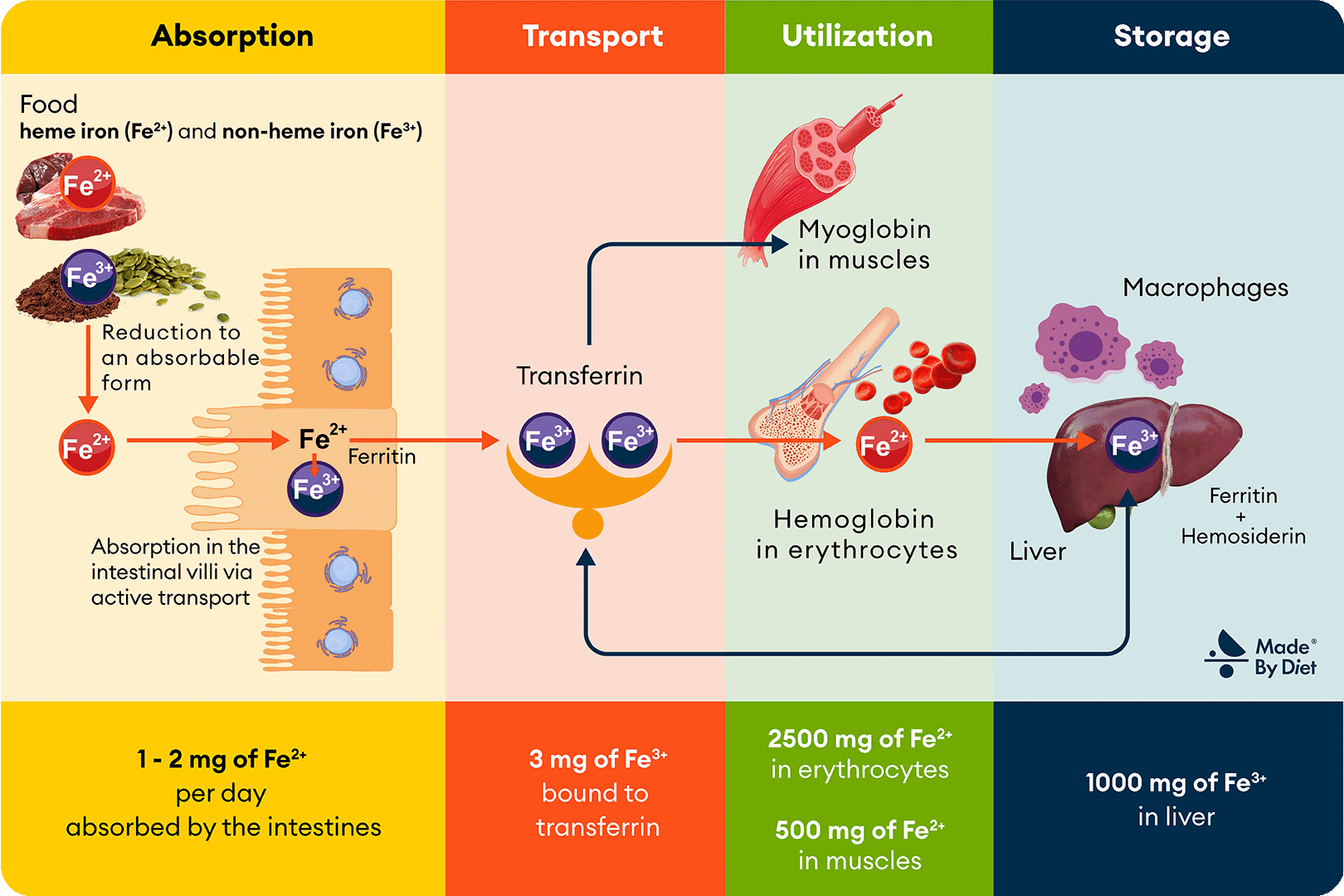
Iron supplements bloating happens primarily because your body absorbs only a portion of the supplemental iron you consume, leaving excess iron to travel through your digestive tract. This unabsorbed iron irritates your intestinal lining and alters your gut bacteria composition, leading to increased gas production. The iron essentially acts as a digestive irritant that slows intestinal motility—meaning food and waste move more slowly through your system. This delayed transit time allows more opportunity for gas-producing bacteria to ferment undigested material, resulting in significant bloating, abdominal pressure, and discomfort that often peaks within hours of taking your supplement.
The specific iron compound you take directly impacts your bloating severity. Ferrous fumarate, which contains the highest concentration of elemental iron, frequently causes more pronounced bloating than alternatives like ferrous gluconate. While ferrous fumarate delivers more iron per tablet (meaning you might take fewer pills), its higher iron content creates greater potential for digestive irritation. The chemical properties of iron itself contribute to this issue—iron is naturally reactive and can trigger inflammatory responses in your gastrointestinal tract that increase gas production and slow digestion. Understanding this mechanism helps you and your healthcare provider select the right formulation for your sensitive system.
How Iron Supplements Affect Your Gut Microbiome
Iron supplements significantly alter your gut bacteria balance, which plays a crucial role in bloating development. The excess iron that isn’t absorbed becomes food for certain gas-producing bacteria in your colon, causing them to multiply rapidly and produce more hydrogen and methane gas. This microbial shift creates uncomfortable pressure and distension in your abdomen. Research shows that iron supplementation can reduce beneficial bacteria while allowing gas-producing strains to thrive—a perfect recipe for persistent bloating. Recognizing this connection explains why bloating often accompanies other digestive symptoms like constipation when taking iron supplements.
Timing Tactics That Reduce Iron Supplement Bloating
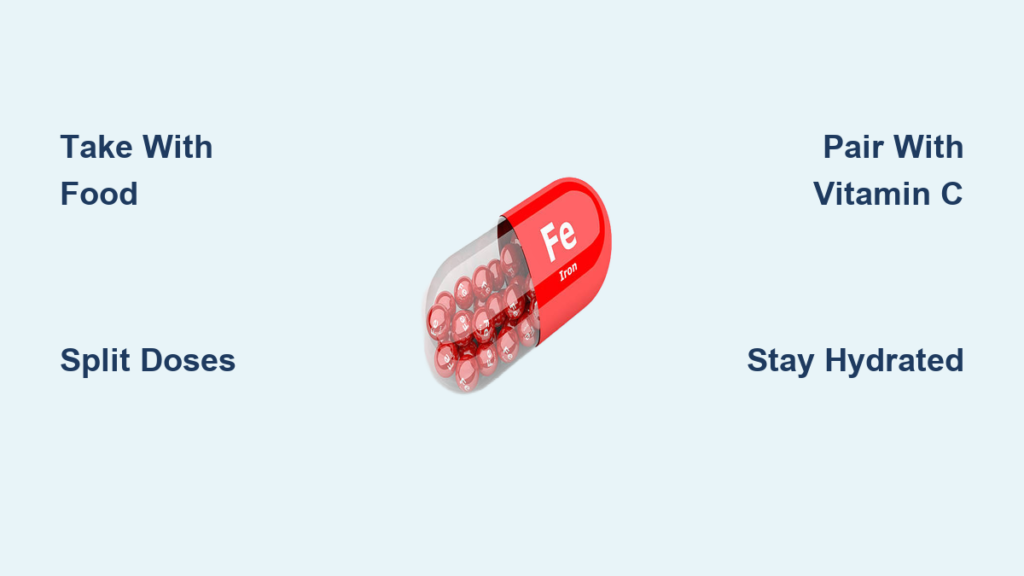
When you take your iron supplement dramatically affects your bloating levels. Taking iron supplements with food—specifically immediately after a meal rather than during or before—creates a protective buffer between the iron and your sensitive stomach lining. This simple timing adjustment can reduce bloating by up to 50% for many people. Opt for lighter meals rather than heavy, fatty foods, as large meals can slow iron absorption and increase the time iron remains in contact with your intestinal lining. Avoid taking iron with dairy products, calcium-fortified foods, or beverages containing caffeine, as these interfere with absorption and may increase unabsorbed iron that contributes to bloating.
Splitting your daily dose into two or three smaller portions throughout the day provides another powerful bloating reduction technique. Instead of taking one large dose that floods your digestive system with iron all at once, dividing your total daily requirement allows your body to process smaller amounts more efficiently. For example, if your prescription calls for 325mg of ferrous sulfate daily, taking 162.5mg twice daily often causes less bloating than the single dose. This approach maintains more consistent iron levels in your digestive tract and reduces the concentration of unabsorbed iron that irritates your system and triggers gas production.
Strategic Food Pairings for Better Tolerance
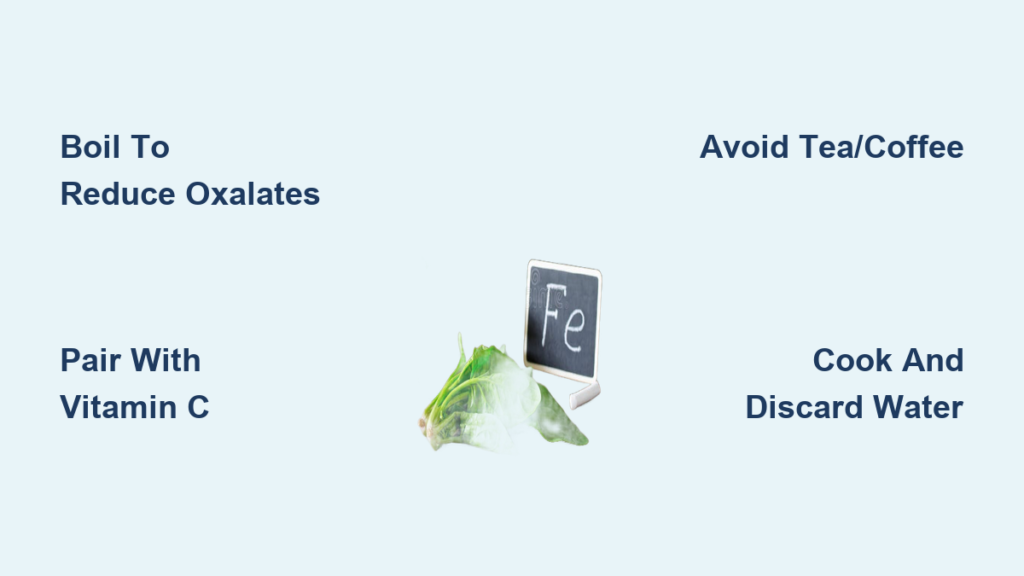
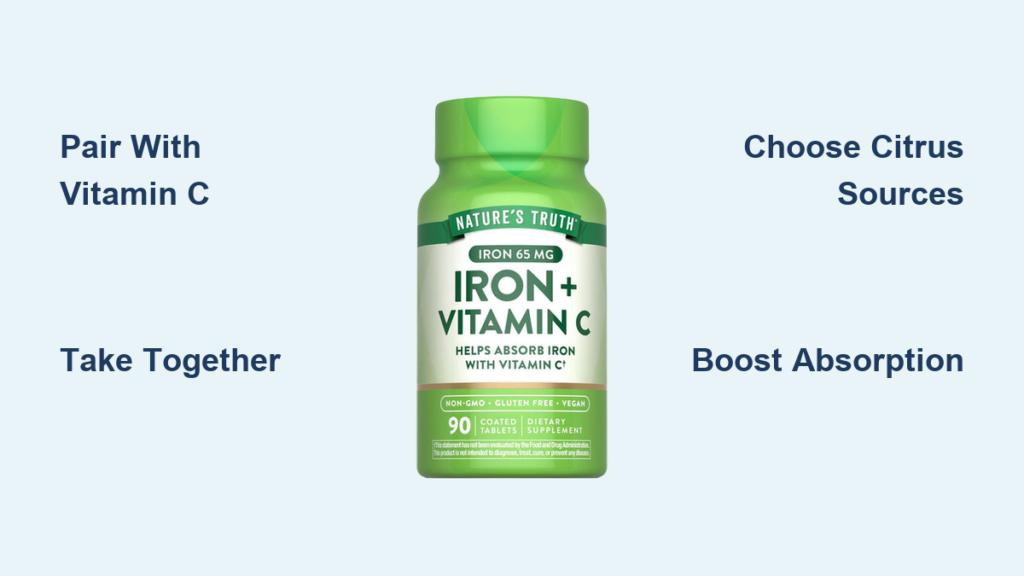
Pairing your iron supplement with vitamin C-rich foods significantly improves absorption while potentially reducing bloating. A small glass of orange juice or a handful of strawberries with your supplement can increase iron absorption by up to 67%, meaning less unabsorbed iron remains to irritate your digestive system. Conversely, avoid taking iron with calcium-rich foods, tea, coffee, or high-fiber meals that can bind to the iron and prevent absorption—leaving more iron to travel through your system and cause bloating. Timing your iron dose at least two hours away from dairy products, antacids, or calcium supplements creates optimal conditions for absorption and minimal digestive distress.
Hydration and Movement Solutions for Immediate Relief
Proper hydration represents one of the most overlooked yet effective solutions for iron supplement bloating. Water helps soften stool and prevent the constipation that frequently accompanies and worsens bloating during iron supplementation. Aim for consistent fluid intake throughout the day—sip water regularly rather than drinking large amounts infrequently. A simple guideline: if your urine isn’t pale yellow, you’re not drinking enough water. Increasing your water intake by just 16-32 ounces daily can significantly reduce both constipation and the associated bloating that plagues many iron supplement users.
Physical activity provides another immediate bloating relief strategy that works synergistically with proper hydration. Even brief walks of 10-15 minutes after meals stimulate intestinal activity and help move gas through your digestive system more efficiently. If your job requires prolonged sitting, set a timer to stand and stretch every 30 minutes—this simple habit prevents gas from becoming trapped and causing uncomfortable pressure. Gentle abdominal massage in a clockwise direction around your navel can also provide quick relief when bloating strikes, helping to move trapped gas through your system.
Dietary Adjustments to Minimize Bloating During Supplementation
Gradually increasing dietary fiber while managing iron supplementation requires careful balance—too much too quickly can worsen bloating. Focus on soluble fiber sources like oats, apples, and beans, which tend to produce less gas during digestion than insoluble fibers. Introduce new high-fiber foods slowly over several days rather than all at once, allowing your digestive system time to adjust. Pairing increased fiber with adequate hydration prevents the constipation that can compound bloating, creating a more comfortable digestive environment while taking iron supplements.
Temporarily reducing gas-producing foods during the first few weeks of iron supplementation can provide meaningful bloating relief. Common culprits include beans, lentils, cruciferous vegetables (broccoli, cabbage, cauliflower), onions, and carbonated beverages. You don’t need to eliminate these nutritious foods permanently—just scale back while your body adjusts to the iron supplements. Reintroduce them gradually once your digestive system stabilizes, monitoring your tolerance. Smaller, more frequent meals also work better than large portions when experiencing iron supplement bloating, as they prevent overloading your digestive system and minimize gas accumulation.
When to Switch Supplement Forms for Less Bloating

If bloating persists despite timing adjustments and dietary modifications, changing your iron supplement formulation might provide relief. Ferrous gluconate typically causes fewer gastrointestinal side effects than ferrous fumarate while still providing therapeutic iron levels. Though it contains less elemental iron per tablet, its gentler formulation often means better tolerance with reduced bloating. Discuss this option with your healthcare provider—they may recommend switching formulations while maintaining the same total daily elemental iron dose to ensure effective treatment without the uncomfortable side effects.
Liquid iron supplements offer another alternative worth considering for persistent bloating. These formulations absorb more directly in the mouth and upper digestive tract, potentially reducing the amount that reaches your intestines to cause gas production. While liquid iron can temporarily stain teeth (easily prevented by rinsing your mouth thoroughly with water after each dose), many users report significantly less bloating compared to tablets. The taste may require adjustment, but the potential reduction in digestive discomfort often makes this trade-off worthwhile for those struggling with severe bloating from standard formulations.
Warning Signs That Require Medical Attention
While most iron supplement bloating represents manageable side effects, certain symptoms demand prompt medical evaluation. Black, tar-like stools or visible blood in your stool could indicate gastrointestinal bleeding rather than the normal darkening caused by iron supplements. Severe abdominal pain accompanied by persistent vomiting or signs of dehydration (reduced urination, extreme thirst, dizziness) requires immediate attention. If bloating becomes so severe it prevents normal daily activities or doesn’t improve after implementing these strategies for two weeks, consult your healthcare provider to rule out other underlying conditions or discuss alternative treatment approaches.
Long-Term Bloating Prevention Strategies

Successfully managing iron supplement bloating long-term requires establishing sustainable habits rather than seeking quick fixes. After your digestive system adjusts to supplementation (typically 2-4 weeks), you can gradually reintroduce temporarily eliminated foods while monitoring your tolerance. Consistency in your supplementation routine—taking iron at the same time each day with the same food pairing—helps your body adapt more efficiently. Building this habit into your existing routine (like taking your supplement with breakfast daily) increases adherence and reduces the digestive disruption that contributes to bloating.
Regular follow-up with your healthcare provider ensures your iron supplementation remains appropriate as your iron levels improve. Periodic blood tests allow for dosage adjustments that may reduce your daily iron intake as your deficiency resolves, potentially minimizing ongoing side effects including bloating. Discuss any persistent or changing symptoms at these appointments—your provider might recommend switching to a lower dose taken more frequently, trying a different iron formulation, or exploring alternative treatments like intravenous iron if oral supplements continue causing significant bloating despite all interventions.
By implementing these targeted strategies, you can successfully manage iron supplement bloating while still addressing your underlying iron deficiency. Remember that most people find their digestive system adjusts to iron supplementation within a few weeks, and the bloating becomes significantly less noticeable over time. With the right approach to timing, formulation, and dietary management, you can achieve therapeutic iron levels without sacrificing your daily comfort.