Few desserts capture the charm and tradition of Easter quite like a beautifully baked lamb cake. This iconic dessert, with its golden-brown crust, tender interior, and adorable woolly appearance, has graced Easter tables for generations. Using a cast iron mold elevates this classic lamb cake recipe for cast iron mold to new heights, producing a cake with superior texture, even browning, and remarkably detailed features that other mold materials simply cannot match. Whether you’re continuing a family tradition or creating new memories, mastering this recipe ensures a stunning centerpiece that delights guests of all ages.
The magic of cast iron lies in its exceptional heat retention and distribution. Unlike aluminum or silicone, cast iron creates a slight crust on the cake’s exterior while keeping the interior moist and tender. The weight of the iron also maintains pressure on the mold seams during baking, preserving every curl and detail of the lamb’s distinctive woolly texture. This guide walks you through everything from preparation and recipe creation to decoration techniques and troubleshooting, giving you all the knowledge needed to bake a lamb cake that becomes the highlight of your Easter celebration.
Why Cast Iron Molds Excel for Lamb Cakes
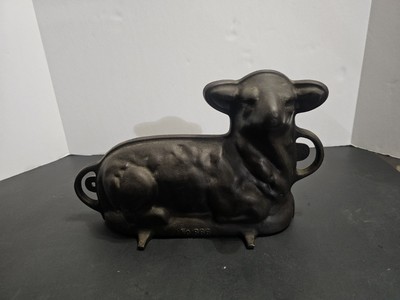
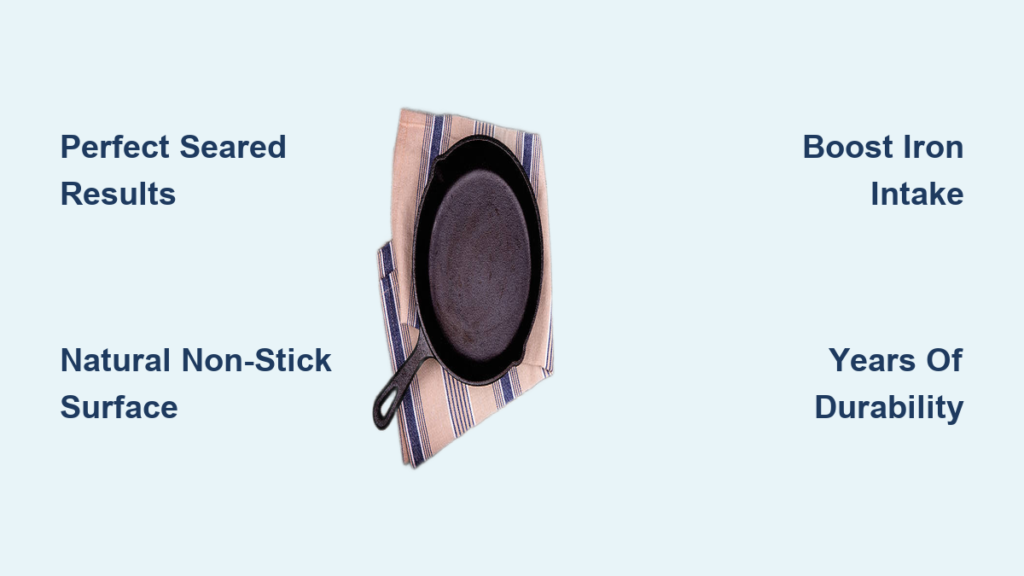
Cast iron has earned its reputation as the gold standard for lamb cake baking, and understanding why helps you appreciate the process and achieve better results. The material’s density allows it to absorb and distribute heat evenly throughout the entire mold surface, eliminating the hot spots that cause uneven baking in thinner materials. This consistent heat distribution means every part of your lamb cake—from the thick body to the delicate ears—cooks at the same rate, preventing the common problem of overcooked edges with undercooked centers.
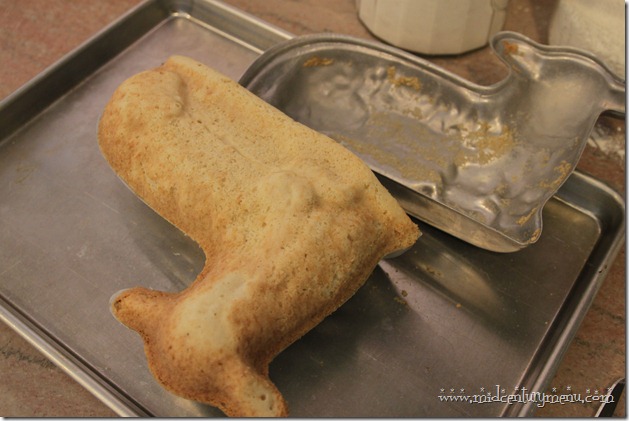
The weight of a cast iron lamb cake mold, typically ranging from 8 to 12 pounds when filled with batter, serves a crucial purpose beyond just durability. This substantial mass keeps the two mold halves pressed together firmly throughout the baking process, ensuring that batter doesn’t leak and that the intricate details of the lamb design remain sharp and well-defined. When you remove a lamb cake from a cast iron mold, you’ll notice crisp edges and clear facial features that simply don’t reproduce as cleanly in lighter molds.
Beyond performance, cast iron molds carry significant sentimental value. Many families have passed down vintage molds from grandparents or great-grandparents, creating a tangible connection to family history. These heirloom pieces, often marked with the names of old American foundries, produce cakes that taste not just of butter and sugar, but of tradition and memory. If you don’t have a family mold, modern reproductions capture the same excellent baking properties, meaning you can start your own tradition to pass down to future generations.
Classic Lamb Cake Recipe That Works Perfectly
This traditional lamb cake recipe for cast iron mold produces a moist, slightly dense cake that holds its shape beautifully while remaining tender and flavorful. The buttery base pairs perfectly with cream cheese frosting, creating a dessert that balances sweetness with richness without overwhelming the palate.
Ingredients for the Cake
You will need 2 cups of all-purpose flour (260 grams), sifted to remove any lumps and ensure a smooth batter. Add 2 teaspoons of baking powder and ½ teaspoon of salt to the flour, whisking these dry ingredients together in a medium bowl. This step distributes the leavening evenly throughout the flour, which prevents uneven rising and ensures your lamb maintains proper shape during baking.
For the fat component, gather 1 cup of unsalted butter, softened to room temperature (226 grams), and 1 cup of granulated sugar (200 grams), and 4 large eggs at room temperature. The room temperature eggs incorporate more easily into the creamed butter, creating a smoother batter with better volume. For flavor, have 1 teaspoon of vanilla extract and ½ teaspoon of almond extract ready, along with ¾ cup of whole milk (175 ml), at room temperature.
Frosting and Decoration Essentials
The classic frosting requires 8 ounces of softened cream cheese, ½ cup of softened unsalted butter, and 4 cups of sifted powdered sugar (480 grams). Add 1 teaspoon of vanilla extract and a pinch of salt to balance the sweetness. For decoration, gather ½ cup of shredded coconut for the woolly texture, red licorice for the collar, candy eyes or small dark candies for the eyes, and small pink jelly beans or runts for the nose. These simple decorations transform your baked cake into the charming lamb that makes this dessert so beloved.
Prepare Your Cast Iron Mold for Flawless Release
Proper mold preparation determines whether your lamb cake releases cleanly or sticks stubbornly to the iron. Before first use, wash your cast iron mold thoroughly with hot water and mild soap to remove any manufacturing residues or protective coatings. Dry the mold completely with a clean towel, paying special attention to the crevices and detailed impressions where moisture can hide and cause rust.
After cleaning, season the mold by applying a thin layer of vegetable shortening or melted butter to all interior surfaces. Use a pastry brush or your fingers to work the shortening into every crevice, particularly the facial features and woolly body patterns where batter tends to pool. This step is critical—inadequate greasing causes the cake to stick to the mold surfaces, ruining your carefully crafted dessert.
For ongoing maintenance between bakes, avoid using soap on the cast iron after each use. Instead, wipe the mold clean with a damp cloth or rinse briefly with hot water, then dry immediately to prevent rust. Periodically re-season the mold by applying a thin oil layer and heating it in a warm oven for about 20 minutes. This simple maintenance routine keeps your mold in excellent condition for decades, allowing you to pass it down as a family heirloom.
Bake the Perfect Lamb Cake Without Fail
Preheat your oven to 325°F (165°C) before beginning any mixing. This lower temperature is essential for cast iron baking because the dense material retains heat intensely. A higher temperature would brown the exterior too quickly while leaving the interior undercooked. Allow the oven to fully reach temperature before placing the mold inside, as temperature fluctuations during the initial baking phase can cause the cake to rise unevenly or develop a coarse texture.
Thoroughly grease all interior surfaces of your cast iron mold with softened butter or vegetable shortening, paying extra attention to the crevices and detailed areas. Place the mold on a sturdy baking sheet for easy handling and to catch any potential overflow. Divide the batter evenly between the two mold halves, filling each approximately three-quarters full. Critical tip: Overfilling causes batter to leak from the mold during baking, creating a mess and potentially ruining your cake’s shape.
Bake for 50-60 minutes, though actual time depends on your oven’s accuracy and the mold’s thickness. Avoid opening the oven door during the first 40 minutes, as temperature fluctuations can cause the cake to collapse. The cake is done when a toothpick inserted into the thickest part comes out clean, or when an instant-read thermometer shows 205°F (96°C). Remove the mold and allow it to cool on a wire rack for 15-20 minutes before attempting to open it.
Cream Cheese Frosting That Complements Your Lamb Cake
The classic accompaniment to a lamb cake is a rich cream cheese frosting that complements the buttery cake while providing a smooth canvas for decorations. This frosting recipe produces enough to cover an entire lamb cake with some left over for piping decorative details.
Combine 8 ounces of softened cream cheese with ½ cup of softened unsalted butter in a large mixing bowl. Beat these together on medium speed until the mixture is completely smooth and free of lumps, which takes approximately 2-3 minutes. Never skip this step—cold cream cheese creates a lumpy frosting that proves difficult to spread and ruins the cake’s appearance.
Add 4 cups of sifted powdered sugar, 1 teaspoon of vanilla extract, and a pinch of salt. Begin mixing on low speed to incorporate the sugar without creating a dust cloud, then increase to medium speed and beat until the frosting is smooth and spreadable. If the frosting seems too stiff, add milk one tablespoon at a time until you reach the desired consistency. For a pure white frosting suitable for decoration, use clear vanilla extract and ensure your butter and cream cheese have no yellow undertones.
Decorate Your Lamb Cake Like a Pro
The decoration transforms your baked cake into the charming lamb that makes this dessert so beloved. Start by applying a thin crumb coat of frosting all over the cake’s surface. This initial layer traps loose crumbs and provides a smooth base for the final frosting application. Allow the crumb coat to set for 15-20 minutes before adding the final layer of frosting.
For the final coat, use an offset spatula or butter knife to create a smooth, even layer covering all exposed surfaces. The cast iron mold’s impression naturally provides a woolly texture, so resist the urge to over-complicate the frosting application. However, you can enhance the woolly appearance by pressing shredded unsweetened coconut into the frosting while it’s still tacky. Lightly toast the coconut in a 350°F oven for 5-7 minutes until golden brown for added visual appeal and flavor.
The face determines your lamb’s personality and charm. Attach candy eyes slightly apart and angled outward for an innocent, appealing expression. Position a pink jelly bean or runt in the center of the face for the nose, adding two tiny dots of black food coloring or small pieces of black licorice for nostrils. Small pieces of pink-tinted white chocolate or fondant attached to the ears add a pop of color that makes the features stand out.
Fix Common Baking Problems Before They Ruin Your Cake
Even experienced bakers encounter challenges with lamb cake recipes for cast iron molds. Understanding common problems and their solutions ensures success every time you bake.
Cake Sticking to Mold
The most frequent issue occurs when the cake sticks to the mold surfaces. This problem typically stems from inadequate greasing or failure to properly season the mold before use. Ensure all interior surfaces receive thorough coverage with shortening, paying special attention to crevices and detailed areas where batter can pool. If a stuck cake resists release, return the closed mold to a 325°F oven for 10-15 minutes to soften the exterior, or place it in the freezer for 20-30 minutes to cause the cake to contract slightly away from the metal.
Uneven Baking
Uneven baking results from oven temperature issues or improper mold preparation. Always use an oven thermometer to verify your oven’s actual temperature, as many run hotter or cooler than their settings indicate. The 325°F temperature is essential—higher temperatures brown the exterior before the interior cooks through. Ensure batter divides evenly between both mold halves, as an unbalanced fill causes one side to cook faster than the other.
Cracked or Broken Cake
A cracked cake often indicates overmixing after adding flour, which develops excess gluten and creates a tough, less flexible crumb structure. Mix only until ingredients combine, and avoid pressing down on the batter when filling the mold. Temperature shock also causes cracking—never place a hot cake in the refrigerator or freezer. Allow cakes to cool gradually at room temperature for the best texture and appearance.
Store Your Lamb Cake Properly for Maximum Freshness
A properly frosted lamb cake stored at room temperature remains fresh for 2-3 days when kept in a cool, dry location. The cream cheese frosting acts as a partial barrier, helping retain moisture in the cake beneath. Avoid direct sunlight or heat sources, which soften the frosting and accelerate drying.
For longer storage, refrigerate the lamb cake in an airtight container or tightly wrapped in plastic wrap. The cake maintains optimal quality for 5-7 days when refrigerated. Before serving, remove the cake from the refrigerator and allow it to come to room temperature for 1-2 hours, which restores the best flavor and texture.
Both frosted and unfrosted lamb cakes freeze well for up to 2-3 months. Wrap unfrosted, completely cooled cakes tightly in plastic wrap, then in aluminum foil, and place in a freezer bag or airtight container. Thaw overnight in the refrigerator before bringing to room temperature and frosting.
The lamb cake represents more than just a dessert—it embodies tradition, family, and the joy of creating something beautiful with your hands. Whether you use a treasured family mold passed down through generations or a newly acquired reproduction, the process of baking, decorating, and sharing a lamb cake connects you to bakers who came before and those who will follow. Embrace the imperfections that make handmade cakes charming, and know that the love and effort you put into this Easter tradition create memories that outlast any cake.