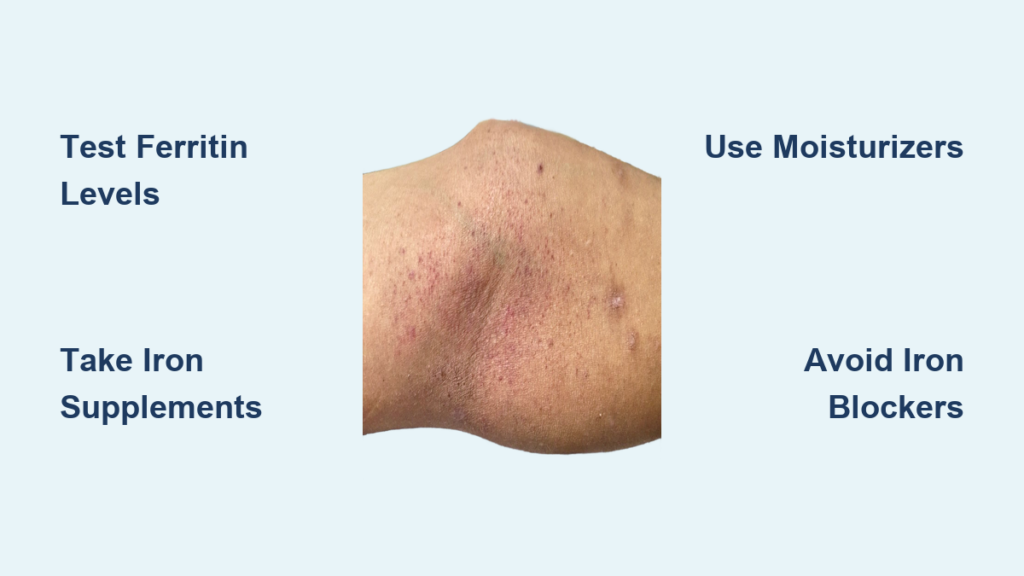
You’ve tried every moisturizer, eliminated potential allergens, and visited your dermatologist multiple times, yet your persistent rash keeps returning. What if the cause isn’t on your skin at all but inside your body? Research shows that low iron levels trigger skin rashes and intense itching in nearly 80% of iron-deficient patients. This hidden connection between low iron and skin rash affects millions worldwide, yet many sufferers never connect their itchy skin to this common nutritional deficiency.
Iron deficiency impacts approximately 13% of the global population, with women experiencing significantly higher rates than men due to menstrual blood loss, pregnancy, and lactation. When your body lacks sufficient iron, it disrupts enzymatic processes essential for skin barrier function, cellular turnover, and wound healing. This metabolic disruption manifests as dry, itchy skin that often worsens with scratching, creating a frustrating itch-scratch-rash cycle that resists conventional dermatological treatments.
Understanding how low iron triggers skin symptoms empowers you to recognize warning signs early and pursue targeted treatment. This guide reveals the science-backed connection between iron deficiency and skin rash, explains how to identify iron-related skin changes, and provides actionable steps to restore both your iron levels and skin health—whether you’re experiencing mild itching or severe rashes that disrupt your sleep and daily life.
Identify Iron Deficiency Skin Symptoms Before Anemia Develops
You don’t need to develop full-blown anemia before experiencing skin symptoms from low iron. Iron deficiency progresses through stages, and dermatological manifestations often appear during the “iron deficiency without anemia” phase when your iron stores are depleted but hemoglobin remains technically normal. Recognizing these early skin changes helps you address the problem before it worsens.
The most common skin manifestation is persistent pruritus (itching), which affects nearly all iron-deficient patients to some degree. Research using the Visual Analog Scale shows that 25% of patients experience very severe itching scoring above 9 on a 10-point scale. This isn’t ordinary dry skin—it’s a deep, relentless itch that often worsens at night and fails to respond to standard anti-itch creams.
Pro Tip: Track your itching intensity on a 1-10 scale and note when it occurs. Iron-related itching typically intensifies in the evening and improves slightly in the morning, unlike allergy-related itching which often follows exposure patterns.
Your skin may also display these specific changes:
– Extreme dryness (xerosis) affecting 78% of iron-deficient patients
– Spoon-shaped nails (koilonychia) in approximately 36% of cases
– Brittle hair and nails affecting half and nearly 30% of patients respectively
– Cracks at the corners of your mouth (angular cheilitis) in about 19% of cases
– Smooth, shiny tongue due to papillae atrophy
Unlike contact dermatitis which appears in specific exposed areas, iron deficiency causes generalized skin changes that can occur anywhere on your body. This widespread distribution pattern often clues doctors into an internal rather than external cause.
Understand Why Low Iron Causes Skin Rashes and Itching
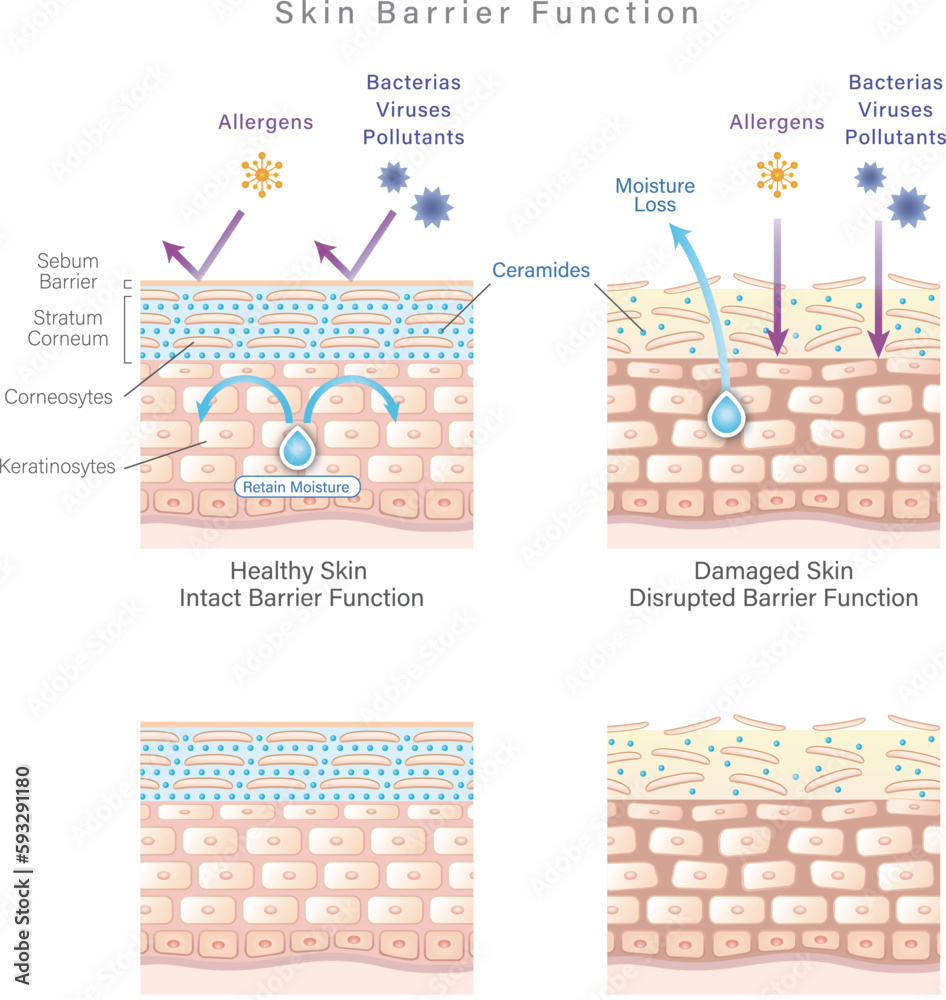
Your skin’s reaction to low iron isn’t random—it stems from specific physiological mechanisms that create a perfect storm for uncomfortable dermatological symptoms. Knowing these processes helps you understand why simply treating the rash won’t solve the underlying problem.
Iron deficiency causes your skin to thin significantly, increasing transepidermal water loss and leading to severe dryness. This compromised skin barrier makes you more susceptible to irritation and triggers the itch-scratch cycle: you scratch itchy areas, damaging the skin further, which increases inflammation and intensifies the itching sensation. Breaking this cycle requires addressing the root cause—your iron levels—not just the surface symptoms.
Warning: Chronic scratching of iron-deficiency-related rashes can lead to lichenification (thickened, leathery skin) and secondary bacterial infections. If you notice increased redness, warmth, or pus in scratched areas, seek medical attention immediately.
Iron serves as a crucial cofactor for enzymatic reactions involved in:
– Epidermal cell differentiation and turnover
– Lipid synthesis for skin barrier integrity
– DNA repair mechanisms
– Collagen production
When iron becomes deficient, these processes slow or malfunction, directly compromising your skin’s structure and function. Additionally, research shows iron deficiency may alter nervous system pathways that transmit itch sensations, explaining why some patients experience severe itching despite relatively minor visible skin changes.
Diagnose Low Iron Before Skin Symptoms Worsen
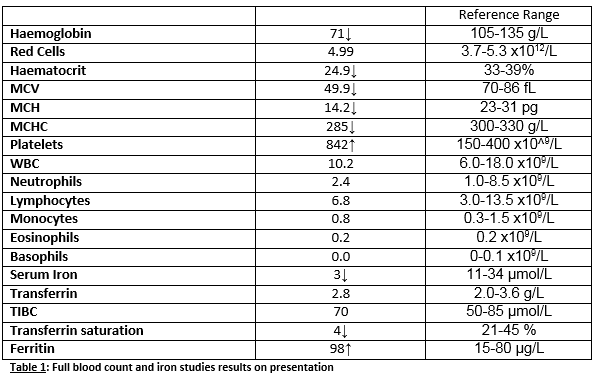
You can’t treat what you haven’t properly identified. Diagnosing iron deficiency as the cause of your rash requires specific testing beyond a standard physical exam, as many patients have “iron deficiency without anemia” where skin symptoms appear before blood tests reveal significant abnormalities.
Essential Diagnostic Tests:
– Complete Blood Count (CBC): Checks hemoglobin levels (below 12 g/dL for women, 13 g/dL for men indicates anemia) and red blood cell indices
– Serum Ferritin Test: The most specific test for iron stores (below 15 μg/L confirms iron deficiency)
– Physical Examination: Assesses for conjunctival pallor (88% of iron-deficient patients), spoon nails, and tongue changes
Unlike general fatigue that might accompany many conditions, iron-related skin symptoms follow a distinct pattern. The itching typically intensifies in the evening and shows no clear relationship to environmental triggers. Your rash won’t respond well to topical steroids alone but will gradually improve as your iron levels normalize.
Expert Note: Some laboratories use different ferritin cutoff values. While the WHO recommends <15 μg/L, some institutions use <30 μg/L as the threshold for iron deficiency in women. Discuss your specific results with your healthcare provider.
Implement Targeted Treatments That Resolve Iron-Related Rashes
Treating low iron and skin rash requires a dual approach: correcting the underlying iron deficiency while managing skin symptoms during the repletion period. Simply applying topical treatments provides only temporary relief, while addressing the iron deficiency resolves both the rash and its root cause.
Effective Iron Repletion Strategies:
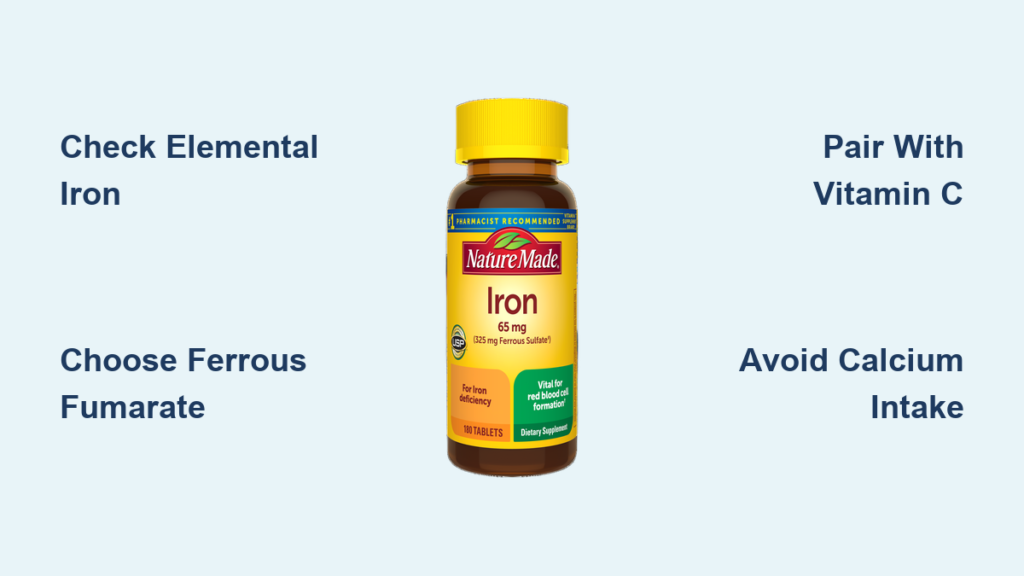
1. Oral Iron Supplementation: Take 100-200 mg elemental iron daily between meals for optimal absorption
2. Enhance Absorption: Pair iron supplements with vitamin C (orange juice or 250 mg supplement)
3. Avoid Inhibitors: Don’t consume calcium, tea, coffee, or whole grains within 2 hours of iron doses
4. Dietary Adjustments: Increase heme iron from red meat, poultry, and fish (better absorbed than plant iron)
Most patients notice skin improvement within 2-4 weeks of starting iron therapy, though complete resolution may take 3-6 months as iron stores fully replenish. During this period, manage symptoms with:
– Fragrance-free moisturizers applied immediately after bathing
– Cool compresses for intense itching episodes
– Oral antihistamines like cetirizine for daytime relief
– Diphenhydramine before bed if itching disrupts sleep
Time-Saving Shortcut: Keep a small bottle of moisturizer by your bed and apply it while watching evening TV—this habit ensures consistent application when iron-related dryness typically worsens.
Prevent Iron Deficiency Skin Problems Through Smart Habits
You can avoid the uncomfortable skin manifestations of iron deficiency by maintaining adequate iron levels through strategic dietary choices and awareness of personal risk factors. Prevention is especially important if you belong to high-risk groups like premenopausal women, vegetarians, or those with gastrointestinal disorders.
Daily Prevention Protocol:
– Consume iron-rich foods with vitamin C sources (e.g., spinach salad with orange slices)
– Wait 2 hours after iron-rich meals before consuming calcium or coffee
– Monitor for early warning signs like increased hair shedding or nail brittleness
– Consider quarterly ferritin testing if you’ve had iron deficiency before
The Recommended Dietary Allowance for iron varies significantly:
– Adult men: 8 mg daily
– Premenopausal women: 18 mg daily
– Pregnant women: 27 mg daily
Pro Tip: Keep a small container of pumpkin seeds (1 oz contains 2.5 mg iron) at your desk. Snack on them with a vitamin C-rich fruit for an absorption-boosting afternoon pick-me-up.
When to Seek Medical Help for Iron-Related Skin Issues
While mild iron deficiency can often be managed with dietary changes, certain skin symptoms warrant prompt medical evaluation to rule out serious conditions and prevent complications from chronic iron depletion.
Seek immediate medical attention if you experience:
– Petechial rash (tiny red/purple dots that don’t fade with pressure)
– Rash accompanied by dizziness, shortness of breath, or rapid heartbeat
– Skin changes that don’t improve after 4 weeks of iron supplementation
– Excessive bruising or bleeding along with skin symptoms
Warning: A petechial rash may indicate aplastic anemia rather than iron deficiency—anemia. Unlike iron deficiency rash which is intensely itchy, petechiae are typically not itchy but require urgent evaluation due to potential bone marrow issues.
Your healthcare provider can determine whether your skin symptoms stem from iron deficiency or another condition through appropriate testing. Early intervention prevents the progression of both iron deficiency and its dermatological manifestations, helping you avoid months of unnecessary discomfort.
Key Takeaways for Resolving Low Iron Skin Rashes
Research confirms a strong scientific link between low iron and skin rash, with studies showing a significant negative correlation between serum ferritin levels and pruritus severity (r = -0.768, P < 0.00001). This means as your iron stores decrease, your itching intensity increases substantially. The good news is that properly addressing your iron deficiency typically resolves associated skin symptoms within weeks to months.
Critical Action Steps:
1. Get tested for iron deficiency if you have persistent unexplained itching
2. Don’t wait for anemia to develop before addressing low iron symptoms
3. Combine iron supplementation with skin barrier repair strategies
4. Maintain iron levels through strategic dietary choices to prevent recurrence
If you’re experiencing unexplained rash or persistent itching that doesn’t respond to standard treatments, consider low iron as a potential cause. Discuss iron testing with your healthcare provider—this simple intervention could be the key to finally resolving your skin issues and restoring your comfort.