There’s nothing more frustrating than carefully arranging perfectly cut potatoes in your prized cast iron skillet, only to have them stubbornly cling to the surface when you attempt to flip them. That satisfying sizzle you expected turns into a disheartening tearing sound as your golden home fries leave half their crispy exterior behind. Potatoes sticking to cast iron is one of the most common kitchen frustrations, yet it’s almost entirely preventable with the right techniques. The good news is that once you understand why this happens and implement a few key strategies, you’ll achieve consistently crispy, unstuck potatoes that slide effortlessly from the pan.
Cast iron’s legendary heat retention creates the perfect environment for developing that irresistible caramelized crust on potatoes—when everything goes right. But when potatoes stick, it’s not just a cooking failure; it damages your pan’s seasoning and ruins your meal’s presentation. This guide cuts through the confusion to deliver proven solutions that address the root causes of potatoes sticking to cast iron. You’ll learn specific preparation methods, optimal temperature ranges, and professional techniques that transform your cast iron from a sticky nightmare into your most reliable potato-cooking tool.
Why Potatoes Stick to Cast Iron
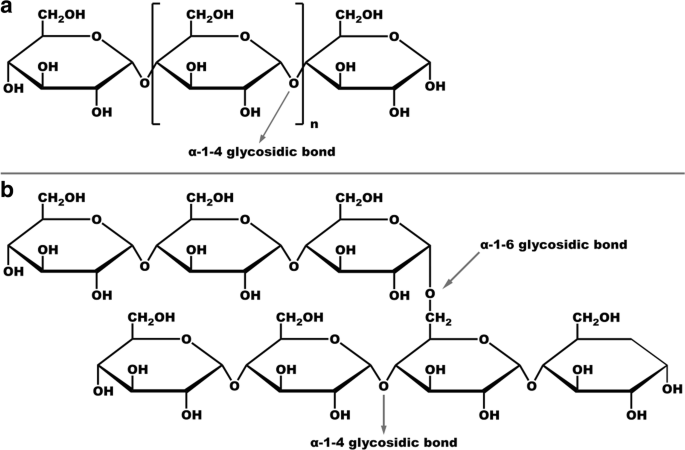
Potatoes contain approximately 80% water, and when this moisture hits a hot cast iron surface, it creates steam that initially lifts the potato slightly before the intense heat dries out the starches on the bottom. This process creates a sticky bond that locks the potato to the pan surface. The phenomenon works similarly to how water droplets dance on an extremely hot surface, except potato starches create adhesion rather than mere suspension. Understanding this moisture-to-starch transformation is crucial for preventing potatoes sticking to cast iron.
Temperature plays a critical role in this sticking process. If your pan isn’t hot enough when the potatoes go in, the moisture releases too slowly, causing the potatoes to steam in their own juices instead of searing properly. Conversely, if the pan is too hot with insufficient oil, the exterior can char while the interior remains undercooked, creating burnt starches that bond aggressively to your seasoning. The sweet spot requires adequate heat to trigger the Maillard reaction (creating that sought-after browning and flavor) while maintaining enough lubricating oil to prevent direct contact between starch and iron.
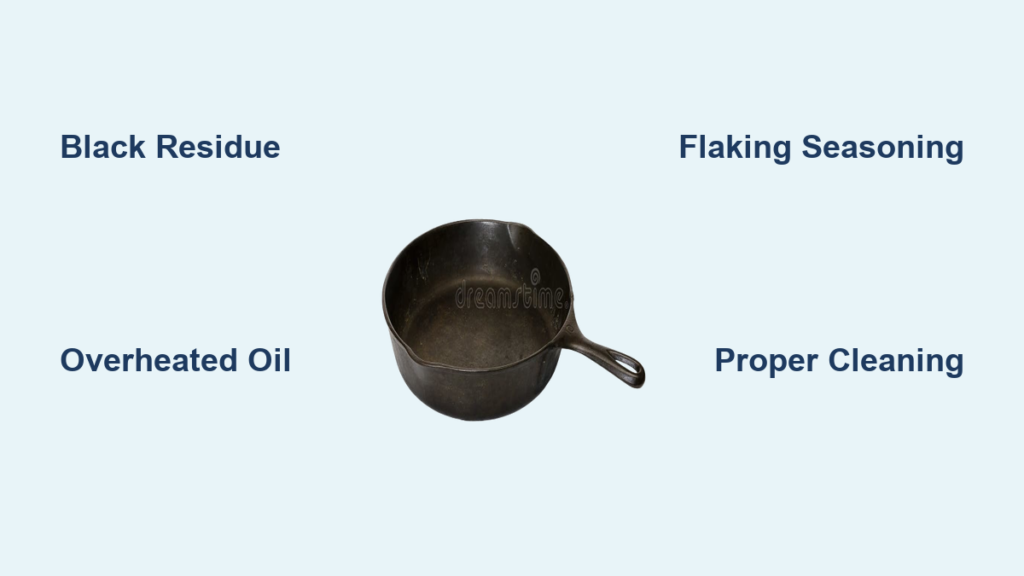
Your cast iron’s seasoning quality directly influences stickiness. A well-seasoned pan has multiple layers of polymerized oil creating a slick, semi-nonstick surface. New or poorly maintained cast iron has a rougher microscopic texture, providing numerous nooks and crannies for starch molecules to lodge into. Even seasoned pans can become sticky if they’ve been exposed to acidic foods that break down the seasoning or if cooking residue has built up unevenly on the surface.
Prepare Your Pan Properly
Ensure your cast iron pan is completely clean and dry before cooking potatoes—any leftover food particles or moisture from previous cooking sessions can cause new food to stick. Wipe the surface with a paper towel, and if anything remains, scrub gently with hot water and a stiff brush, then dry immediately and thoroughly. Never soak cast iron, as prolonged water exposure promotes rust that compromises your pan’s performance and can contribute to sticking issues.
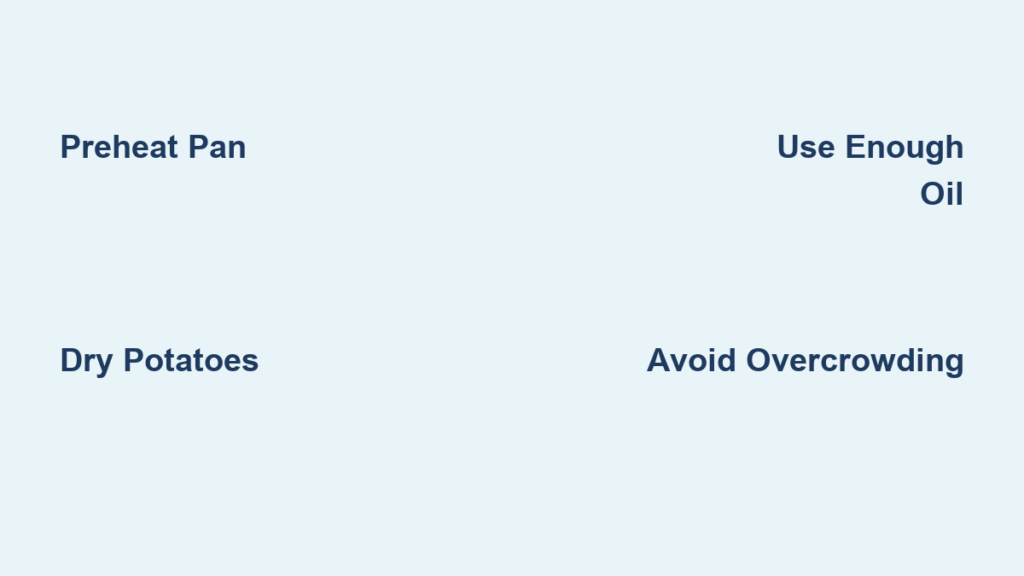
Apply a thin but visible layer of oil to the entire cooking surface, including the sides where splatter might occur. High smoke-point oils work best—avocado oil, grapeseed oil, or refined vegetable oil create the perfect barrier between your potatoes and the iron. Place the pan over medium heat and allow it to preheat for at least five minutes. You’ll know it’s ready when the oil shimmers and flows easily across the surface, or when a drop of water flicked onto the surface evaporates with an immediate sizzle.
Resist the urge to add potatoes the moment you think the pan is hot. Cast iron takes longer to heat through than other cookware but retains heat remarkably well once hot. Professional chefs often let cast iron preheat for a full ten minutes to ensure even heat distribution throughout the metal. This extended preheating ensures the entire cooking surface reaches the optimal temperature simultaneously, giving your potatoes an immediate sear rather than a slow stick.
Select and Prep Your Potatoes
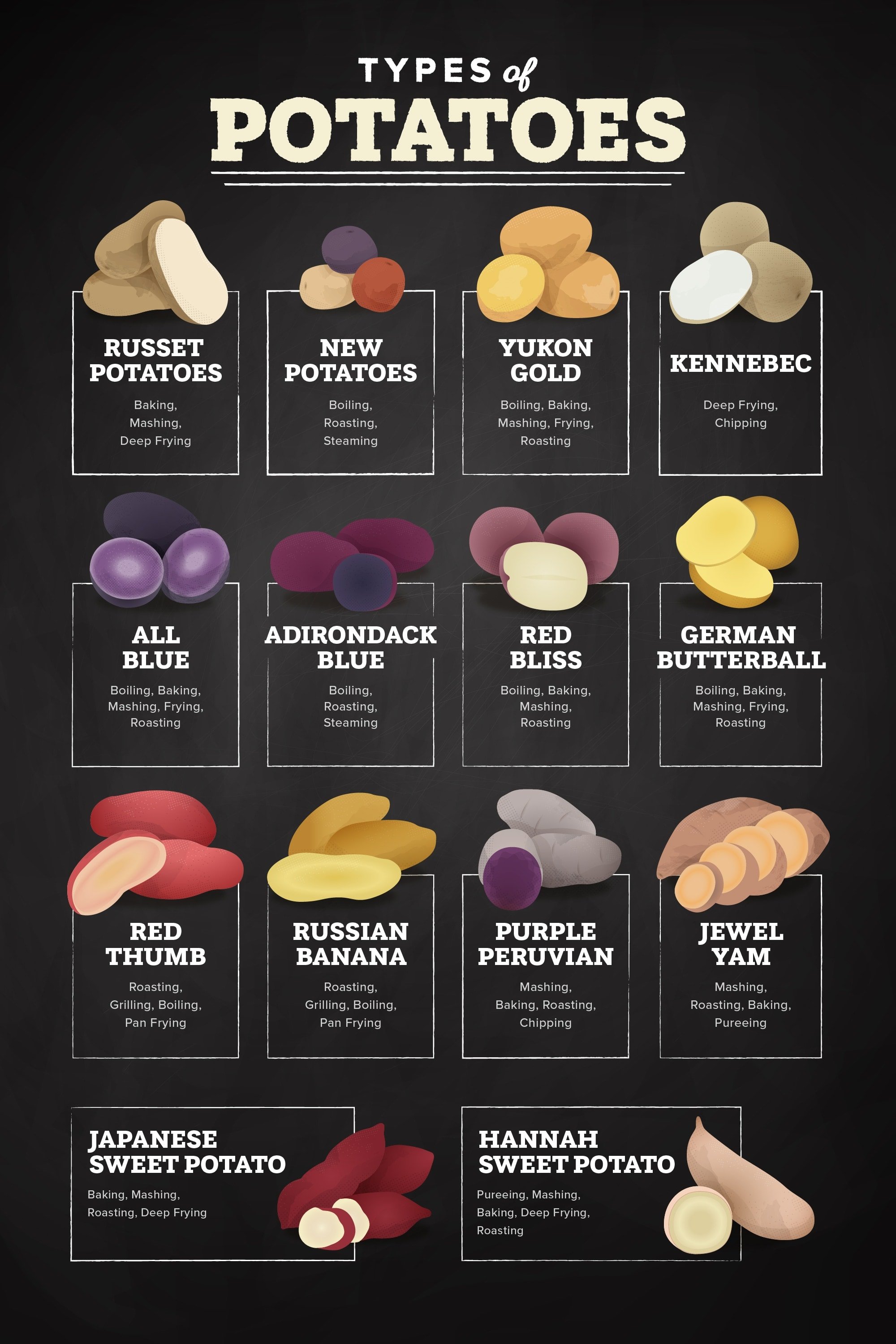
Choose starchy varieties like Yukon Golds or Russets for the crispiest results—they develop exceptional browning when cooked properly in cast iron. Waxy potatoes like red potatoes hold their shape better but don’t achieve quite the same level of crispiness. For the best balance, many experienced cooks prefer Yukon Golds, which offer sufficient starch for excellent browning without excessive crumbling during cooking.
Dry your potatoes thoroughly after washing and before cutting. Surface moisture is the enemy of successful cast iron potato cooking—water in the pan creates steam that causes sticking. Pat cut potatoes with clean kitchen towels until no moisture beads remain on the surface. For even crispier results, spread cut potatoes on a baking sheet and refrigerate them uncovered for several hours or overnight. This step allows the surface to dry out further, concentrating the starches that will brown beautifully in the pan.
Consider parboiling your potatoes before the final cast iron sear. This professional technique partially cooks the interior while setting the surface. After parboiling, let the potatoes cool and dry completely, then proceed with your normal cast iron cooking process. The parboiled potatoes will brown more evenly and develop a creamier interior while achieving exceptional crispiness on the outside.
Master Oil and Temperature
Use enough oil to create a visible layer coating the bottom of the pan—approximately one to two tablespoons for a standard 10-inch skillet. The oil should shimmer and flow easily when the pan is properly heated. Too little oil leaves vulnerable spots where sticking occurs; too much oil results in greasy potatoes and potential splatter hazards.
Test oil temperature by flicking a tiny drop of water into the pan. If it sizzles and evaporates immediately, the pan is ready. Alternatively, carefully place one potato slice in the pan—if it sizzles aggressively and begins browning within thirty seconds, you’ve achieved the ideal temperature. If the slice sits silently or only lightly sizzles, the pan needs more time to heat. If it smokes immediately or turns black within seconds, it’s too hot.
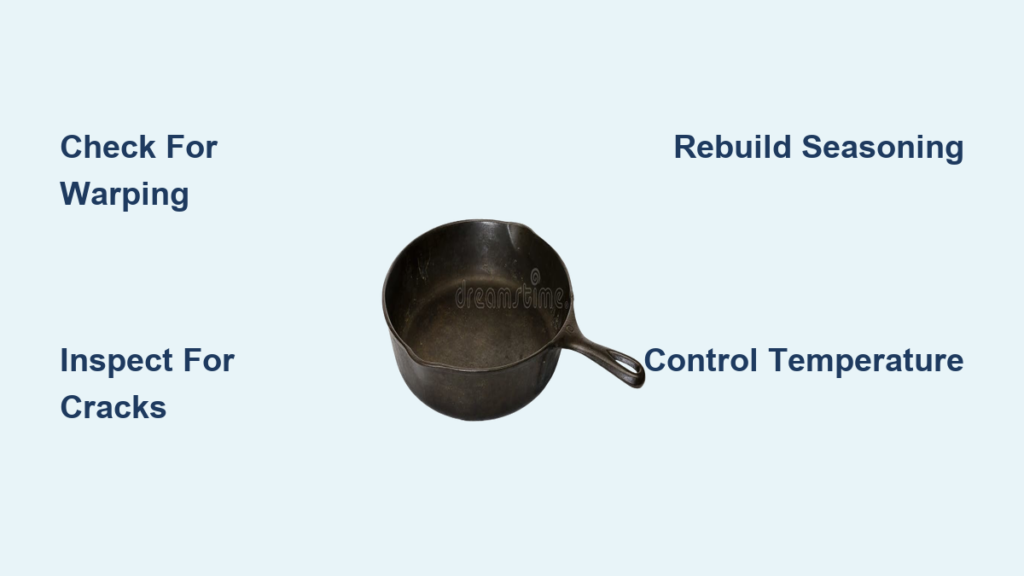
Maintain medium to medium-high heat throughout cooking. Cast iron retains heat exceptionally well, so you may need to reduce your burner setting after the initial sear to prevent burning while the interior cooks through. The goal is sustained, even heat that browns without scorching. If you notice smoke rising from the pan, reduce heat immediately—smoking oil has passed its smoke point and will impart bitter flavors while degrading your pan’s seasoning.
Cooking Technique for Non-Stick Results
Place potatoes in the pan in a single layer without overcrowding. Crowding is one of the most common causes of potatoes sticking to cast iron—when too many potatoes occupy the same space, steam becomes trapped between them, creating a humid environment that prevents proper browning. Leave small gaps between each piece, and cook in batches if necessary.
Resist the urge to move or flip potatoes too frequently. Let them cook undisturbed for at least three to four minutes before checking for doneness on the bottom. When you do flip, use a thin metal spatula that can slide beneath the potatoes without breaking them. If you encounter resistance, the potatoes aren’t ready to flip yet—give them another minute. Aggressive scraping of stuck potatoes damages both the food and your pan’s seasoning.
For chunkier potato cuts like wedges or cubes, try the shake-and-flip technique used by professional chefs. After the initial sear on one side, gently shake the pan (using oven mitts to protect your hand). This jostles the potatoes and helps them release naturally if they’re properly cooked. If they release easily, flip them all at once. If not, let them cook another minute before attempting again.
Rescue Techniques for Stuck Potatoes
When potatoes refuse to release, don’t panic and don’t scrape aggressively. Instead, add a splash of water or broth to the pan—just enough to create steam beneath the stuck pieces. Cover the pan briefly; the steam will loosen the stuck portions, allowing you to flip or remove them intact. This technique works because the moisture rehydrates the starches just enough to release their grip without making the potatoes soggy.
For minor sticking, gently work loose the affected pieces with a spatula without damaging the pan surface. Apply steady, gentle pressure rather than aggressive scraping. Sometimes adding a bit more oil and reducing heat helps loosen particularly stubborn spots. The key is patience—rushing causes more damage to both your potatoes and your pan’s seasoning.
If stuck bits remain after removing the free potatoes, add a small amount of water and let the pan cool slightly, then soak briefly and use a soft brush to remove residue. For stubborn burned-on bits, sprinkle coarse kosher salt over the surface and rub with a half-cut onion—the mild acidity and abrasion help lift stuck-on material without damaging seasoning.
Maintain Cast Iron Seasoning
Clean your cast iron while it’s still warm using hot water and a stiff brush. Avoid soap if possible, though small amounts won’t harm modern well-seasoned pans. Dry immediately and completely to prevent rust, then apply a thin layer of oil while the pan retains some warmth. Consistent light applications after each use prevent the need for heavy restoration efforts that can lead to potatoes sticking to cast iron.
Store your cast iron in a dry location with adequate air circulation to prevent moisture buildup. Placing a paper towel inside the pan absorbs any residual moisture and protects the cooking surface. Avoid stacking cast iron directly on other cookware without protection, as rough contact can scratch seasoning. With proper care, your cast iron develops a rich, dark patina that improves with every use and makes cooking potatoes progressively easier over time.
Final Tips for Potato Success
Slice potatoes consistently for even cooking—pieces of similar size brown at the same rate, preventing some from burning while others remain undercooked. A mandoline slicer produces uniform cuts quickly, though a sharp knife works well once you develop consistency. Thinner cuts crisp faster but require more careful attention; thicker cuts take longer but are more forgiving of temperature variations.
Season potatoes generously with salt before cooking—not just for flavor, but because salt draws moisture to the surface through osmosis, which then evaporates during cooking and accelerates browning. Practice makes perfect with cast iron cooking. Your first few attempts may not yield perfect results, but each session teaches you how your specific pan behaves, how your stove transfers heat, and how different potato varieties perform. Before long, you’ll produce restaurant-quality cast iron potatoes consistently, with no sticking and all the crispy, golden perfection you expect.