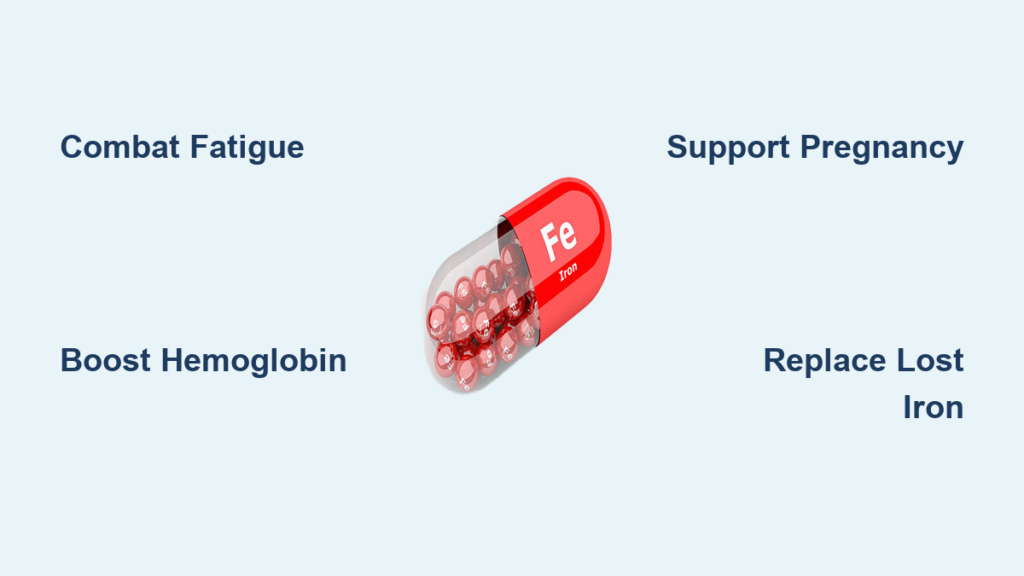
Feeling constantly drained despite getting enough sleep? Struggling to concentrate at work or school? You might be experiencing the silent epidemic of iron deficiency—an often overlooked condition affecting millions worldwide. Understanding the key reasons to take iron supplements could be your first step toward reclaiming your energy and vitality. This guide reveals the medically proven scenarios where iron supplementation becomes essential, how to recognize when you need it, and the science-backed strategies for maximum effectiveness.
Iron isn’t just another mineral—it’s the linchpin of your body’s oxygen transport system. When your iron levels dip below optimal ranges, every cell in your body suffers from oxygen starvation, triggering a cascade of physical and cognitive symptoms. Whether you’re a menstruating woman, pregnant individual, athlete, or managing chronic health conditions, knowing the specific reasons to take iron supplements empowers you to address deficiency before it escalates into serious health complications.
Why Persistent Fatigue Could Signal You Need Iron Supplements
That relentless exhaustion that doesn’t improve with rest isn’t just “normal busy life”—it’s often your body screaming for more iron. Unlike ordinary tiredness that resolves with sleep, iron deficiency fatigue persists because your blood can’t deliver sufficient oxygen to your muscles and brain. Many people describe it as moving through thick syrup, where even simple tasks like grocery shopping or climbing stairs leave you winded and drained.
Recognizing Iron Deficiency Fatigue vs. Ordinary Tiredness
Iron-related fatigue develops gradually as your hemoglobin levels drop, making it easy to dismiss as “just stress” or “getting older.” Key differentiators include:
– Progressive worsening that continues over weeks or months
– Lack of improvement despite adequate sleep and rest
– Accompanying symptoms like shortness of breath during mild activity
– Physical weakness disproportionate to your activity level
The moment you notice these patterns, consider getting your iron levels checked—this specific type of exhaustion rarely resolves without addressing the underlying deficiency through dietary changes or supplementation.
How Low Iron Levels Drain Your Energy Reserves
Your mitochondria—the power plants inside every cell—require iron to convert nutrients into usable energy (ATP). When iron stores run low, this energy production plummets, creating a double whammy: insufficient oxygen delivery plus impaired cellular energy conversion. This explains why iron deficiency fatigue feels fundamentally different from ordinary tiredness—it’s not just mental exhaustion but a systemic energy crisis affecting every bodily function.
How Iron Deficiency Sabotages Your Oxygen Transport System

Without adequate iron, your body literally can’t manufacture enough hemoglobin—the oxygen-carrying protein in red blood cells. This creates a domino effect where every organ and tissue receives less oxygen than it needs to function properly. The heart compensates by working harder, leading to that characteristic shortness of breath during activities that previously caused no difficulty.
The Critical Hemoglobin-Iron Connection Explained
Each hemoglobin molecule contains four iron atoms that bind oxygen molecules like molecular magnets. When you’re low on iron, your bone marrow produces fewer red blood cells, and the ones it does make contain less hemoglobin. This directly reduces your blood’s oxygen-carrying capacity—imagine trying to fill a swimming pool with a teaspoon instead of a bucket. The result? Your entire body operates in oxygen deficit, explaining why iron deficiency affects everything from cognitive function to immune response.
Why Your Body Can’t Make Red Blood Cells Without Enough Iron
Red blood cell production (erythropoiesis) requires massive amounts of iron—about 20-25 mg daily just to replace the 1% of red blood cells your spleen removes each day. When iron stores deplete, this production line slows dramatically. Your kidneys may signal increased erythropoietin (the hormone that stimulates red blood cell production), but without iron, these signals go unanswered. This is why iron supplements become essential—they provide the raw materials your bone marrow desperately needs to restart healthy blood cell production.
When Diet Alone Isn’t Enough: Medical Reasons for Iron Supplements
While iron-rich foods are crucial for prevention, certain medical scenarios create iron demands that diet alone cannot meet. This is where understanding the specific reasons to take iron supplements becomes medically necessary rather than merely beneficial.
Treating Iron Deficiency Anemia in Just 3-6 Months
Blood tests confirming low ferritin (iron stores) or hemoglobin trigger immediate supplementation needs. Most healthcare providers prescribe iron supplements for 3-6 months because:
– Symptom relief typically begins within 2-3 weeks
– Hemoglobin normalization takes 4-8 weeks
– Complete iron store restoration requires 3-6 months
Many patients make the critical error of stopping supplements once they feel better, only to relapse weeks later. Completing the full course ensures your body rebuilds adequate reserves to prevent recurrence.
Managing Chronic Blood Loss from Heavy Periods or GI Issues
Heavy menstrual bleeding (soaking through pads/tampons hourly) causes significant monthly iron loss that dietary intake can’t replace. Similarly, gastrointestinal conditions like ulcers, IBD, or colon polyps create chronic blood loss that silently depletes iron stores. In both scenarios, iron supplements become non-negotiable for maintaining healthy levels—waiting until symptoms appear often means you’re already severely deficient.
Iron Supplements During Pregnancy: Protecting Two Lives
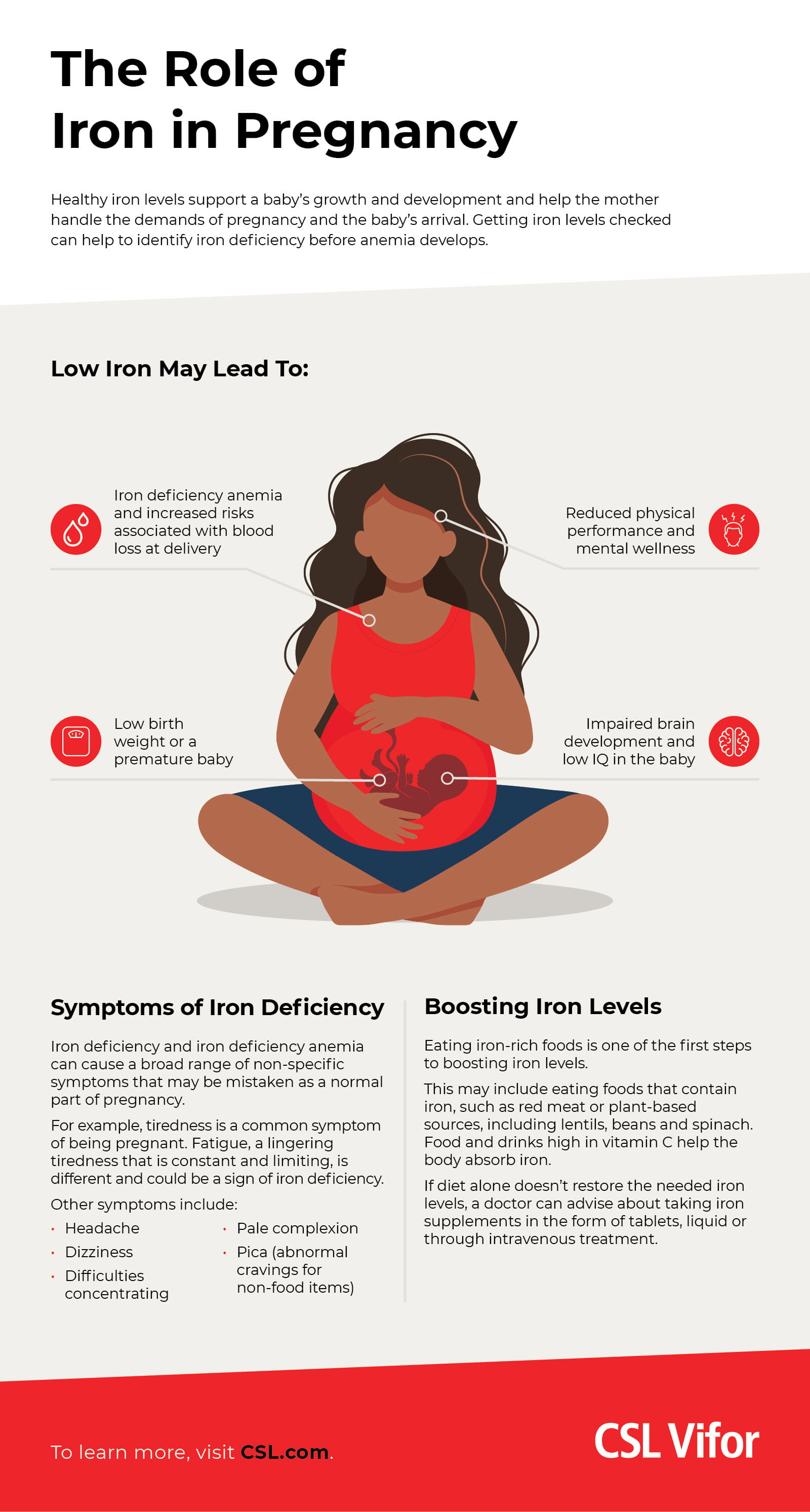
Pregnancy increases iron requirements by 50% to support expanded blood volume, placental development, and fetal growth. Most prenatal vitamins contain iron specifically because dietary intake alone rarely meets these elevated demands.
Why Your Iron Needs Double During Pregnancy
Your blood volume expands by 50% during pregnancy, but red blood cell mass only increases by 25-30%, creating a state of “physiological anemia” that requires extra iron. Without supplementation, many pregnant individuals develop true iron deficiency anemia by the second trimester, increasing risks of:
– Preterm delivery
– Low birth weight
– Maternal exhaustion that complicates recovery
The American College of Obstetricians and Gynecologists recommends 27 mg of iron daily throughout pregnancy—nearly double the non-pregnant requirement.
Choosing the Right Iron Supplement for Your Body
Not all iron supplements work equally well for everyone. Understanding formulation differences helps you and your healthcare provider select the most effective option for your specific needs and tolerance.
Ferrous Sulfate vs. Ferrous Gluconate: Which Works Best?

Ferrous sulfate (65 mg elemental iron per 325 mg tablet) delivers maximum iron but often causes stomach upset. Ferrous gluconate (about 35 mg elemental iron per 300 mg tablet) provides less iron per dose but with significantly better gastrointestinal tolerance. If constipation or nausea plagues you with standard supplements, switching formulations often solves the problem without compromising therapeutic benefit.
Immediate Release vs. Extended Release: Finding Your Perfect Match
Immediate-release supplements offer better absorption but more side effects. Extended-release formulas like Slow Fe minimize stomach irritation by gradually releasing iron along the digestive tract. Try this strategy: Take immediate-release with vitamin C on empty stomach if tolerated; switch to extended-release if gastrointestinal issues occur. Never crush or chew extended-release tablets—that defeats their purpose.
Maximizing Iron Absorption: Timing and Food Combos That Work
Taking iron supplements correctly can double your absorption rate, making treatment faster and more effective. The right timing and food combinations transform your supplementation from marginally helpful to powerfully therapeutic.
The Vitamin C-Iron Synergy You’re Missing
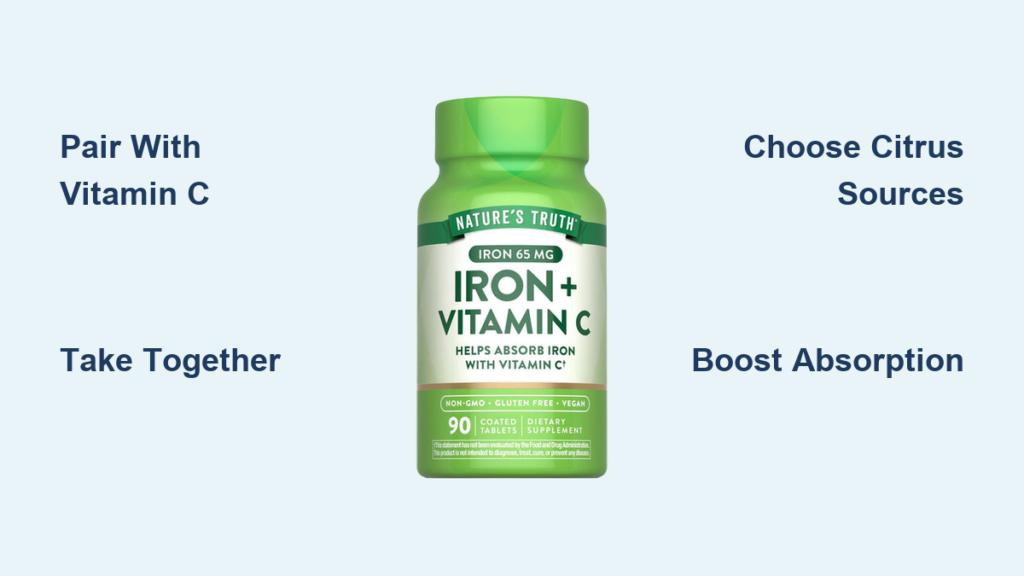
Taking your iron supplement with 8 ounces of orange juice or ½ cup of strawberries can increase absorption by up to 300%. Vitamin C converts iron into a more absorbable form and counteracts inhibitors in your digestive tract. Pro tip: If you take iron in the morning, pair it with a vitamin C-rich breakfast like orange slices or bell pepper strips in your eggs.
Foods and Medications That Block Iron Absorption
Avoid these within 2 hours of iron supplements:
– Dairy products (calcium binds iron)
– Antacids (reduce stomach acid needed for absorption)
– Coffee or tea (polyphenols inhibit uptake)
– High-fiber foods (can bind iron in the gut)
If you must take these items, separate them by at least two hours before or after your iron dose. This simple timing adjustment prevents common absorption pitfalls that sabotage supplementation efforts.
Why Completing Your Full Iron Supplement Course Matters
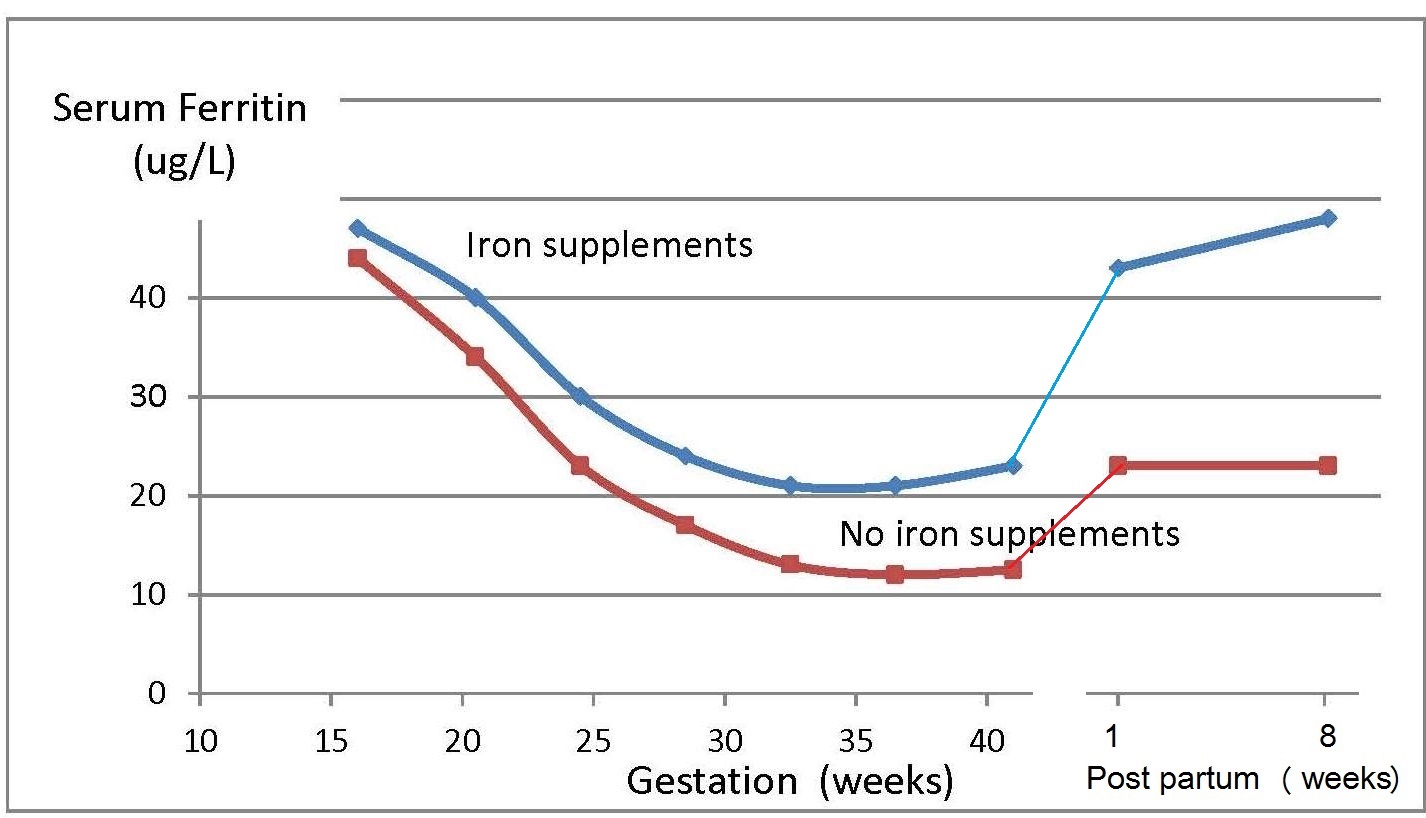
Stopping iron supplements too soon is the single biggest reason for treatment failure. Understanding the recovery timeline prevents this preventable relapse.
The Dangerous Mistake of Stopping Supplements Too Early
Many patients discontinue supplements once energy returns (around week 3-4), unaware that blood tests normalize before iron stores fully replenish. This premature cessation leaves you vulnerable to rapid relapse, especially if the underlying cause (like heavy periods) persists. Complete the full 3-6 month course even after symptoms resolve—your ferritin levels need this time to rebuild adequate reserves.
How Blood Tests Track Your Iron Recovery Progress
Your healthcare provider will monitor:
– Hemoglobin (improves first, within 2-4 weeks)
– Reticulocyte count (young red blood cells, increases within days)
– Ferritin (true iron stores, lags behind other markers)
These tests confirm whether your supplementation strategy works and when it’s safe to discontinue. Never skip follow-up blood work—that’s how deficiencies slip through the cracks.
Iron supplements address fundamental physiological needs that diet alone often cannot meet, particularly when deficiency already exists. Whether you’re combating fatigue, supporting pregnancy, recovering from blood loss, or managing chronic conditions, understanding the precise reasons to take iron supplements transforms supplementation from a guessing game into targeted, effective treatment. Work with your healthcare provider to determine your specific needs, select the optimal formulation, and follow evidence-based timing strategies to maximize results. With proper implementation, iron supplementation can restore your energy, cognitive clarity, and overall vitality within weeks—proving that sometimes, the simplest mineral makes the most profound difference.