That iron supplement bottle on your counter could turn deadly within hours. When you take too much iron supplement—whether accidentally swallowing extra pills or intentionally overdosing—the consequences escalate from stomach cramps to multi-organ failure in less than a day. Iron toxicity ranks among the most dangerous medication overdoses, with a terrifyingly narrow gap between a safe dose and a lethal one. This isn’t just about feeling queasy; documented cases show healthy adults collapsing 24 hours after ingestion despite normal blood tests, progressing to irreversible liver damage and death within 36 hours. If you’ve ever doubled your dose “just in case” or left supplements within a child’s reach, understanding these silent killers could save a life.
Iron overload triggers a two-pronged attack on your body. First, unbound iron acts like battery acid burning through your stomach and intestinal lining, causing violent vomiting and bloody diarrhea. Simultaneously, iron floods your bloodstream, infiltrating cells and destroying mitochondria—the power plants of your cells. This dual assault explains why victims often feel briefly better before catastrophic organ failure strikes. Children under five face the highest accidental risk (those tablets look like candy), while adults typically overdose intentionally during mental health crises. Either way, every minute counts when iron’s burning its way through your system.
Why Iron Turns From Essential to Lethal
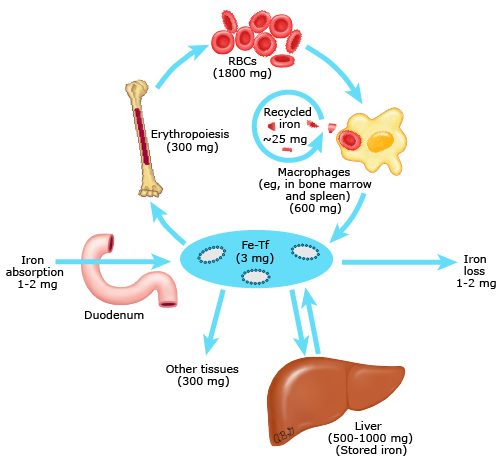
Your body needs iron to carry oxygen in red blood cells, but it has zero mechanism to excrete excess amounts. Unlike water-soluble vitamins that flush out harmlessly, iron accumulates relentlessly when you take too much iron supplement. The danger zone starts shockingly low: ingesting more than 60 mg of elemental iron per kilogram of body weight triggers severe toxicity. For perspective, one standard ferrous sulfate tablet contains 65 mg of elemental iron—meaning a single handful could kill a small child. Adults hit the lethal threshold at 200-250 mg/kg, but documented fatalities occurred at 270 mg/kg (13.5 grams total) and 400 mg/kg (20 grams total).
The Deceptive Serum Iron Test Trap
Don’t trust normal blood test results if symptoms appear hours after overdose. Iron rapidly shifts from blood into tissues within 6-12 hours, making serum iron levels falsely reassuring while internal damage spreads. In one fatal case, a 25-year-old woman had a “normal” serum iron level of 73 μg/dl (within 40-145 range) 24 hours post-ingestion—yet her liver enzymes were exploding: SGOT hit 11,000 U/L (normal is <40) and SGPT reached 11,420 U/L. By the time labs flagged the crisis, her liver was failing, and she died within 36 hours despite aggressive treatment. If you suspect an overdose, demand immediate intervention regardless of blood test results.
Recognizing the Four Stages Before It’s Too Late
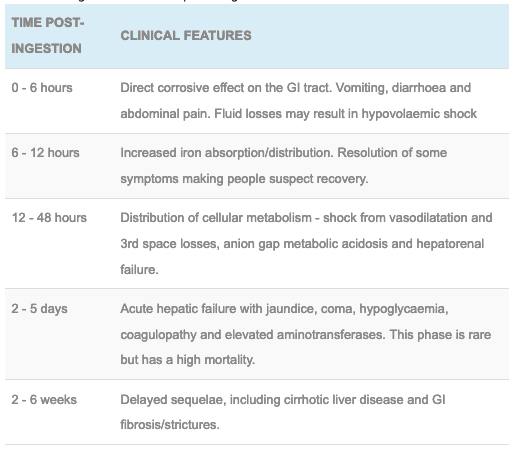
Iron poisoning follows a predictable but treacherous path. Recognizing these stages helps you act before irreversible damage occurs.
Stage I: Violent GI Attack (0-6 Hours)
Your stomach lining burns within hours, causing:
– Vomiting blood (looks like coffee grounds)
– Severe abdominal cramps preventing standing or walking
– Bloody diarrhea signaling intestinal damage
Act now: These symptoms mimic food poisoning but demand ER care. Do not wait—they’re your only warning before the deceptive “calm.”
Stage II: False Recovery (6-12 Hours)
Vomiting stops. Pain eases. You might feel well enough to skip medical care. This is the deadliest phase. While you feel better, iron is silently penetrating cells, poisoning mitochondria, and setting the stage for organ collapse. Victims in fatal cases were often sent home during this window—only to return in shock 12 hours later.
Stage III: Multi-Organ Meltdown (12-48 Hours)
This is where iron overdose becomes often fatal. Critical signs include:
– Liver failure: Jaundice (yellow skin), bleeding gums, bruising easily
– Metabolic acidosis: Labored breathing, extreme confusion
– Cardiovascular shock: Cold/clammy skin, weak pulse, dropping blood pressure
In the 17-year-old fatal case, liver enzymes (SGOT 4,250 U/L) signaled massive cell death while her INR soared above 10—meaning her blood couldn’t clot. She died within hours of hospital arrival despite blood transfusions and dialysis.
Emergency Treatment That Actually Works
Time is your only ally. Treatment must begin within 6 hours to prevent Stage III collapse.
Immediate Actions While Waiting for Help
- Do NOT induce vomiting—iron’s corrosiveness can re-injure your throat
- Call Poison Control (1-800-222-1222) or 911 immediately—even if symptoms seem mild
- Bring the pill bottle—doctors need to calculate elemental iron dose
Hospital Interventions That Save Lives
- Whole bowel irrigation: Flushes undigested tablets using polyethylene glycol (only effective within 4 hours)
- Desferrioxamine chelation: IV drug that binds iron for kidney excretion—look for “vin rose” urine (pinkish-red color) confirming it’s working
- Aggressive organ support: Blood transfusions for coagulopathy, dialysis for acidosis, vasopressors for shock
Critical reality: Once liver failure sets in (Stage III), survival drops sharply even with perfect care. The 25-year-old victim received desferrioxamine within hours yet still died when her liver enzymes spiked past 11,000 U/L.
Iron Overdose Prevention: What Most People Miss
For Parents: Childproof Like It’s Poison (Because It Is)
- Store supplements in locked cabinets—not just “high shelves” (toddlers climb)
- Choose iron-free prenatal vitamins if kids are around—many brands now offer them
- Never call pills “candy”—even jokingly—to avoid normalizing ingestion
For Adults: The Self-Medication Trap
- Never self-treat fatigue with iron—anemia requires medical diagnosis (could be cancer or bleeding)
- Set phone reminders to avoid double-dosing—confusion causes accidental overdoses
- Use blister packs for daily doses—prevents grabbing handfuls impulsively
When to Call 911 Immediately
Suspect iron overdose if someone has:
– Vomited blood after accessing supplements
– Severe stomach pain + drowsiness within 6 hours of ingestion
– “Recovered” then worsened 12+ hours later (Stage II to III transition)
Do not wait for symptoms to progress. The fatal cases arrived >24 hours post-ingestion—already too late for effective decontamination. Even if serum iron tests look normal, demand treatment based on ingestion history. Every hour delayed increases mortality risk by 15%.
Critical Takeaways: Your Action Plan

Taking too much iron supplement can kill within 48 hours—but you hold the power to prevent tragedy. Remember these life-saving facts:
– 60 mg/kg is the toxicity threshold—calculate your risk using this iron dose calculator
– Stage II “recovery” is a lie—seek help immediately after initial vomiting/pain
– Normal blood tests don’t rule out poisoning—insist on treatment if ingestion occurred >6 hours ago
– Child-proof storage isn’t optional—use locked containers, not just child-resistant caps
If you or someone else ingests excess iron, call 911 now. Describe the supplement type and number of pills taken. While waiting for help, have the bottle ready—doctors need to know if it’s ferrous sulfate (65 mg elemental iron/tablet) or another formulation. Prevention is simple: treat iron supplements like prescription opioids—store securely, take only as directed, and never self-medicate. Your liver (and life) depend on it.