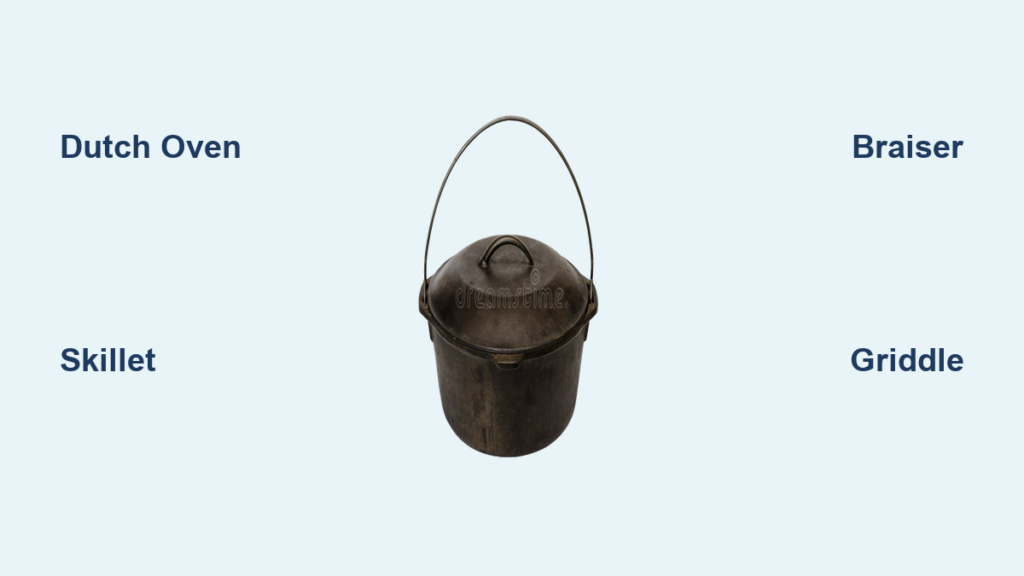
Nothing transforms home cooking quite like the right cast iron pot—these durable workhorses deliver exceptional heat retention, develop natural non-stick surfaces over time, and can last generations with proper care. Whether you’re searing a steak to perfection, baking crusty artisan bread, or simmering a rich beef bourguignon, understanding the different types of cast iron pots available ensures you select the perfect tool for each culinary task. This guide breaks down exactly which cast iron pot types excel at specific cooking techniques so you can build a collection that maximizes your kitchen’s potential without unnecessary duplicates.
Why Your Dutch Oven Choice Makes or Breaks Braised Dishes
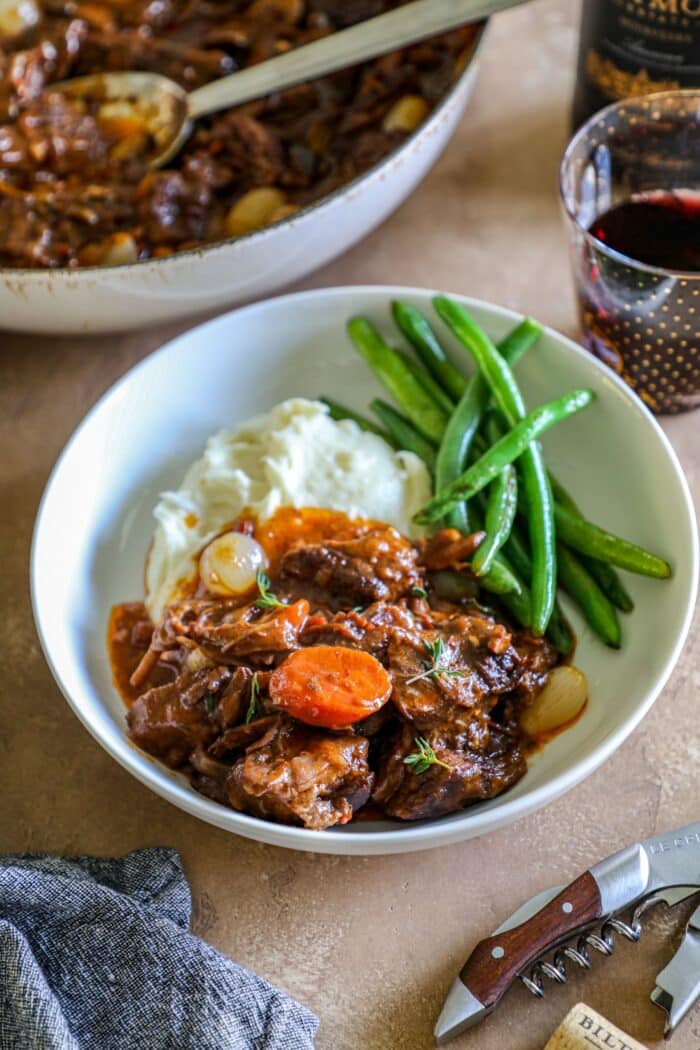
The Dutch oven stands as the undisputed champion among types of cast iron pots for slow-cooked meals that require consistent, even heat distribution. These heavy-duty pots feature thick walls, tight-fitting lids, and dual side handles that facilitate seamless transitions from stovetop to oven—critical for recipes like coq au vin or pot roast that begin with searing and finish with gentle braising.
Raw cast iron Dutch ovens require regular seasoning maintenance but develop superior non-stick properties over time, making them ideal for recipes where fond development is crucial. Enameled versions eliminate seasoning concerns and work beautifully with acidic ingredients like tomatoes or wine-based sauces, though they come with higher price tags and require careful handling to prevent chipping. For most home kitchens, a 5-7 quart Dutch oven provides the optimal balance of versatility and manageability, large enough for family meals yet compact enough for storage.
How to Determine Which Dutch Oven Type Fits Your Cooking Style
Ask yourself: Do you frequently cook acidic dishes like tomato-based stews or citrus-marinated meats? If yes, enameled cast iron becomes your best friend since the porcelain coating prevents metallic flavor transfer. Are you a weekend batch-cooker preparing large quantities of beans or soups for freezing? A raw cast iron Dutch oven will develop better non-stick properties through regular use and costs significantly less.
Pro Tip: Avoid subjecting enameled Dutch ovens to extreme temperature changes—never plunge a hot pot into cold water as this can cause the enamel to crack. For raw cast iron, always dry thoroughly after washing and apply a thin oil layer while warm to prevent rust.
Skillets That Transform Everyday Cooking
:max_bytes(150000):strip_icc()/perfect-pan-seared-steaks-recipe-step-beauty-c7a9ca69ad9e4d4cb783f845fd429251.JPG)
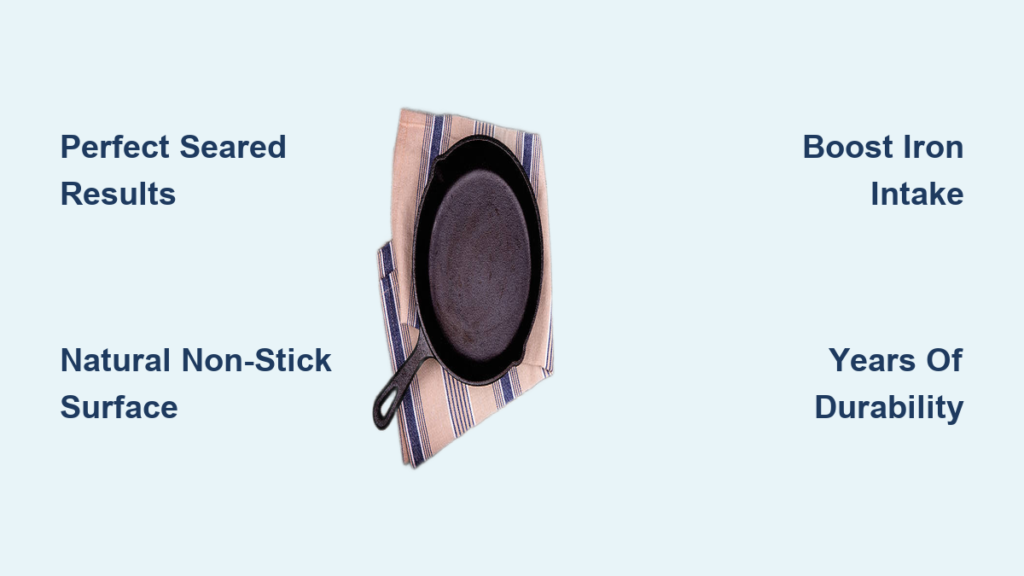
Cast iron skillets represent the most versatile types of cast iron pots for daily cooking tasks, with their wide, shallow design creating the perfect platform for high-heat searing and browning. Unlike deeper pots, skillets maximize food-to-pan contact, triggering the Maillard reaction that develops complex flavors in everything from morning eggs to restaurant-quality steaks.
The market offers skillets ranging from petite 6-inch models for single servings to massive 15-inch versions for family cooking. A well-seasoned 10-12 inch skillet serves as the cornerstone of most cast iron collections, handling tasks from frying bacon to baking cornbread. Notice how the sloped sides allow easy flipping and sliding of ingredients—a design feature specifically engineered for frequent food manipulation during cooking.
Why Size Matters for Skillet Performance
Smaller 6-8 inch skillets excel at cooking individual portions without excessive empty space that causes uneven heating. Medium 10-inch versions work best for most home cooks, accommodating 2-4 chicken breasts or a generous frittata. Large 12-inch skillets shine when cooking family-sized batches of hash browns or stir-fries but require significant upper body strength to maneuver when full.
Critical Warning: Never submerge a hot cast iron skillet in cold water—thermal shock can cause cracking. Allow it to cool slightly before cleaning to preserve its structural integrity.
Specialty Pots for Specific Culinary Challenges
Beyond Dutch ovens and skillets, specialized cast iron pots solve particular cooking problems with surgical precision. Braiser pots, featuring wide cooking surfaces with moderately high sides and tight-fitting lids, bridge the gap between skillets and Dutch ovens—perfect for recipes requiring initial high-heat searing followed by gentle braising in liquid.
Griddle pans provide expansive flat surfaces ideal for cooking multiple breakfast items simultaneously, while grill pots with raised ridges create authentic sear marks and allow fat drainage for healthier cooking. These specialized types of cast iron pots often become the secret weapons of home chefs who regularly prepare specific dishes.
When to Choose a Braiser Over a Dutch Oven
Opt for a braiser when cooking smaller quantities (2-4 servings) of proteins like chicken thighs or pork chops that benefit from both surface browning and gentle finishing in sauce. The braiser’s wide surface promotes better evaporation during reduction phases, concentrating flavors more effectively than deeper Dutch ovens. Dutch ovens remain superior for large-batch soups, stews, or bread baking where maximum liquid retention is essential.
Raw vs. Pre-Seasoned: Which Type Suits Your Lifestyle?
Your maintenance commitment should guide your decision between raw and pre-seasoned types of cast iron pots. Raw cast iron arrives uncoated, requiring initial seasoning before first use but offering complete control over building your preferred non-stick surface. Pre-seasoned pots come with factory-applied polymerized oil that provides immediate cooking functionality with less initial effort.
Serious cast iron enthusiasts often prefer raw cast iron for its potential to develop superior seasoning through careful maintenance. Casual cooks typically appreciate pre-seasoned options that eliminate the learning curve while still allowing seasoning improvement through regular use. Both types require similar ongoing maintenance—avoid soap, dry thoroughly, and apply oil after cleaning.
Time-Saving Seasoning Shortcut for New Pots
For pre-seasoned pots needing a performance boost: Heat the dry pot in a 350°F oven for 10 minutes, remove, apply a thin layer of flaxseed or grapeseed oil with a paper towel, then return to oven for 1 hour. This quick treatment significantly enhances non-stick properties without extensive effort.
Size Selection Strategies That Prevent Kitchen Clutter
Smart cast iron collection building starts with strategic size selection based on your household size and cooking habits. A single 5-7 quart Dutch oven and 10-12 inch skillet cover 90% of cooking needs for most families. Adding a small 6-8 inch skillet for individual portions and a specialized piece like a grill pan or braiser completes a versatile, non-redundant collection.
Consider storage limitations—cast iron pots are heavy and space-consuming. Those with small kitchens should prioritize multi-purpose pieces over specialized tools. For frequent entertainers, a large 10-12 quart Dutch oven becomes essential, while singles or couples often find 3-4 quart models more practical.
Pro Tip: Always factor in the weight of a filled pot—water weighs 8 pounds per gallon, so a full 7-quart Dutch oven can exceed 15 pounds. If you have wrist or shoulder issues, opt for smaller sizes or enameled versions which often have more ergonomic handles.
Maintenance Habits That Extend Pot Lifespan Indefinitely
Proper care transforms types of cast iron pots from high-maintenance liabilities into self-improving kitchen assets. After cooking, allow pots to cool slightly before cleaning with hot water and a stiff brush—never cold water on hot iron. For stubborn residues, simmer water in the pot for 5 minutes to loosen food particles before scrubbing.
Always dry cast iron completely over low heat on the stovetop, then apply a thin oil layer while still warm. Store pots with paper towels between them to absorb moisture and prevent scratching. Regularly inspect for rust spots—small areas can be scrubbed with steel wool and re-seasoned, while extensive rust may require more intensive restoration.
Critical Warning: Never put cast iron in the dishwasher—detergents strip seasoning and prolonged water exposure causes rust. Hand washing with minimal water preserves your investment.
Value Assessment: When Premium Cast Iron Justifies the Cost
Cast iron pots range from $25 mass-produced skillets to $500+ artisan pieces. Budget options from Lodge or Tramontina deliver excellent performance for most home cooks at accessible prices. Premium brands like Staub or Le Creuset offer superior enamel quality, tighter lid fits, and often smoother cooking surfaces that justify higher costs for serious enthusiasts.
For everyday cooking, mid-range cast iron provides the best value—reliable performance without breaking the bank. Reserve premium enameled pieces for special occasion cooking where presentation matters, as their vibrant colors double as serving dishes. Raw cast iron rarely requires premium pricing since seasoning quality depends more on user maintenance than initial manufacturing.
Building a Purpose-Driven Collection
Start with one versatile Dutch oven (5-7 quarts) and one medium skillet (10-12 inches)—these two types of cast iron pots handle 80% of cooking tasks. As your skills develop, add specialized pieces that match your culinary interests: a braiser for chicken dishes, grill pan for indoor “grilling,” or griddle for breakfast foods.
Prioritize quality over quantity—a single well-maintained cast iron pot outperforms multiple neglected pieces. Remember that cast iron improves with age and use, making each piece more valuable over time. This investment mindset transforms your collection from mere cookware into heirloom-quality tools that can be passed down through generations.
Final Tip: Test pots before buying—check handle comfort, lid fit, and weight distribution. A pot that feels awkward when empty will be worse when full of food. Your perfect cast iron pot should feel like an extension of your arm, not a burden to maneuver.