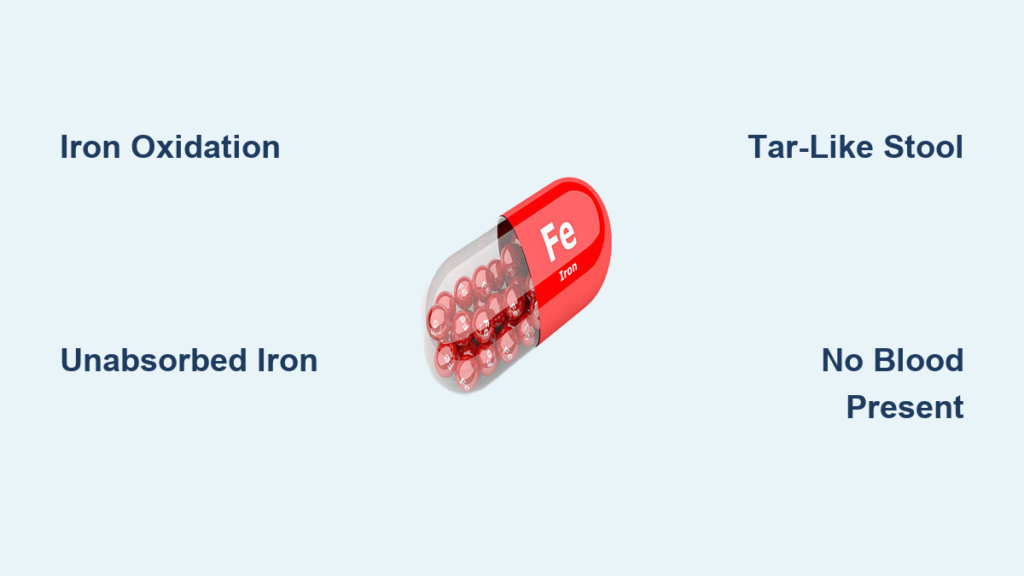
If you’ve recently started taking iron supplements and noticed your stool turning dark or black, you’re experiencing one of the most common side effects of iron supplementation. This startling visual change catches many people off guard, prompting urgent internet searches and sometimes unnecessary panic about gastrointestinal bleeding. The phenomenon is so prevalent that healthcare providers routinely warn patients to expect black or dark-colored bowel movements before beginning iron therapy. Understanding exactly why iron supplements make poop black—and how to distinguish harmless discoloration from dangerous symptoms—can help you continue your treatment with confidence while staying alert to genuine warning signs.
Black stool typically appears within a few days of starting iron supplements and persists throughout your treatment period. This color change occurs because your body doesn’t absorb all the iron you consume, and the unabsorbed portion undergoes chemical transformations as it travels through your digestive tract. While this side effect is expected and usually benign, knowing when black stool represents a serious medical concern is essential for your safety. This guide walks you through the science behind the discoloration, helps you differentiate normal changes from problematic symptoms, and offers practical strategies for managing gastrointestinal side effects.
The Chemical Reaction That Turns Your Stool Black After Taking Iron

The dark discoloration in your stool results from a specific chemical process involving unabsorbed iron as it moves through your digestive system. When you swallow iron supplements—whether ferrous fumarate, ferrous sulfate, or ferrous gluconate—the iron enters your stomach where gastric acid begins breaking down the compound. Your small intestine absorbs only a portion of this iron into your bloodstream, while the remaining unabsorbed iron continues its journey through your digestive tract.
How Iron Oxidation Creates Black Stool
As unabsorbed iron travels through your intestines, it undergoes oxidation—a chemical reaction where iron combines with oxygen. This oxidation process transforms the iron into a different chemical compound that appears black or very dark brown. The iron that escapes absorption in your small intestine moves to your large intestine, where gut bacteria further process these iron compounds. This combination of oxidation and bacterial action creates the dark-colored substance that mixes with waste material, producing stool that looks black, dark green, or tar-like.
The intensity of discoloration directly correlates with how much unabsorbed iron passes through your system—higher doses or less absorbable forms of iron typically produce darker stool. This explains why some people notice only slight darkening while others experience strikingly black bowel movements.
Why Not Everyone Experiences the Same Discoloration
Several factors influence how dramatically your stool changes color when taking iron supplements. Your specific iron formulation, dosage amount, individual metabolism, and gastrointestinal transit time all play roles in determining the degree of discoloration you’ll experience. Liquid iron preparations tend to produce more noticeable staining effects not only in stool but also on teeth and tongue if proper oral hygiene isn’t maintained after administration.
How to Tell Harmless Iron-Induced Black Stool From Dangerous Bleeding
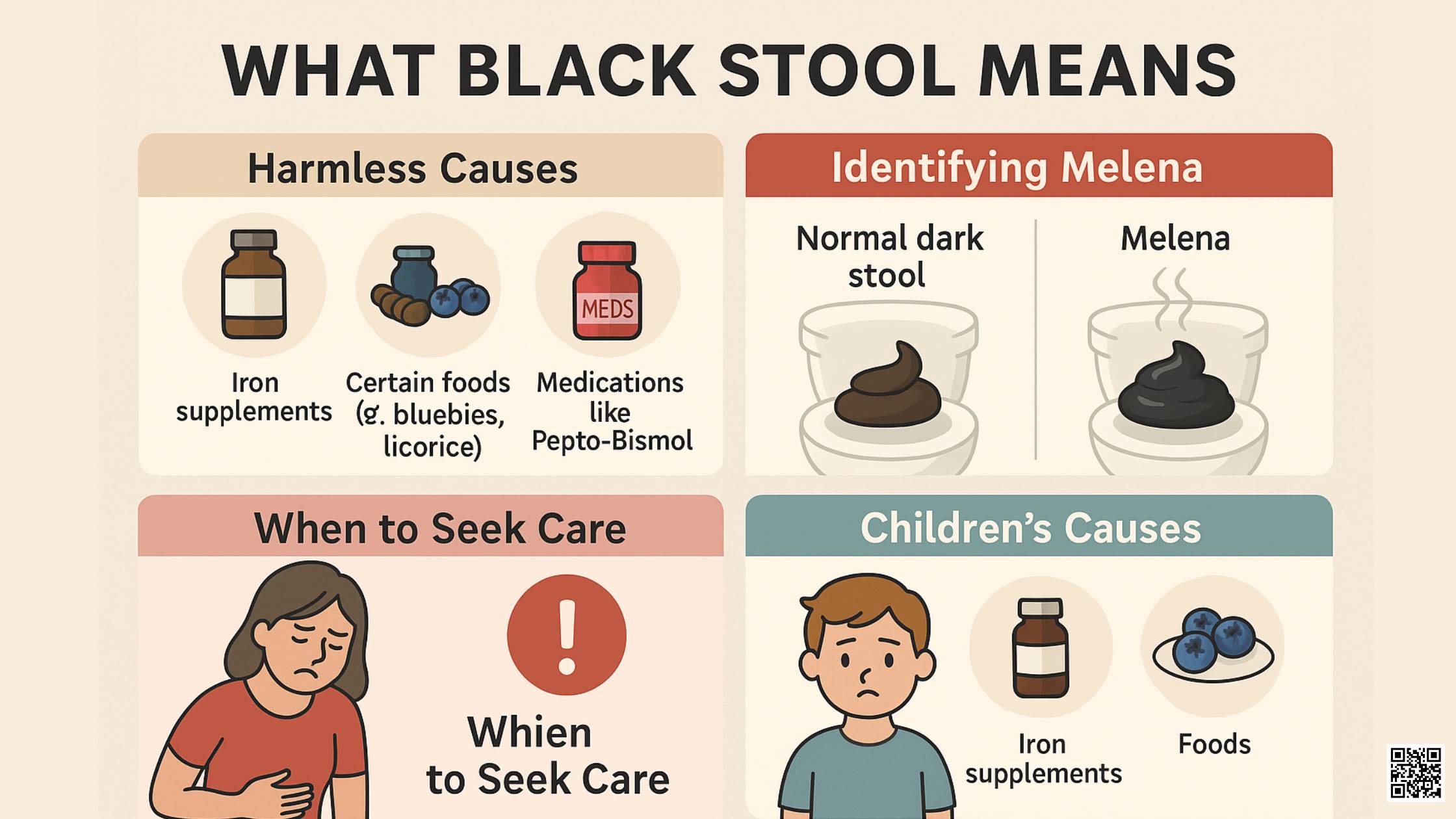
Learning to distinguish between expected iron-related discoloration and signs of potential gastrointestinal bleeding is crucial for anyone taking iron supplements. This knowledge can prevent both unnecessary alarm and dangerous delays in seeking medical care when genuine problems arise.
Characteristics of Safe Iron-Related Black Stool
Normal iron-induced black stool has specific, consistent features that differentiate it from concerning alternatives. This harmless discoloration typically appears uniformly dark throughout the bowel movement, maintains regular consistency, and occurs without accompanying pain, discomfort, or other alarming symptoms. You’ll likely notice the change shortly after starting supplementation, and the discoloration persists throughout your treatment while remaining consistent in appearance.
Medical guidance confirms this darker-than-usual stool is a common side effect that’s usually nothing to worry about. When black stool occurs in isolation—without blood, pain, or other symptoms—the discoloration almost certainly reflects harmless iron processing rather than any serious condition.
Warning Signs That Require Immediate Medical Attention
Certain characteristics of black stool demand urgent evaluation because they may indicate gastrointestinal bleeding rather than simple iron-related discoloration. Black stool that has a tar-like consistency (melena) suggests partially digested blood from your upper gastrointestinal tract. This differs from uniform iron-related darkening in several important ways:
- It typically has a distinctive, unpleasant odor
- It appears sticky or tarry in texture
- It often accompanies symptoms like abdominal pain or general illness
You should seek immediate medical care if your stool is black and tar-like, red, or contains visible blood—particularly if you feel unwell in any other way. Red-colored stool or visible blood streaks require prompt evaluation, as iron supplements do not typically cause these findings.
Common Gastrointestinal Side Effects Beyond Black Stool
Iron supplementation frequently produces multiple gastrointestinal effects beyond stool discoloration. Understanding these associated symptoms helps you distinguish between normal adaptation and developments requiring medical intervention.
Nausea and Stomach Discomfort Management
Feeling nauseous represents one of the most common adverse effects of iron supplementation. You can often manage this by taking iron with food or shortly after a meal, though this may slightly reduce iron absorption. Stick to simple meals and avoid rich or spicy foods while adjusting to iron supplementation.
If you experience vomiting, maintain hydration through small, frequent sips of water to prevent dehydration. Signs of dehydration include reduced urination and dark, strong-smelling urine. Taking iron supplements with food and eating smaller, more frequent meals typically helps reduce stomach discomfort and heartburn.
Constipation Solutions for Iron Supplement Users
Iron’s constipating effect relates to its tendency to slow intestinal motility and its binding properties in your digestive tract. To combat iron-induced constipation:
- Increase dietary fiber through fresh fruits, vegetables, and whole grains
- Ensure adequate fluid intake through regular water consumption
- Incorporate daily physical activity like walking to support bowel function
Diarrhea occurs less frequently than constipation but remains a recognized side effect. If you experience diarrhea while taking iron supplements, focus on maintaining hydration while avoiding anti-diarrheal medications without first consulting your healthcare provider.
Proven Methods to Reduce Iron Supplement Side Effects
Successfully managing iron supplementation side effects requires strategic timing, dietary modifications, and supportive measures designed to maximize absorption while minimizing discomfort.
Optimal Timing for Taking Iron Supplements
Taking iron with or just after meals can significantly reduce gastrointestinal side effects, though this may slightly decrease absorption. For those experiencing significant nausea or stomach discomfort, the benefits of taking iron with food often outweigh the modest reduction in absorption.
However, separate iron supplements from dairy products, tea, and coffee by at least two hours, as these substantially reduce iron absorption. If using liquid iron, rinse your mouth with water after taking the supplement to minimize temporary black staining of teeth and tongue. Using a straw can also reduce tooth contact with the liquid iron.
Hydration and Fiber Strategies That Work
Maintain adequate hydration throughout the day to support healthy bowel function and prevent constipation. Combine regular water intake with increased consumption of fiber-rich foods to promote regular bowel movements. Even moderate daily physical activity supports gastrointestinal motility and can help counteract iron’s constipating effects.
Emergency Warning Signs That Require Immediate Medical Attention
While black stool from iron supplements is generally harmless, specific symptom combinations warrant urgent evaluation.
Critical Symptom Combinations to Watch For
Seek immediate medical attention if black stool occurs alongside:
- Feeling generally unwell or fatigued
- Experiencing abdominal pain or cramping
- Noticing a tar-like consistency to the stool
- Observing red blood in or on the stool
- Feeling dizzy or faint
The combination of black tar-like stool with feeling unwell may indicate upper gastrointestinal bleeding, which requires prompt evaluation. Serious allergic reactions to iron supplements, though rare, require emergency intervention if you experience sudden swelling of lips, mouth, throat, or tongue, along with raised, itchy rashes.
How Long Black Stool Lasts After Starting or Stopping Iron
The black stool associated with iron supplementation typically begins within a few days of starting treatment and continues throughout your supplementation period. Your stool should gradually return to its normal color once supplementation stops and the iron clears from your system.
Most people notice a gradual lightening of stool color within a few days of discontinuing iron, with complete resolution typically occurring within one to two weeks. This timeline varies based on your dosage, treatment duration, and individual gastrointestinal transit time. The gradual transition back to normal stool color is expected and doesn’t indicate ongoing problems.
Key Takeaways for Safe and Comfortable Iron Supplementation
Understanding why iron supplements make poop black empowers you to continue treatment confidently while recognizing genuine warning signs. The discoloration occurs through normal iron oxidation and bacterial action in your digestive tract, serving as an indicator that your body is processing the supplement as expected.
Most people can successfully tolerate iron supplementation by working with healthcare providers to adjust dosing strategies, switch formulations if necessary, and implement supportive management techniques. Don’t let the startling but harmless appearance of black stool deter you from completing your prescribed iron therapy—the benefits of addressing iron deficiency typically far outweigh the inconvenience of temporary discoloration.
If you ever feel uncertain about whether your symptoms represent normal side effects or something more concerning, contact your healthcare provider for guidance. This simple step provides peace of mind and ensures your safety while addressing your iron deficiency effectively.