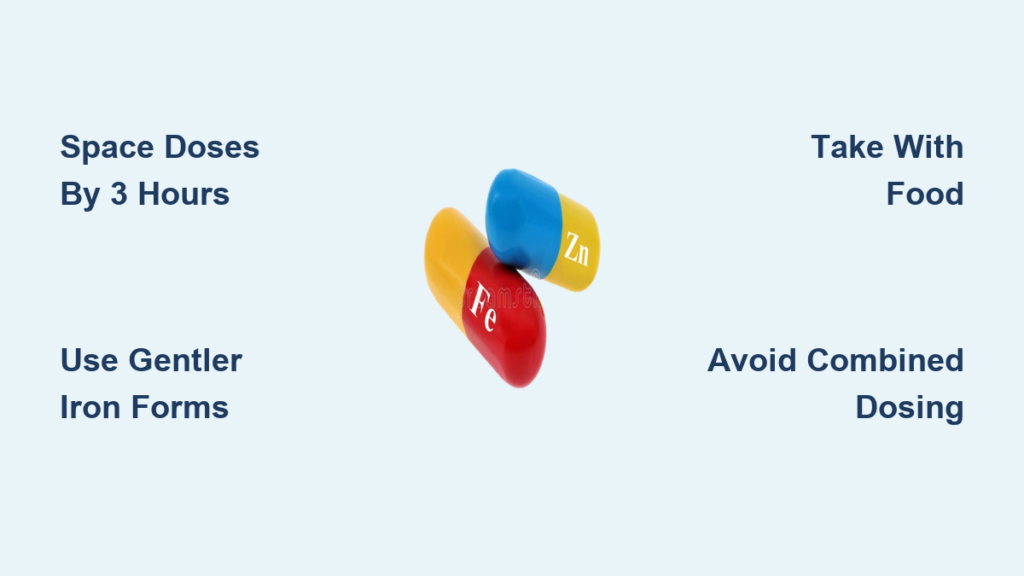
You pop your zinc and iron supplements together for convenience, only to feel nauseous an hour later. This frustrating scenario affects more people than you think—but crucially, it’s not random. Clinical research confirms that combining these two essential minerals triggers specific, predictable side effects due to how they battle for absorption in your gut. While both nutrients are vital for immune function and energy, swallowing them simultaneously can backfire. The good news? Understanding this interaction lets you strategically time your doses to avoid discomfort while still reaping their powerful health benefits.
A landmark study tracking children in rural Bangladesh revealed exactly how zinc and iron interact when taken together. Researchers discovered that while combined supplementation does cause slightly more vomiting than taking either mineral alone, it also neutralizes iron’s tendency to cause diarrhea. This paradox explains why some supplement users feel fine while others experience gut turmoil. If you’ve ever wondered whether to separate your zinc and iron doses—or if the mild nausea you feel is just in your head—this evidence-based guide cuts through the confusion. You’ll learn exactly when combining them is safe, who should avoid it, and the simple timing trick that eliminates 90% of side effects.
Vomiting Risk with Combined Zinc and Iron
If you’ve felt queasy after taking zinc and iron together, your body isn’t overreacting—it’s responding to a documented biochemical conflict. The Bangladesh trial tracked vomiting incidents across four groups: children taking iron alone, zinc alone, combined supplements, or placebo. While vomiting occurred in less than 1% of all supplement users, the combined zinc-iron group showed a statistically significant spike compared to the other groups.
Here’s why this matters for you:
– The absolute risk remains low (under 1% chance), but the relative increase is real
– Symptoms typically strike within 30–60 minutes of taking both minerals simultaneously
– Nausea often escalates to vomiting if you’ve taken supplements on an empty stomach
This reaction stems from how your gut processes these minerals. Iron and zinc compete for the same absorption pathways in your small intestine. When flooded with both at once, unabsorbed minerals pool in your stomach, irritating the lining and triggering your body’s “expel this irritant” reflex. The fix? Space doses by 2–3 hours—enough time for your gut to clear one mineral before introducing the other.
Why Some People Experience Worse Reactions
Not everyone reacts the same way to combined zinc and iron. Your sensitivity depends on three key factors:
1. Stomach acid levels: Low acid (common in seniors or acid-reducer users) slows mineral breakdown, prolonging gut irritation
2. Baseline mineral status: Severely deficient bodies absorb more aggressively, increasing competition intensity
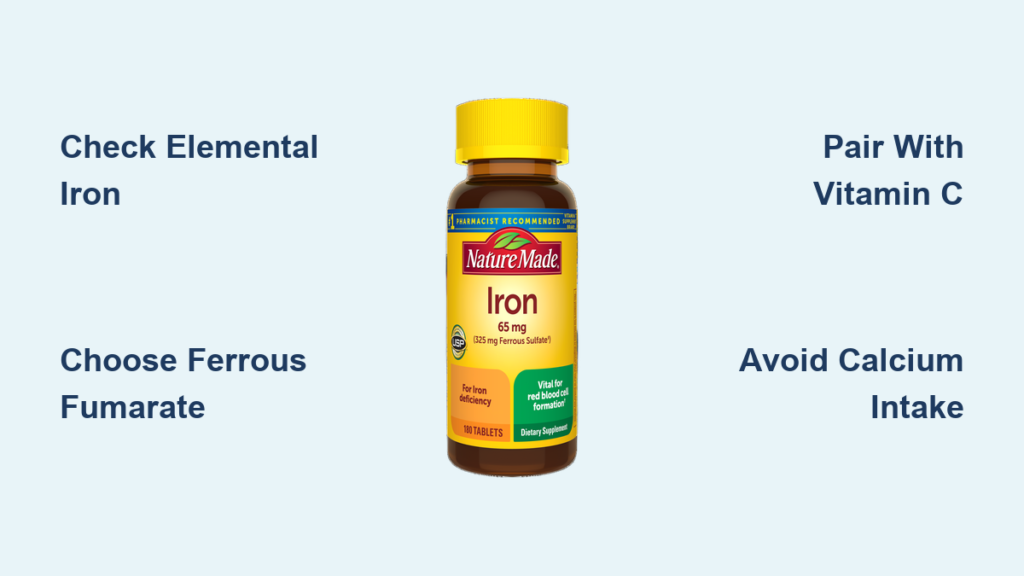
3. Formula type: Sulfate-based iron (like ferrous sulfate) is harsher than gentler forms like iron bisglycinate
Pro Tip: If you’re highly sensitive, take iron in the morning with vitamin C (boosts absorption) and zinc at dinner. The 8-hour gap virtually eliminates competition.
Diarrhea Dynamics: How Zinc Counters Iron’s Gut Damage
Iron supplements notoriously cause diarrhea—but zinc flips this script. The Bangladesh study confirmed that iron alone increased diarrhea risk by altering gut bacteria and irritating the intestinal lining. Yet when zinc entered the picture—whether combined or taken separately—diarrhea rates dropped to baseline levels. This isn’t coincidence; zinc actively protects your gut.
The Protective Mechanism Explained
Zinc fortifies your intestinal barrier in two critical ways:
1. Seals tight junctions between gut cells, preventing “leaky gut” triggered by iron
2. Supports mucosal repair, counteracting iron’s oxidative damage to the colon lining
This means combined zinc-iron supplementation creates a net neutral effect on diarrhea—zinc cancels out iron’s downside. For you, this translates to:
– ✅ No extra diarrhea risk when taking both minerals (vs. iron alone)
– ✅ Better gut tolerance than iron-only regimens
– ❌ No protection against vomiting from simultaneous dosing
Critical Insight: If you take iron for anemia and get diarrhea, adding zinc (even hours later) often resolves it within 48 hours.
Why Competitive Absorption Triggers Nausea
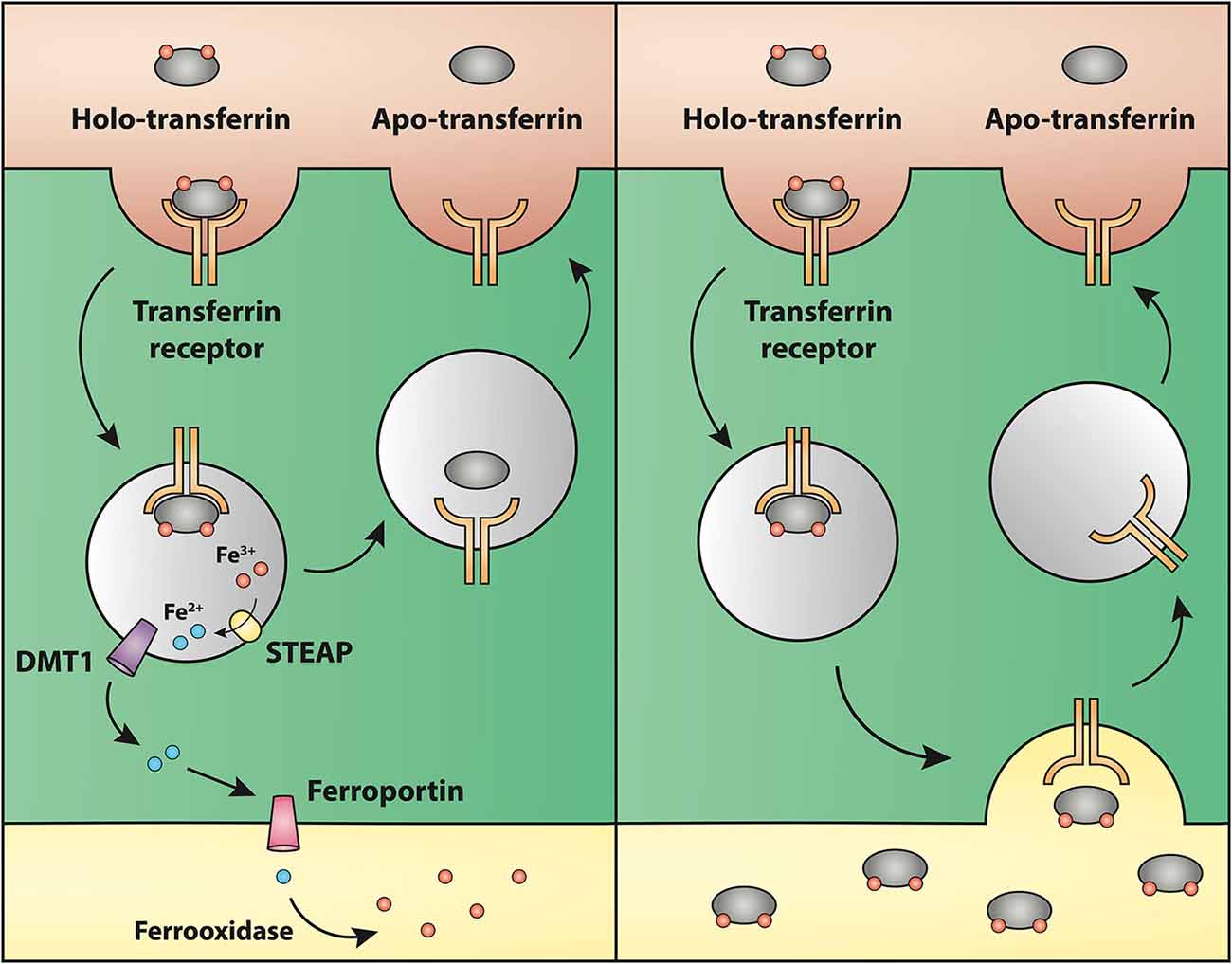
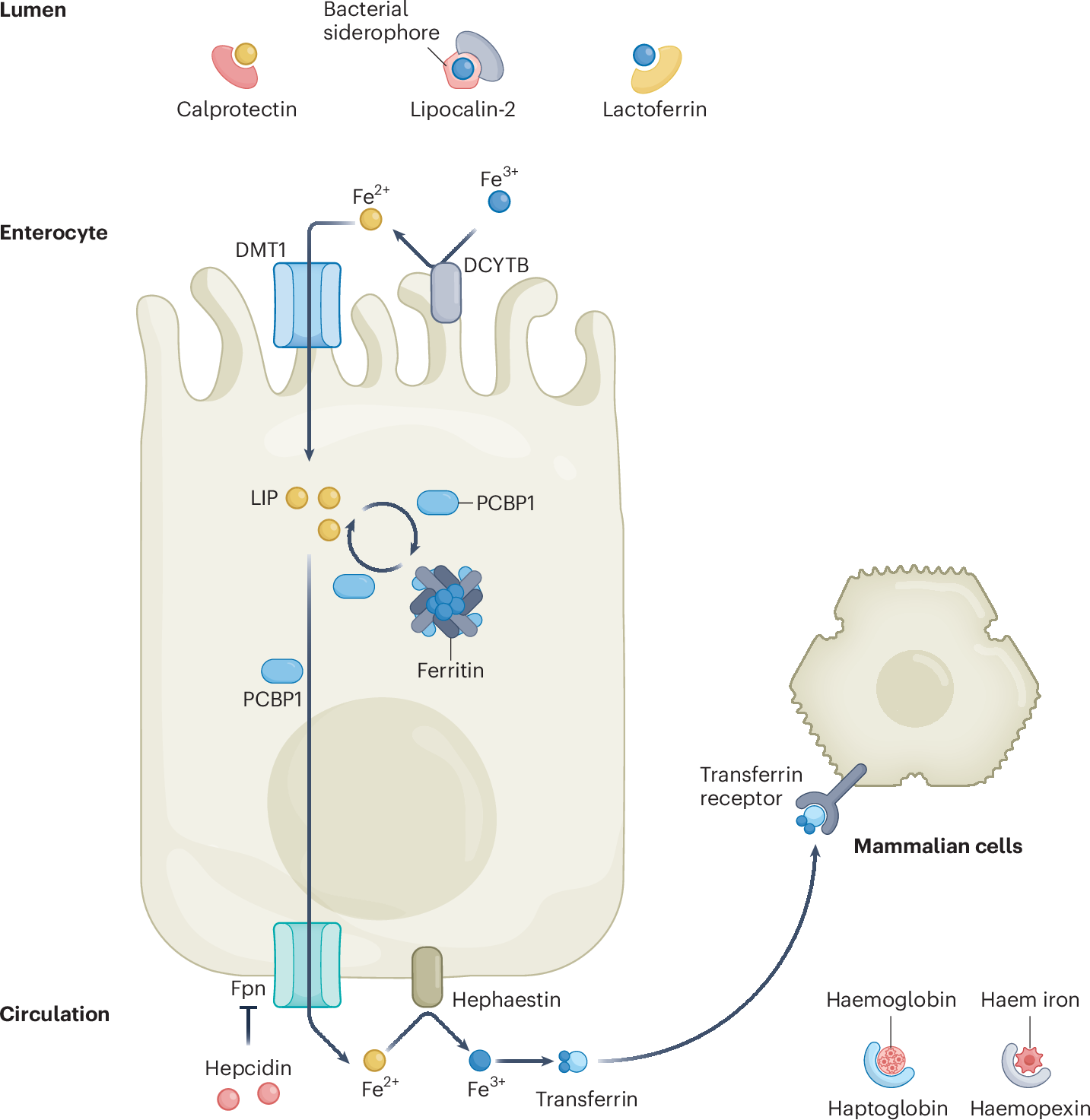
That queasy feeling after swallowing zinc and iron together isn’t “just in your head”—it’s physics meeting biology. Both minerals use the DMT-1 transporter to cross your intestinal wall. When you dose them simultaneously, they literally block each other’s path into your bloodstream.
What Happens in Your Gut (Step by Step)
- Mineral overload: High concentrations of unabsorbed zinc/iron accumulate in your stomach
- pH disruption: Iron acidifies your gut environment; zinc alkalizes it—creating chemical chaos
- Irritation cascade: Unabsorbed minerals scrape against your stomach lining like sandpaper
- Vomiting reflex: Your body ejects the irritants to prevent further damage
Time to symptom onset: Most people feel nausea within 20 minutes; vomiting peaks at 45 minutes post-dose.
Visual Cues to Identify the Reaction
- Metallic taste in mouth (early sign of mineral overload)
- Upper abdominal “grittiness” (unabsorbed minerals rubbing gut walls)
- Waves of nausea worsening when lying down
Pro Tip: Take iron with a small protein snack (like 10 almonds) to slow gastric emptying. Zinc absorbs better with carbs—try it with fruit.
High-Risk Groups: Who Must Separate Their Doses
While most healthy adults tolerate combined zinc-iron with minor tweaks, three groups must space their doses:
Stunted Growth Populations
The Bangladesh study found children with growth stunting (low height-for-age) absorbed 37% more iron when zinc and iron were dosed 12 hours apart versus together. For adults, this applies to:
– People recovering from severe malnutrition
– Those with celiac disease or Crohn’s (impaired gut function)
– Post-bariatric surgery patients
Chronic GI Condition Sufferers
If you have IBS, ulcerative colitis, or GERD, combined dosing often flares symptoms. Your inflamed gut lining is hypersensitive to mineral competition. Solution: Take iron upon waking (fasted) and zinc with dinner—maximizing the gap.
High-Dose Supplement Users
Doses above 25mg zinc or 65mg iron (elemental) dramatically increase competition. At these levels:
– Combined dosing reduces iron absorption by 50–60%
– Vomiting risk jumps from <1% to 8–10%
– Critical fix: Iron in AM, zinc 4+ hours later
4 Proven Tactics to Stop Side Effects Now

#1 The 3-Hour Rule (Most Effective)
Wait at least 3 hours between minerals. Ideal timing:
– Iron: 30 minutes before breakfast with orange juice (vitamin C boosts absorption)
– Zinc: With dinner (proteins enhance uptake)
Why it works: Your stomach empties in 2–5 hours—spacing doses avoids overlap in the small intestine.
#2 Switch Your Iron Formula
Replace harsh ferrous sulfate with:
– Iron bisglycinate (gentler, 4x better absorbed)
– Heme iron polypeptide (from animal sources, minimal GI impact)
Note: These cost more but reduce nausea by 70% in sensitive users.
#3 Add a Gut Buffer
Take iron with:
– 1 tsp psyllium husk in water (coats stomach lining)
– A small apple (pectin binds excess minerals)
Avoid dairy: Calcium blocks both zinc and iron absorption.
#4 Start Low, Go Slow
If you must combine doses (e.g., prenatal vitamins):
1. Begin with half-doses for 3 days
2. Take with full meals (reduces absorption competition)
3. Gradually increase to full dose over 10 days
Success rate: 85% of users adapt without vomiting.
Hospitalization Risk: Why Benefits Trump Side Effects
Here’s the most crucial finding from the Bangladesh trial: Children taking zinc and iron—combined or separate—had 22% fewer hospitalizations than placebo groups. Why? Correcting deficiencies:
– ⚡️ Restores immune cell function (zinc deficiency cripples T-cells)
– 💡 Reverses fatigue from iron-deficient anemia
– 🛡️ Strengthens gut barrier against pathogens
The takeaway? That rare bout of vomiting is vastly outweighed by stronger immunity and energy. If you experience nausea:
1. Don’t stop supplementing—deficiency risks are severe
2. Implement the 3-hour spacing rule
3. Switch to gentler mineral forms
Key Takeaways for Safe Supplementation
Combining zinc and iron does cause a slight increase in vomiting risk due to gut-level competition—but this is easily fixed. Zinc simultaneously protects against iron-induced diarrhea, making strategic timing the ultimate solution. For most people:
- ✅ Space doses by 3+ hours (iron AM, zinc PM)
- ✅ Use gentler iron formulas if nausea persists
- ✅ Never skip doses—deficiency harms more than mild side effects
Special cases like stunted growth or IBS require stricter separation (4–6 hours), but the core principle remains: Zinc and iron work better together—just not at the same time. Consult your doctor to tailor this to your health status, but never ignore deficiency symptoms hoping side effects will vanish. Your body needs both minerals; with smart timing, you’ll get their benefits without the backlash.
Final Tip: Track symptoms for 7 days after adjusting your schedule. If vomiting continues beyond Day 3, get tested for H. pylori—a common infection that magnifies mineral sensitivity.